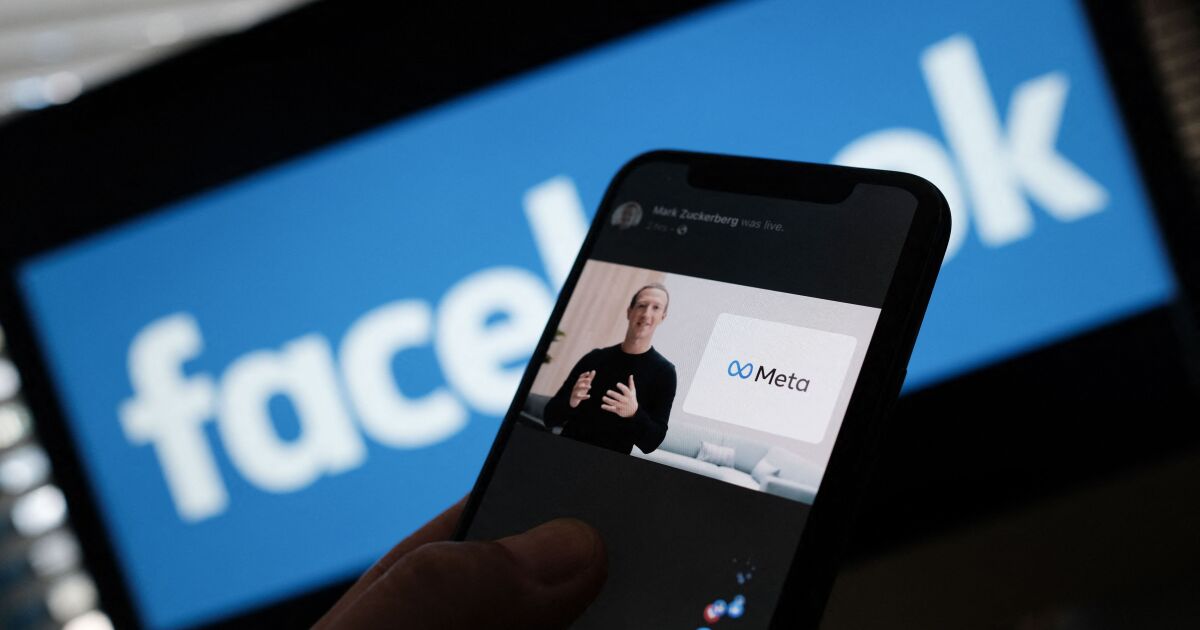
Meta Faces Legal Battle Over Allegations of Designing Social Media Platforms to Hook Children
Meta, the parent company of Facebook and Instagram, is set to appear in federal court to defend against claims made by a group of state attorneys general. The allegations include accusations that Meta intentionally designed its social media platforms to engage children, misled the public about the risks involved, and unlawfully collected data on minors.
The lawsuit, filed by California, Colorado, Kentucky, and New Jersey, seeks up to $1.4 trillion in penalties and calls for product changes under consumer protection laws. The states claim that Meta violated the Children’s Online Privacy Protection Act by gathering data on children without proper consent.
New Jersey Attorney General Jennifer Davenport stated in an interview with NPR, “We allege in our complaint, and what we’re prepared to prove at trial, is that they’re deceiving consumers about Facebook and Instagram’s dangers. They’re putting the profits over the health of a generation of young people.”
Design Features Under Scrutiny
Central to the lawsuit is the argument that Meta intentionally implemented features like the “like” button, infinite-scroll function, and recommendation algorithms to keep young users engaged on their platforms. The suit alleges that these design choices aimed to encourage compulsive use, ultimately benefiting Meta financially through increased advertising revenue.
Moreover, the states claim that Meta prioritized user engagement over safety, leading to disruptions in education and sleep for young users. The lawsuit also asserts that Meta was aware of children under 13 using Instagram and Facebook, breaching its own policies, and collecting personal information without parental consent.
In response to the allegations, a spokesperson for Meta dismissed the claims as unsubstantiated and emphasized the company’s commitment to teen safety. The spokesperson criticized the states’ demands as disproportionate and lacking evidence of harm caused to residents.
Legal Precedents and Public Health Concerns
This case is part of a broader wave of lawsuits targeting social media companies for their platform designs and potential harms to users, particularly minors. Legal experts draw parallels to past litigations against tobacco and opioid manufacturers, suggesting that these lawsuits could reshape public discourse on the risks of social media.
Recent court rulings against Meta in state cases over similar issues indicate a growing trend of holding tech companies accountable for the impacts of their products. The federal trial is expected to delve into the discrepancies between Meta’s public statements and internal knowledge regarding the risks associated with their platforms, especially concerning minors.
As the trial unfolds, experts anticipate a detailed examination of Meta’s practices and the potential implications for the regulation of social media platforms in safeguarding young users.
Meta Faces Lawsuit Alleging Deceptive Practices Regarding Teens’ Social Media Use
Meta, the parent company of popular social media platforms like Facebook and Instagram, is currently embroiled in a high-stakes lawsuit concerning its alleged deceptive practices regarding teenagers’ social media use. The lawsuit, which is being heard in the U.S. District Court for the Northern District of California, accuses Meta of making over 100 potentially deceptive statements about its platforms.
One key argument in the case is that Meta’s time-restriction tools, which were marketed as a way to help users manage their time on social media, were merely a “public relations stunt.” According to the lawsuit, Meta employees were aware that spending more time on social media could be harmful to teenagers, contradicting the company’s public messaging.
Legal experts believe that the outcome of this lawsuit could have far-reaching implications beyond just financial penalties for Meta. Nora Freeman Engstrom, a law professor at Stanford University, highlighted that the litigation could significantly impact public knowledge about Meta’s practices, potentially leading to changes in public opinion, regulatory actions, or new legislation.
Despite the potential consequences, Meta, which boasts an average of 3.6 billion daily platform users, is likely to appeal any unfavorable ruling. Benjamin Zipursky, a law professor at Fordham University, pointed out that the sheer number of plaintiffs and the substantial financial claims make it challenging for Meta to simply settle the case.
The trial is presided over by Judge Yvonne Gonzalez Rogers and is expected to last approximately six weeks. Given the high-profile nature of the case and the complex legal issues involved, the outcome could have significant implications for Meta and the broader tech industry’s regulation.
As the legal battle unfolds, the public will be closely watching to see how Meta responds to the allegations and what implications the case may have for the future of social media regulation.