Michigan Audit Reveals Issues in Responding to Complaints at Psychiatric Hospitals
A recent audit of the Michigan Department of Health and Human Services’ Office of Recipient Rights has highlighted delays in responding to complaints of alleged abuse, neglect, and injuries at psychiatric hospitals. The audit, which can be found here, concluded that the efforts of the ORR were insufficient in protecting and promoting the rights of individuals receiving mental health services.
The ORR, established in 1995, plays a critical role in safeguarding and advocating for the rights of those receiving mental health services in Michigan. The office’s primary objective is to ensure that recipients can exercise their rights effectively. However, the recent audit revealed several shortcomings in the ORR’s operations.
Findings from the Audit
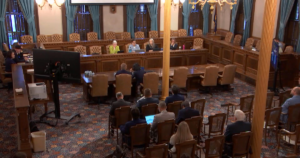
The Office of Auditor General reported eight significant findings regarding deficiencies in the ORR’s functions. Out of these, the office agreed with five, partially agreed with two, and disagreed with one. The audit sampled 240 complaints out of over 5,000 filed between October 2021 and July 2024.
One concerning discovery was that almost a third of complaints alleging abuse, neglect, or injuries were not addressed promptly. On average, it took six days to initiate a response to these complaints. Additionally, the audit found that video surveillance from investigated incidents was often missing, and there were delays in providing investigation status reports and interventions.
Furthermore, the ORR lacked a structured process to monitor incident reports from state psychiatric hospitals, indicating a systemic issue that needs addressing.
Calls for Reform
Advocates like Simon Zagata, the Director of Community and Institutional Rights at Disability Rights Michigan, emphasized the need for reform within the ORR. Zagata highlighted that similar complaints were raised in a report by Disability Rights Michigan back in 2007, indicating longstanding issues within the system that require urgent attention.
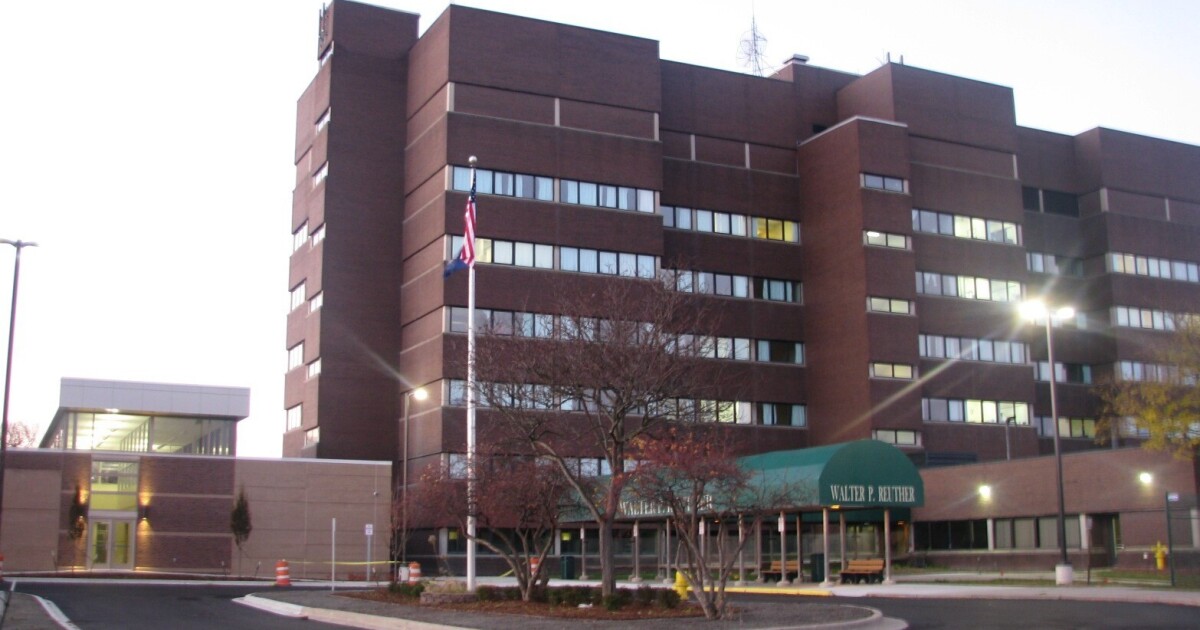
Sen. Michael Webber requested the audit following a $13 million settlement paid by MDHHS in December 2024 to employees and patients affected by a poorly executed active shooter drill at the former Hawthorn Center. The audit’s findings further underscore the need for improved oversight and accountability within Michigan’s psychiatric hospitals.
MDHHS Response and Actions
In response to the audit, MDHHS acknowledged the need for process improvements and has already taken steps to enhance the timeliness of reports. Additional staff have been hired, and mandatory training for all personnel has been updated to address deficiencies highlighted in the audit.
While some findings of the OAG were disputed by MDHHS as being outside their scope of knowledge, the department remains committed to ensuring that the ORR operates in compliance with the requirements of the Mental Health Code and established standards.
As calls for reform grow louder, the spotlight remains on the ORR and Michigan’s mental health services, underscoring the importance of robust oversight and protection of individuals’ rights in psychiatric care settings.