Michigan House Judiciary Committee Considers Limiting Attorney General’s Powers
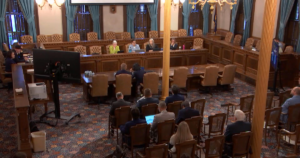
The Michigan House Judiciary Committee held a hearing on Wednesday to discuss proposed bills that aim to restrict the state attorney general’s authority. One of the bills would require approval from the governor or Legislature before the attorney general could intervene in existing cases, contrasting the current law that grants the office discretion to act in the state’s interests.
During the committee meeting, Representative Jay DeBoyer highlighted a case where the attorney general prosecuted COVID-19 health order violations when local prosecutors did not. He argued that the bill was necessary to ensure oversight and prevent the attorney general from acting autonomously.
DeBoyer emphasized the importance of accountability and stated, “We don’t want to create anybody that’s a king, and the attorney general certainly should not have complete autonomy with regard to these things.” He suggested that requiring approval from other branches of government would foster a more collaborative relationship.
However, Democratic members of the committee expressed concerns about the proposed legislation. Representative Kelly Breen cautioned that the bills could impede the attorney general’s ability to fulfill its duties effectively. She pointed out the need for timely responses in legal matters and criticized the potential limitations imposed by the bills.
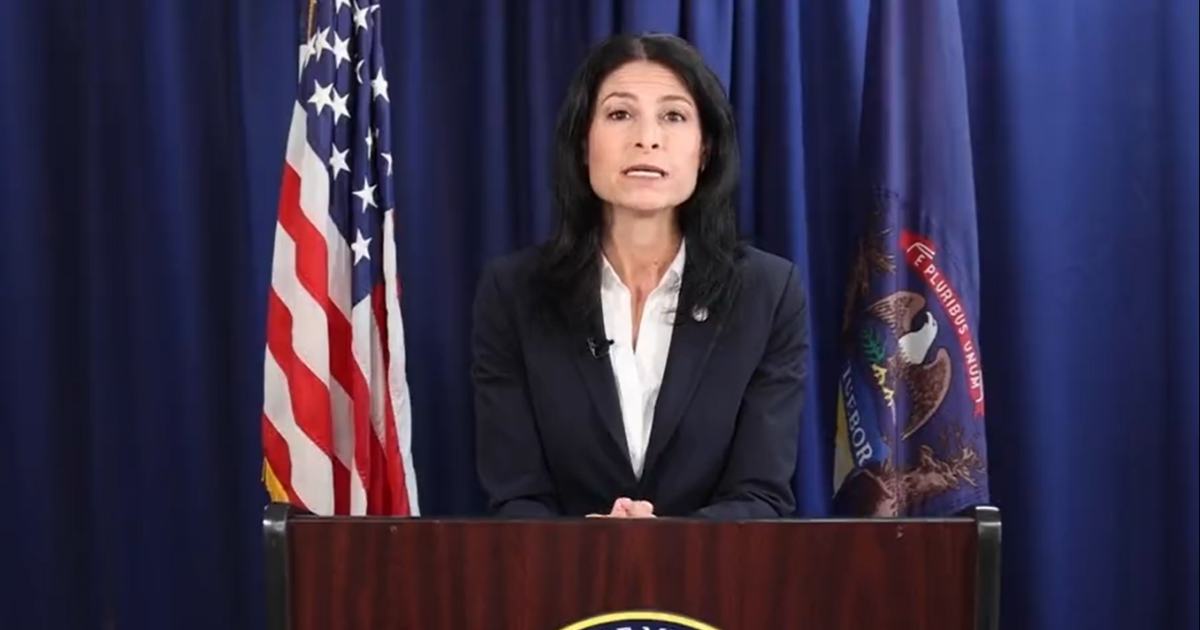
The bill package specifies that the attorney general’s intervention power would only apply to cases in state courts and tribunals. Michigan Attorney General Dana Nessel, a Democrat, has previously intervened in federal cases, particularly those involving the Trump administration, in collaboration with other Democratic state attorneys general.
While the sponsors of the bills assured that they would not prevent the attorney general’s office from participating in multi-state lawsuits, Democrats remained skeptical about the intended restrictions. Another aspect of the package proposes revoking the attorney general’s authority to file cases in Lansing area courts, alleging potential bias in selecting favorable judges or juries.
Representative DeBoyer accused state attorneys general of seeking advantageous venues for cases, emphasizing the importance of fair and impartial trials. On the other hand, Representative Breen defended the practice of conducting state-related cases in Lansing, highlighting the attorney general’s responsibility to represent the people of Michigan.
The bills are currently under review in the committee and face uncertainty in passing the Democratic-controlled state Senate if they advance from the House of Representatives.