Michigan Secretary of State Urges Lawmakers to Fund School-Based Driver’s Education Programs
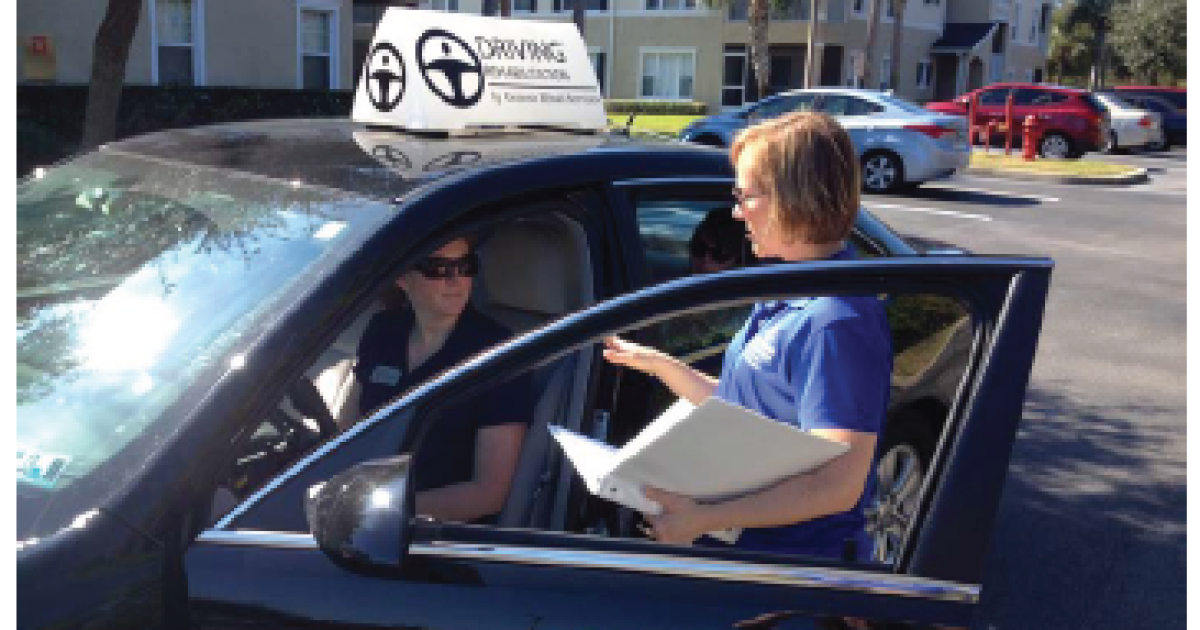
Michigan’s secretary of state, Jocelyn Benson, is advocating for state lawmakers to allocate funds for school-based driver’s education programs. The state previously had a fund that supported districts in offering driver’s education, which was discontinued in 2004. Consequently, only a handful of districts still provide driver’s training, leading to a decline in student participation.
During a recent press conference in Dearborn, Benson expressed concerns about the privatization of driver’s education, stating that it did not result in improved service quality or affordability. Families are now required to cover the costs of driver’s training independently, a financial burden for many.
In an effort to address this issue, lawmakers previously allocated $500,000 for a pilot program benefiting schools in Dearborn and Wayne-Westland, allowing them to offer driver’s training to eligible students. According to an annual report, Wayne-Westland Community schools enrolled 106 students out of a possible 400, while Dearborn enrolled 93 students.
If the funding is not renewed or expanded statewide, it is scheduled to conclude by the end of September. Benson emphasized the importance of extending the pilot program statewide to ensure that families can affordably provide essential driver’s education to their youth.
Dearborn Mayor Abdullah Hammoud echoed Benson’s sentiments, emphasizing that safe driving is a shared goal across all political affiliations. The officials are also advocating for legislation to streamline the process of becoming a driver’s education instructor.
While there have been concerns about schools taking on additional responsibilities, Don Wotruba from the Michigan Association of School Boards acknowledged the potential benefits of schools offering driver’s education. Collaborations with private partners, as seen in Dearborn and Wayne-Westland, could serve as models for broader implementation.
Wotruba highlighted the importance of clear planning and potential scholarships to address cost concerns for parents. He emphasized the need for a comprehensive approach to reinstate driver’s education programs within schools effectively.
Original News Article:
Title: “Study Finds Link Between Increased Screen Time and Decreased Mental Health in Teens”
A recent study conducted by researchers at a leading university has found a concerning link between the amount of time teenagers spend on screens and their mental health. The study surveyed over 1,000 teenagers and found that those who spent more than four hours a day on screens were significantly more likely to report feelings of depression and anxiety compared to those who spent less time on screens.
The researchers emphasized that while screen time itself is not the sole cause of mental health issues in teenagers, there is a clear correlation between increased screen time and negative mental health outcomes. They suggested that parents and caregivers should be mindful of the amount of time their teenagers spend on screens and encourage other activities that promote mental well-being.
One of the key findings of the study was that social media use, in particular, was associated with higher levels of anxiety and depression in teenagers. The constant comparison to others on social media platforms and the pressure to present a perfect image online were cited as contributing factors to this negative impact on mental health.
Overall, the study highlights the importance of monitoring and limiting screen time for teenagers to support their mental health and well-being.
Revised News Article:
Title: “New Research Points to Connection Between Teen Screen Time and Mental Health Concerns”
In a recent study conducted by researchers at a prominent university, a concerning relationship has been uncovered between teenagers’ screen time and their mental well-being. The study, which surveyed more than 1,000 teenagers, revealed that those who spent over four hours daily on screens were more likely to experience feelings of depression and anxiety compared to their peers with lower screen time.
While the researchers caution against attributing mental health issues solely to screen time, they stress the evident correlation between increased screen time and negative mental health outcomes in teenagers. The study suggests that parents and caregivers should pay attention to their teenagers’ screen time habits and encourage diverse activities that support mental health.
Notably, the study highlighted social media use as a significant factor in heightened levels of anxiety and depression among teenagers. The pressure to maintain a flawless online persona and the constant comparisons on social platforms were identified as contributing elements to the negative impact on mental health.
This research underscores the importance of monitoring and regulating teenagers’ screen time to safeguard their mental well-being and overall health.