Michigan Senate Advances Bills to Increase Budget Earmark Transparency
In a move to enhance transparency in the state’s budgeting process, Michigan lawmakers are pushing forward a package of bills that would require public disclosure of special spending items sought by legislators. The bills, which recently cleared a Senate committee, aim to shed light on earmarks and ensure accountability in budget allocations.
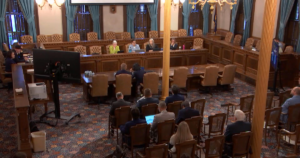
The proposed legislation mandates that lawmakers publicly list any earmark requests they make and hold hearings on these items before they are approved. According to Senate Appropriations Committee Chair Sarah Anthony, the initiative is a significant step towards modernizing the budget process and bolstering public trust.
While the bills have garnered support for their transparency goals, some concerns have been raised during the committee hearing. One point of contention is the absence of a strict deadline for submitting earmark requests, as well as a provision banning for-profit companies from receiving earmarks.
Senator John Damoose expressed reservations about excluding for-profit entities from earmark eligibility, arguing that such companies also contribute positively to the community. However, the bill sponsors defended the decision, citing the transparency requirements already in place for non-profit organizations as a starting point.
Despite the overall intent to increase transparency, Senator Jeff Irwin voiced apprehensions about potential drawbacks of the legislation. He cautioned that the focus on earmarks could divert attention from broader transparency reforms, such as applying open-records laws to the Legislature and governor’s office.
Irwin also raised concerns about the impact on lawmakers’ ability to amend the budget and the potential for last-minute earmark insertions. Proponents of the bills assured that emergency funding would still be available, and supplemental spending bills could address unforeseen needs.
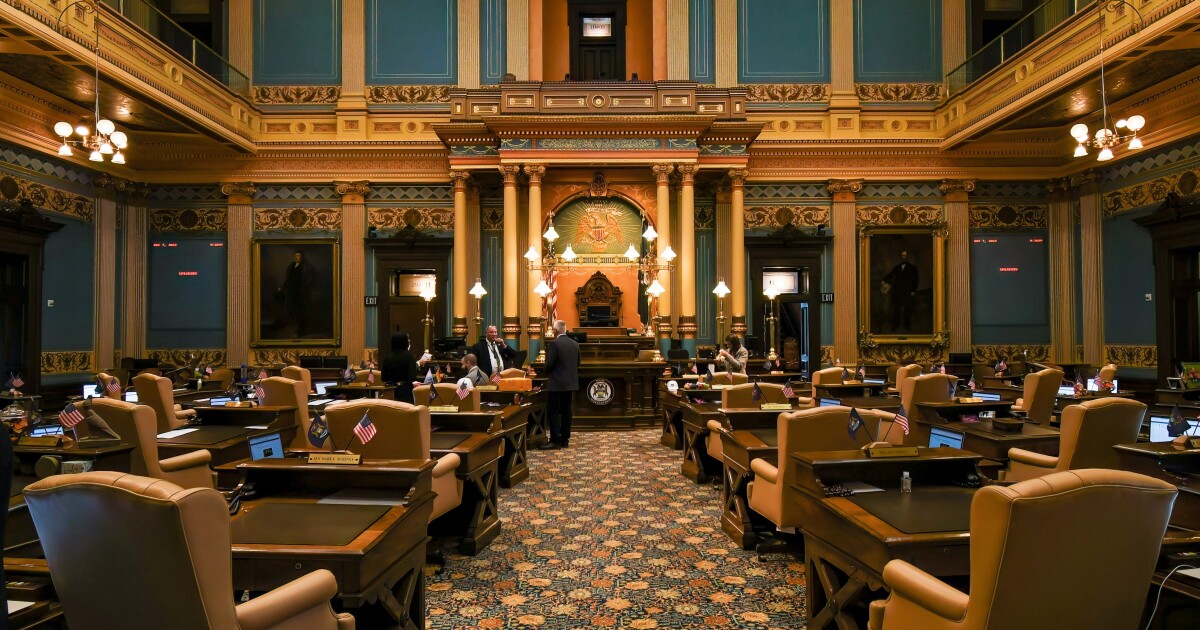
Although part of the package was slated for a floor vote during a recent Senate session, the bills were not brought up, indicating ongoing deliberations and potential revisions to address the raised issues.