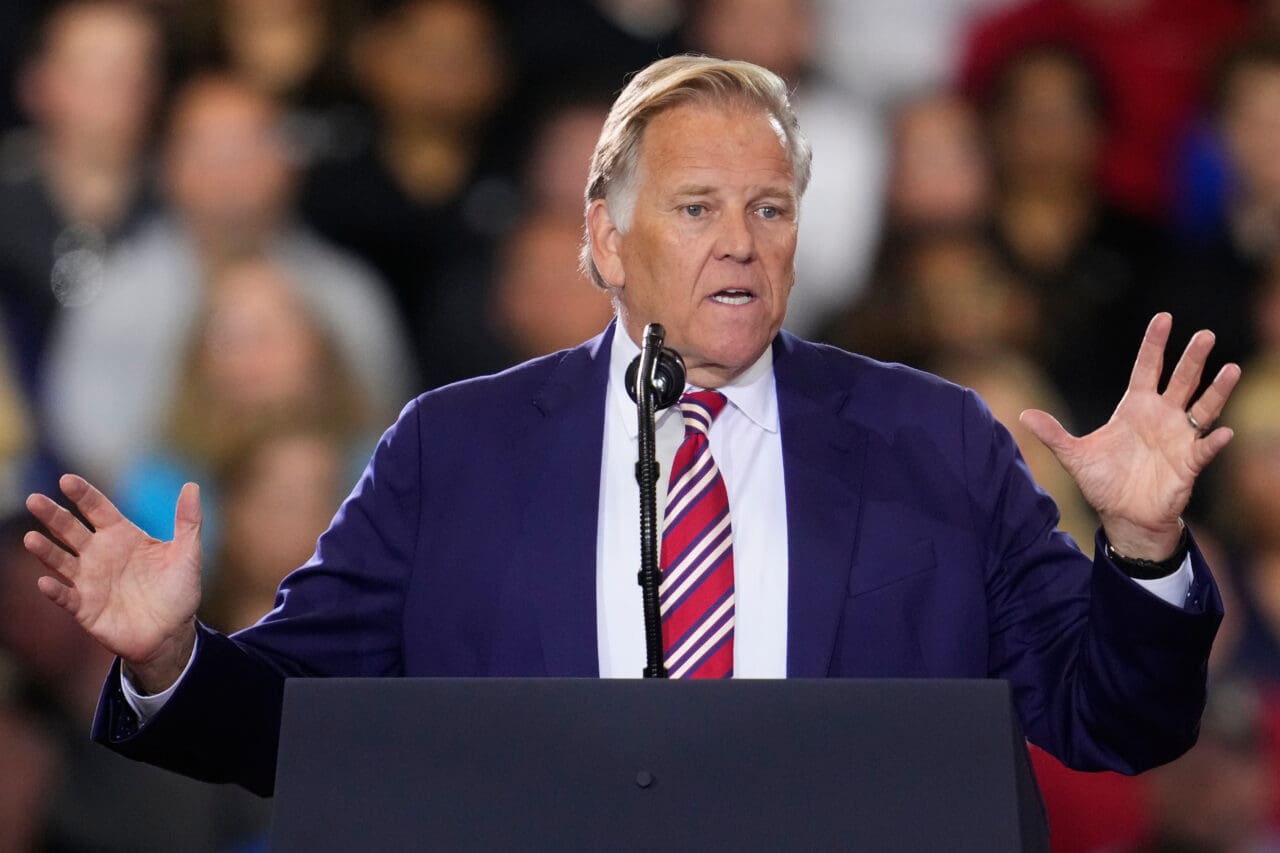
Michigan Senate Candidate Mike Rogers’ Extensive Ties to Oil and Gas Industry Under Scrutiny
As the race for the U.S. Senate heats up in Michigan, Republican candidate Mike Rogers faces renewed attention over his financial ties to the oil and gas sector from his time in the House of Representatives.
Rogers, who represented Michigan in the House from 2001 until his retirement in 2015 when he moved to Florida, has a congressional record marked by votes that often aligned with oil and gas industry interests. This alignment is underscored by the substantial donations he received from the sector during his tenure.
According to OpenSecrets, an organization that tracks political donations, Rogers accepted $693,234 from oil and gas companies, executives, and employees throughout his congressional career. This trend has continued into his current Senate campaign and his earlier attempt in 2024 for the same seat.
Notably, in 2005, amid soaring gas prices due to the Iraq and Afghanistan conflicts, Rogers backed the Energy Policy Act. Promoted by the White House as a measure to reduce fuel costs, the act included tax incentives for oil and gas infrastructure development and authorized drilling in the Arctic National Wildlife Refuge.
However, the nonpartisan Cato Institute criticized these measures, arguing they primarily benefited oil and gas companies with subsidies rather than significantly lowering prices. Further analysis by the Heritage Foundation in 2006 claimed the legislation inadvertently contributed to rising fuel costs (source).
In subsequent years, Rogers opposed the Federal Price Gouging Prevention Act, which aimed to curb excessive pricing by oil companies during crises. He also voted against the Energy Independence and Security Act of 2007, designed to promote renewable energy and fuel efficiency, a move opposed by industry lobbyists like the American Petroleum Institute, a notable donor to Rogers.
Rogers’ voting record includes opposition to bills such as the Consumer Energy Supply Act and the Commodity Markets Transparency and Accountability Act in 2008, both intended to address fuel prices and market manipulation.
These legislative actions predated the landmark Citizens United decision that altered campaign finance rules, allowing for increased corporate contributions to political campaigns.
Between 2024 and 2025, a super PAC supporting Rogers benefited from substantial contributions, notably a $10 million donation from Timothy Dunn, CEO of CrownQuest Operating, along with a personal $6,600 contribution to Rogers’ campaign.
Furthermore, the Chevron Corporation and its affiliated PAC donated $200,000 to Rogers’ super PAC, alongside $15,000 to his campaign. Other oil giants like ConocoPhillips and Marathon Petroleum have also contributed financially to his efforts.
Rogers’ support for the ongoing conflict in Iran has been linked to rising fuel prices, further fueling debate over his industry ties. His Democratic rival, Dr. Abdul El-Sayed, has openly criticized these connections, remarking in a recent press conference, “Is he MAGA? Is he neocon? Nah, man. He’s just a corporate sellout.”