Legal Challenges and Vaccine Compensation: A Complex Path for Families
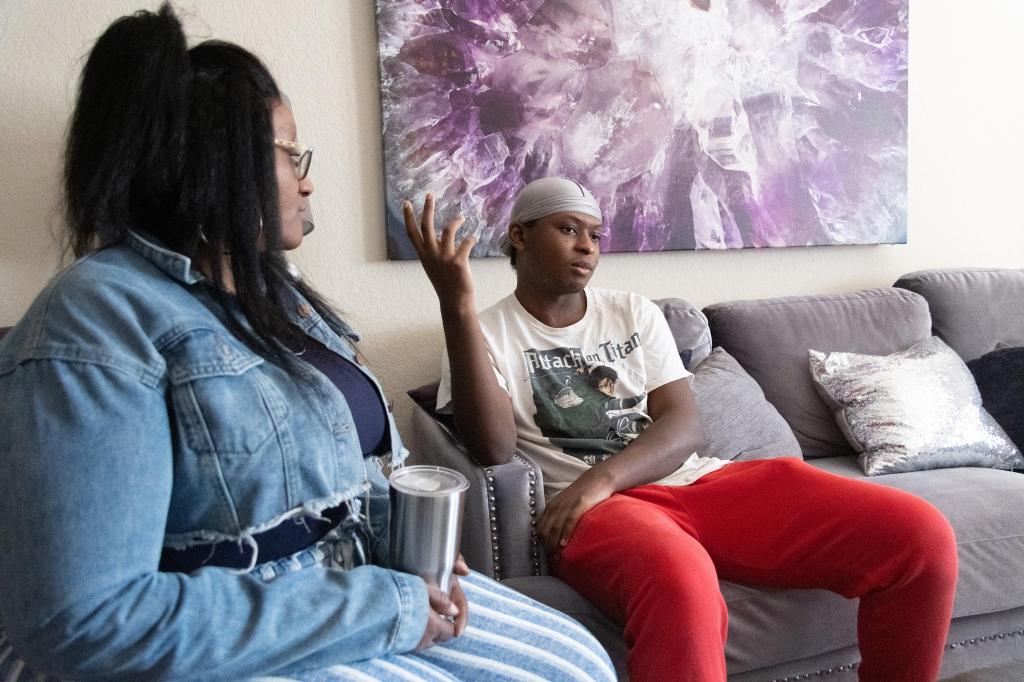
In Jacksonville, Florida, an 11-year-old boy named Keithron Thomas experienced severe shoulder pain following a routine vaccination in 2019. His mother, Melanie Bostic, initially believed the discomfort would disappear quickly. However, as time passed, the pain persisted and worsened, prompting her to explore legal avenues for relief.
Bostic discovered the Vaccine Injury Compensation Program (VICP), a federal initiative established in 1986 to aid individuals experiencing rare vaccine-related injuries. The program aims to offer a streamlined compensation process to those affected while protecting vaccine manufacturers from liability.
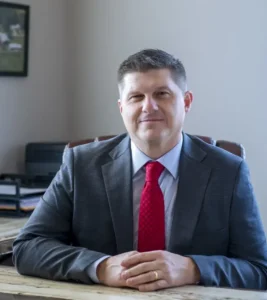
In 2022, Bostic filed a claim with the VICP to cover her son’s escalating medical expenses. She was referred to attorney Andrew Downing, a seasoned professional in vaccine-related litigation, by the Carlson Law Firm. Despite months of legal proceedings, Bostic faced a dilemma when Downing suggested opting out of the VICP to pursue a lawsuit against the vaccine manufacturer instead.
According to court records, Downing charged $445 per hour for his services, a standard rate for attorneys with his expertise. However, Bostic was left without compensation as Downing ultimately withdrew from the case, leaving her feeling frustrated and unsupported.
The Role of the Vaccine Court
The VICP was designed to balance public health protection with individual compensation for vaccine-related injuries. It allows claimants to receive assistance without proving vaccine manufacturer negligence. Since its inception, the program has awarded approximately $5 billion in compensation across 12,500 cases.
However, dissatisfaction with the program’s limitations has led some attorneys, including Downing, to transition claims into civil lawsuits. These legal actions, often targeting HPV vaccine manufacturer Merck, promise potentially higher financial rewards but require plaintiffs to meet a more stringent burden of proof.
Legal Shifts and Their Impact
Downing, alongside other attorneys, has shifted hundreds of VICP claims into civil litigation, aligning with ongoing efforts to challenge vaccine manufacturers in court. This strategy has sparked criticism from legal experts who argue that such actions may not serve the best interests of vaccine-injured clients.
University of California Law-San Francisco professor Dorit Reiss expressed concern, stating that attorneys involved in both VICP and civil litigation might have “incentives to direct more people” to lawsuits, potentially to the detriment of their clients.
Challenges for the Injured and Future Directions
For families like Bostic’s, navigating the complexities of vaccine-related legal claims is fraught with challenges. Despite the VICP’s intent to provide timely and adequate compensation, many claimants face delays and limited awards, prompting calls for reform.
Renée Gentry, director of GWU’s Vaccine Injury Litigation Clinic, emphasized the need for a balanced approach, noting that most vaccine-injured individuals seek care rather than substantial payouts.
As legal battles continue and criticisms mount, the future of vaccine compensation remains uncertain. For now, families like Bostic’s must navigate the intricate legal landscape in pursuit of justice and relief for their loved ones.
For more information on the Vaccine Injury Compensation Program, visit the official VICP report.