
Changes and Challenges: 2025 in Review for the National Park Service
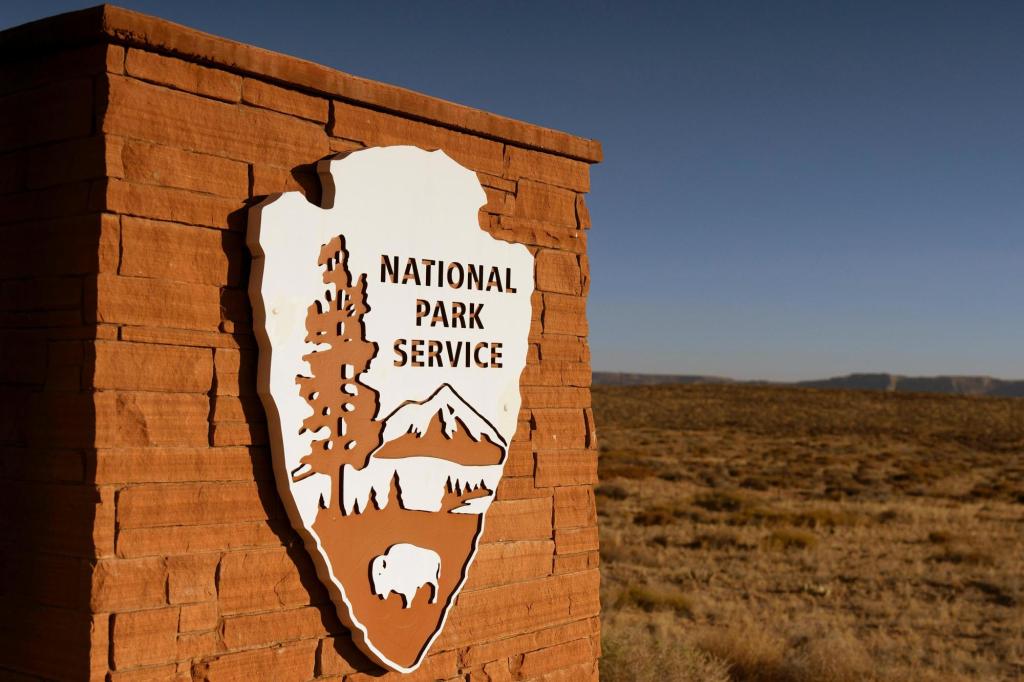
While the acting director of the National Park Service hails 2025 as an unforgettable year, many within the organization describe it as a period of unprecedented challenges. The stark contrast in perspectives paints a vivid picture of the current state of the nation’s beloved parks.
Jessica Bowron, the acting director of the NPS, expressed a positive outlook for the past year, calling it a “kick-ass year” in a message to Park Service managers. However, this optimistic view is not universally shared among those closely involved with the NPS.
“The past 11 months have been devastating for the National Park Service,” stated John Garder from the National Parks Conservation Association. He highlighted a significant reduction in full-time staff, noting a 24% decrease since the Trump administration began, with numbers dwindling to 12,600 employees.
Further concerns were echoed by Bill Wade of the Association of National Park Rangers, who described the current morale as the lowest he’s witnessed in over six decades. Wade cited issues such as probationary firings, forced performance ratings, and the removal of certain interpretive materials.
Staff Reductions and Operational Strains
Starting in January 2025, the NPS faced numerous challenges due to administrative changes. Over 4,000 permanent staff positions were eliminated through various means, including layoffs and forced resignations. Some individuals also opted to leave due to dissatisfaction.
The decrease in staffing extended to seasonal workers, impacting the park system during peak visitor months. Although visitor numbers reached nearly 332 million in 2024, the 2025 statistics remain undisclosed. Park employees have reportedly been working beyond their standard roles to ensure operations continue smoothly.
Behind the scenes, the loss of specialized permanent roles, such as scientists and historians, poses a significant concern for the long-term management of the parks.
Additionally, the partial government shutdown further strained resources, leading to furloughs and unpaid work. Administrative directives have also required the removal of diversity-related content from the parks’ public materials.
Controversies and Public Reactions
Controversy arose with plans to feature President Trump’s image on the 2026 annual park pass, prompting a lawsuit from the Center for Biological Diversity. Kierán Suckling criticized the move as a “crass” act overshadowing the parks’ natural beauty.
The Pew Research Center found that the NPS remains highly regarded among Americans, with bipartisan approval ratings above 75%. Yet, decisions concerning free entry days have sparked debate, particularly the exclusion of Martin Luther King Jr. Day and Juneteenth, while adding Flag Day, coinciding with Trump’s birthday.
Senator Catherine Cortez Masto, advocating for restored access, emphasized the importance of these holidays in promoting public service and honoring American history.
Concerns for the future of the NPS persist, with calls for legislative protection of staff roles. Garder from the NPCA and Wade of the park rangers’ association stress the need for Congressional action to safeguard the agency’s mission and workforce.