Government Shutdown Ends as President Trump Signs Funding Bill
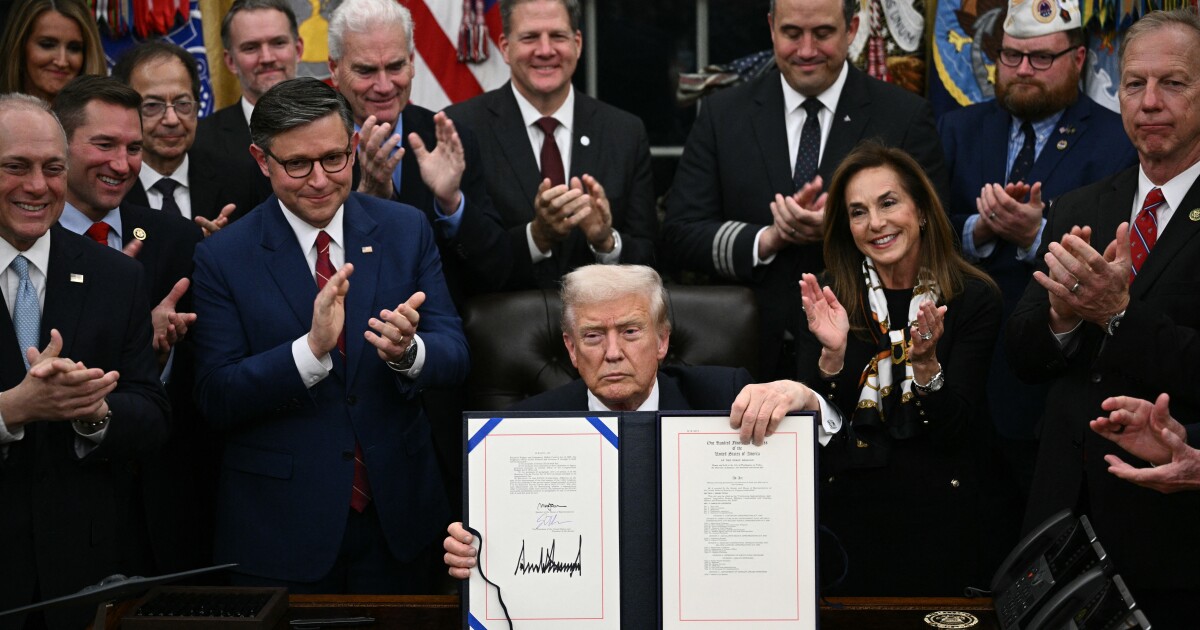
After 43 days of the longest government shutdown in history, President Trump signed a bill to fund the government, bringing relief to millions of affected Americans. The bill passed with a narrow margin in the House, with six Democrats crossing party lines to support it.
Details of the Bill
The bill extends last year’s spending levels through January for most government agencies and provides funding for some agencies until September. It includes provisions to reverse layoffs imposed during the shutdown, provide backpay for federal employees, and prevent further layoffs. However, the bill does not address the key issue of extending Affordable Care Act subsidies set to expire at the end of the year.
Future Legislation
A bipartisan deal reached in the Senate promises a mid-December vote on legislation to extend the expiring subsidies. Senate Democrats, while wary of the pledge, hope to lower health care costs by passing the bill. If approved in the Senate, the legislation would need to pass the House for final approval.
Impact of the Shutdown
The shutdown, fueled by Democrats’ demands to extend health care subsidies, did not achieve its intended goal. Despite the devastating effects on millions of Americans, Republicans remained steadfast in their refusal to negotiate. The shutdown left 42 million SNAP participants without aid, air traffic controllers working without pay, and federal workers facing financial hardships.
Conclusion
While the shutdown has ended, Democrats must now navigate the aftermath and defend their decision to support the bill without addressing the core issue of health care subsidies. The bipartisan agreement in the Senate reflects a willingness to negotiate post-funding, potentially opening the door for future legislation to extend ACA premium tax credits.
In a recent turn of events, President Trump opted to let Thune drive the GOP strategy during the government shutdown, a departure from his usual approach of upending Congressional Republicans’ plans. Despite Democrats repeatedly questioning Trump’s absence in discussions, he chose to stay back and not engage in the negotiations.
Looking ahead, both parties face crucial decisions that could shape their political fortunes in the coming year. Senate Democrats have a limited window to devise a bill addressing the expiring ACA subsidies, aiming to garner enough Republican support for its passage. If successful, Democrats could kick off 2026 with a significant policy win that would influence their messaging leading up to the midterm elections. Alternatively, if Republicans do not back the bill, Democrats still have a potent issue in healthcare to campaign on next year.
Interestingly, some Republicans have displayed interest in addressing the subsidies but advocate for incorporating reforms such as fraud prevention measures and income limits. Additionally, both parties must grapple with the reality that the government’s funding is only secured for a few months. Before the continuing resolution expires, Congress must pass nine other appropriations bills to keep the government operational.
As the political landscape continues to evolve, the choices made by Democrats and Republicans in the aftermath of the shutdown will undoubtedly shape the narrative and priorities leading into the upcoming year. Stay tuned for further developments as the parties navigate the aftermath of the recent government shutdown.
Copyright 2025 NPR