As the U.S. Senate races heat up, an unexpected issue is coming to the forefront in several states: rising food insecurity. This trend could pose a significant challenge for Republican candidates.
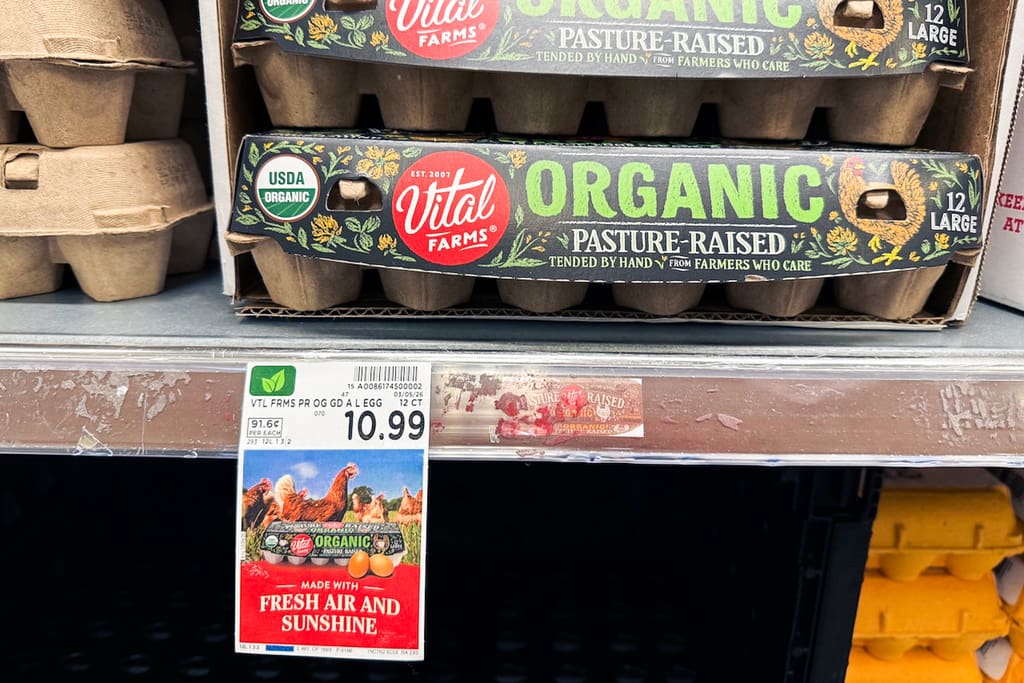
According to the Bureau of Labor Statistics, grocery prices surged in 2025, with bananas seeing a 5.9% increase and coffee nearly 20%. These price hikes were largely attributed to inflation and tariff policies implemented during President Donald Trump’s administration.
The situation worsens for many Americans due to reductions in SNAP benefits introduced by the One Big Beautiful Bill Act (OBBB). Over the next eight years, around 4 million Americans will experience a substantial decrease in food assistance.
Nikki, a mother of two from Iowa, expressed her concerns to Unrig Our Economy: “I’ve already had to make cuts to my grocery list. I don’t know how families like mine are going to make ends meet.”
Grocery prices also saw significant increases in various states last year: 4.75% in Ohio, 4.3% in Maine, 3.9% in Florida, and 3.8% in Texas. Alaska, while experiencing a lower rise at 2.9%, still faces some of the highest food costs due to its geographic isolation and high fuel prices.
These states have Republican senators up for reelection in 2026. Ohio’s Sen. Jon Husted supported the OBBB, notwithstanding a report by the Urban Institute which highlighted the risk it posed to 717,000 families’ food assistance in Ohio. Feeding America reports that one in seven Ohio residents now suffer from food insecurity.
During a January 2026 radio interview, Husted justified the cuts to support programs, suggesting that Ohioans need to work harder. “Our work ethic is broken,” Husted claimed. “We don’t have the work ethic in this country that we once had, and we literally have the federal government telling people we will give you more money if you stay home than if you go to work.”
In Maine, about 100,000 families could lose food support, with one in five children facing hunger. Though Sen. Susan Collins did not vote for the OBBB, her initial vote to advance the bill was pivotal for its passage. Collins now positions herself as a critic of the legislation.
Meanwhile, Florida’s Sen. Ashley Moody, Texas’s Sen. John Cornyn, and Alaska’s Sen. Dan Sullivan have all publicly supported the OBBB. Moody and Cornyn praised the bill as a significant accomplishment, while Sullivan declared that “no state fared better than” Alaska, despite the negative impact on 27,000 families there.
Republican House members vying for open Senate seats are also being scrutinized for their support of OBBB. Iowa Rep. Ashley Hinson backed the bill, which affects food costs and assistance for 134,000 residents. In Georgia, Reps. Buddy Carter and Mike Collins, both supporters, are competing for the Republican Senate nomination, with Carter openly proud of his role in the bill’s progress, as per a July 2025 press release.
These political figures face public scrutiny, as evidenced by a November 2024 Data for Progress survey showing that 78% of voters support SNAP. An Associated Press poll from the same period revealed that about half of Americans desire increased funding for the program.
Democratic governors have also raised alarms; a June 2025 letter to Congress warned of the dire consequences of SNAP cuts, including increased hunger, illness, and economic hardship for state and local communities.