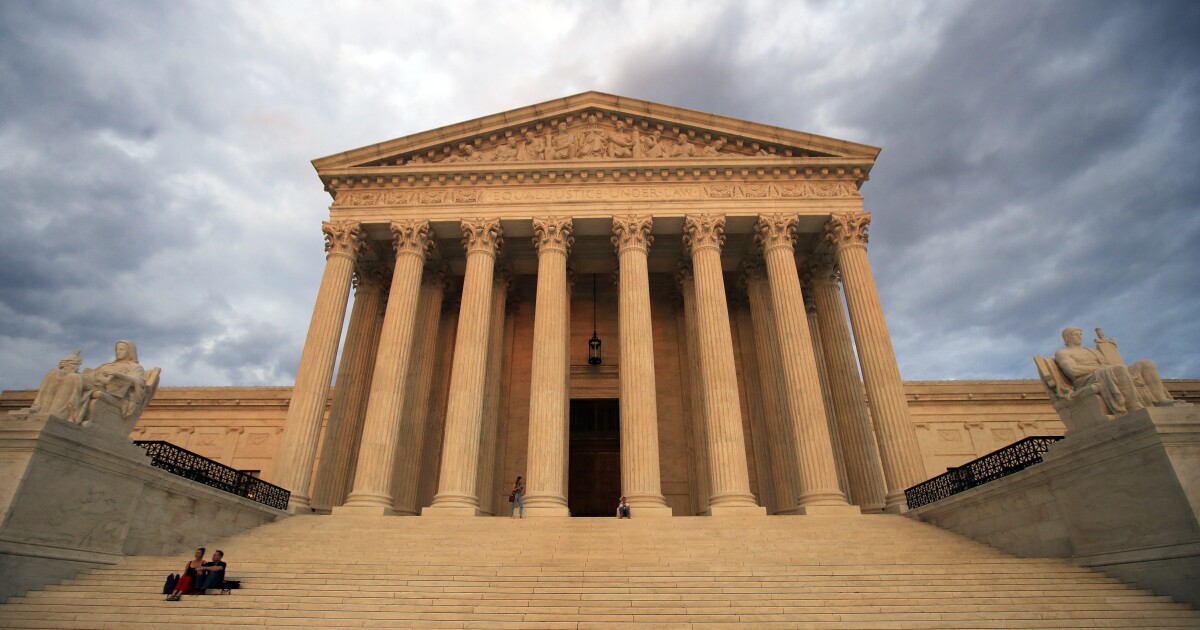
The Supreme Court Rules Against Trump’s Tariffs: What It Means for Michigan
Michigan, known for its strong ties to industries affected by trade policies, saw a significant development as the U.S. Supreme Court delivered a blow to President Donald Trump’s tariff strategy. The 6-3 ruling emphasized the constitutional power of Congress to impose taxes, including tariffs, and highlighted the president’s overreach in this area.
Positive Reactions from Michigan Leaders
Michigan Governor Gretchen Whitmer welcomed the ruling as “a decisive and welcome step forward,” expressing hope that it would push Congress and the president towards a more collaborative and strategic trade policy. Congresswoman Haley Stevens echoed these sentiments, emphasizing that Michigan workers and businesses should not bear the brunt of hasty tariff decisions.
Business Divisions and Future Concerns
While some business analysts caution that the ruling may not mark the end of Trump’s tariff agenda, others like Erik Gordon, an assistant professor at the University of Michigan, highlight the detrimental impact of unpredictable tariff changes on various Michigan industries. Despite the court’s decision, President Trump still retains options to impose tariffs aggressively, a move that could have implications for industries like automotive, pharmaceutical, and healthcare.
Michael Speigl, a lecturer at the University of Michigan, noted that the auto industry, a significant player in Michigan, has already factored in potential tariffs into their plans, anticipating alternative paths for their imposition despite the court ruling.
Trump’s Response and Future Actions
Following the Supreme Court’s decision, President Trump announced his intention to sign an executive order implementing a new 10% global tariff, signaling his determination to continue utilizing tariffs as a trade policy tool, albeit facing legal challenges.