
By MARK SHERMAN
WASHINGTON (AP) — In a significant move, the Supreme Court has agreed to hear an appeal from Cisco, as the tech giant seeks to dismiss a lawsuit alleging its technology was employed in China to persecute Falun Gong practitioners.
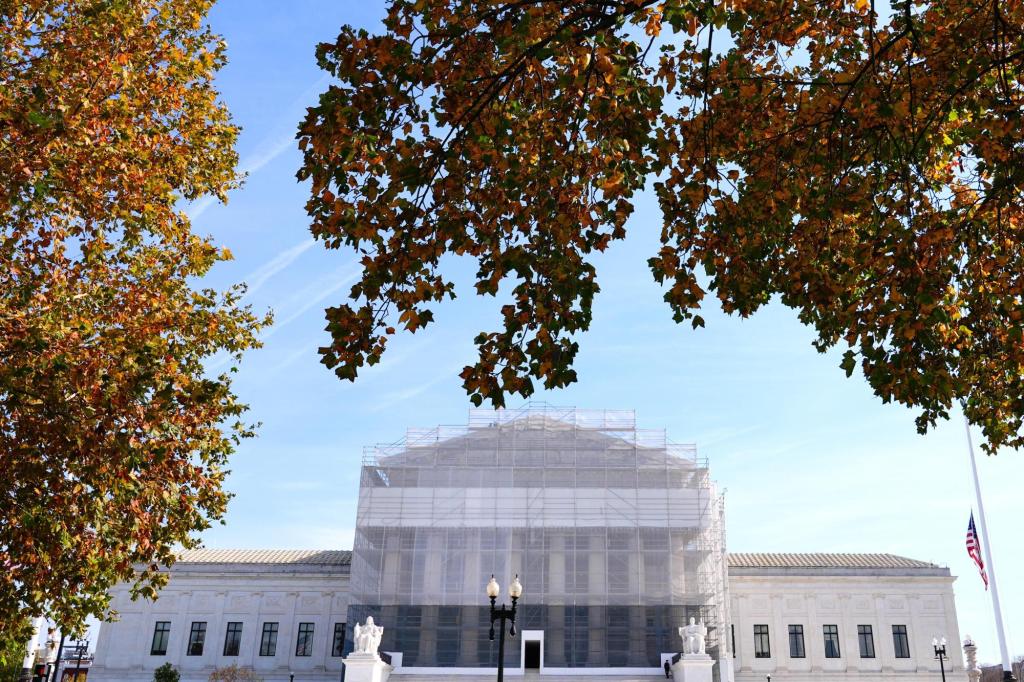
The court’s decision to hear the case follows advocacy from the Trump administration, which supported Cisco’s request for judicial review. The justices are set to deliberate the case this coming spring, focusing on an appellate decision that permitted the lawsuit against Cisco to proceed in U.S. courts.
Central to the lawsuit are claims that Cisco’s technology was instrumental in China’s surveillance infrastructure, as detailed in an Associated Press investigation from the previous year. The report highlighted how American tech firms, under both Republican and Democratic administrations, contributed to China’s surveillance capabilities, often used to suppress dissent, persecute religious groups, and monitor minorities.
Back in 2008, leaked documents revealed Cisco’s recognition of the “Golden Shield”—China’s internet censorship initiative—as a business opportunity. Cisco was noted for quoting a Chinese official labeling Falun Gong as an “evil cult.” Additionally, a 2008 Cisco presentation indicated its products could detect over 90% of Falun Gong-related content online.
Further documents reviewed by the AP showed Cisco portraying Falun Gong material as a “threat” and establishing a national information system to track its adherents. In 2011, Falun Gong members filed a lawsuit against Cisco, accusing the company of customizing technology for the Chinese government, fully aware it would be used to monitor, detain, and torture followers.
The core issue before the Supreme Court is whether Cisco can be held accountable under the Alien Tort Statute (ATS) and the Torture Victim Protection Act (TVPA) for allegedly aiding and abetting human rights abuses. Cisco maintains that it is not liable under these statutes.
The Supreme Court, along with past presidential administrations, has generally been cautious about allowing U.S. courts to adjudicate cases involving foreign government actions, especially those occurring outside the U.S. To counter this hesitation, Falun Gong practitioners argue that substantial parts of Cisco’s dealings with China transpired within the United States.
A ruling on the matter is anticipated by early summer.