Supreme Court Decision Upholds Michigan’s Mail-In Ballot System
A recent U.S. Supreme Court decision has upheld Michigan’s system for counting late-arriving mail-in ballots, allowing for ballots that arrive after Election Day to still be counted. This decision, stemming from a Mississippi case, also supports rules for counting military and overseas ballots that arrive after the polls have closed.
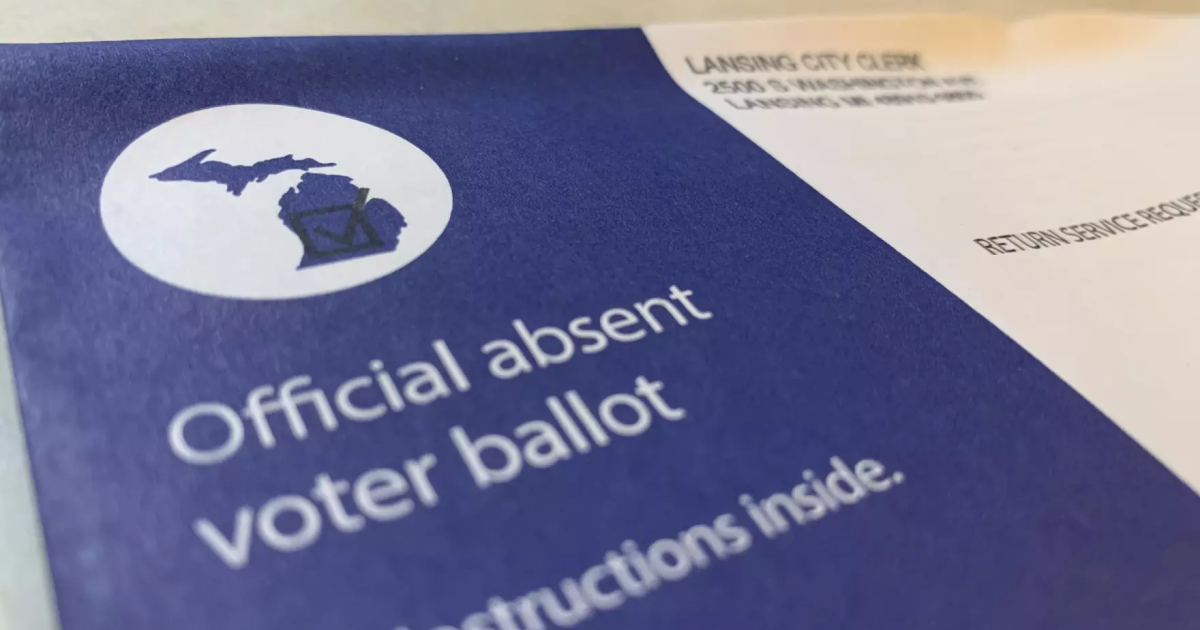
Michigan, like approximately 30 other states, allows for a grace period for the arrival of mail-in ballots after Election Day. Specifically, Michigan permits overseas mail-in ballots to be counted if they arrive within six days of an election and are postmarked on or before Election Day.
Christopher Thomas, a former Michigan elections director, highlighted the challenges faced by U.S. citizens in the military or living overseas when it comes to voting, emphasizing the complexities involved in dealing with postal services from other countries.
Secretary of State Jocelyn Benson celebrated the Supreme Court’s decision as a win for voting rights and states’ control over election processes under the U.S. Constitution. She emphasized the importance of ensuring that every eligible citizen can vote in every election.
The requirement to count overseas and military ballots postmarked by Election Day, even if they arrive late, is part of a broader set of reforms adopted by Michigan voters in 2022 as part of a sweeping voting rights amendment.
While advocates like Christy McGillivray from Voters Not Politicians view the decision as a positive step in upholding voting rights, Michigan Republican Party Chair Jim Runestad expressed disappointment, citing concerns about potential election fraud and the need for a more limited voting period.
Ultimately, the Supreme Court majority suggested that any concerns regarding election processes should be addressed by Congress or state legislatures rather than the judicial branch.
In a separate elections-related case, the U.S. Sixth Circuit Court of Appeals recently ruled that the federal government could not compel Michigan to release confidential data from voter rolls, a decision expected to be appealed to the Supreme Court.