Supreme Court Faces Key Cases in Upcoming Term
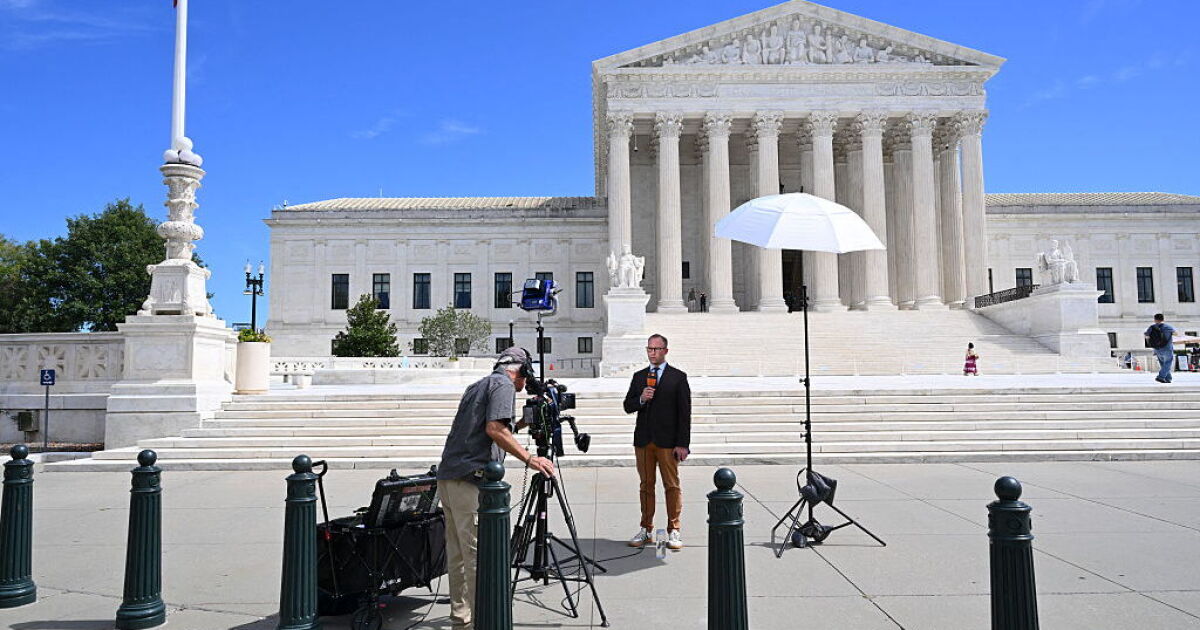
The U.S. Supreme Court is gearing up for a new term filled with significant cases that touch on various crucial issues, including religion, bans on semi-automatic weapons, climate change, immigration, and potentially election law matters. The Court, which typically opened a new term on the first Monday in October, has seen a shift in its dynamics over the years, with emergency appeals surging and fully briefed cases declining.
Georgetown University law professor Stephen Vladeck highlights the stark rise in emergency appeals during the Trump administration, resulting in more full court rulings on emergency applications compared to the merits docket. This trend marks a departure from the traditional workings of the Court, as emergency docket decisions are made swiftly with limited explanation or oral arguments.
Key Cases on the Docket
Climate Change
The Court’s docket will feature a case on Monday that examines whether state and local governments have the grounds to sue energy companies for allegedly misleading the public about the harmful effects of fossil fuels. While the lawsuit contends that the companies deceived the public for years, legal experts view the case as challenging for environmentalists.
Religion
Another significant case revolves around the changing dynamics concerning religion within the Court. The conservative majority’s shift has redefined legal doctrines surrounding the separation of church and state. There is speculation that taxpayers might be required to fund religious schools that refuse admission to LGBTQ students and parents, indicating a potential departure from previous legal stances.
Bans on Semi-Automatic Weapons
Later in December, the Court will observe a case that tests the constitutionality of state and local bans on semi-automatic weapons like the AR-15. This case has sparked debates on balancing Second Amendment rights with public safety concerns, as millions of Americans own such firearms.
Immigration
The Court is set to address unique immigration cases, including one questioning the Department of Homeland Security’s authority to deport migrants to third countries when their nations of origin refuse to accept them. This particular case underscores the Trump administration’s distinctive stance on immigration issues.
The Supreme Court is gearing up to tackle a variety of contentious issues in the coming months, ranging from immigration policies to the separation of church and state. Since the start of President Trump’s second term, his administration has been deporting individuals to third world countries where they lack ties, language skills, and face potential mistreatment. The court has agreed to hear arguments about this controversial policy in December, despite lower court rulings blocking it.
In another immigration-related case, the Supreme Court will address the Trump administration’s practice of detaining undocumented immigrants without bond hearings, irrespective of their length of stay in the U.S. This decision will have significant implications for the treatment of immigrants in the country.
Looking ahead, the justices may consider a range of other notable cases. One such case challenges a longstanding Supreme Court precedent prohibiting public schools from displaying the Ten Commandments. Several states have passed laws contradicting this ruling, setting the stage for a potential revisitation by the Supreme Court.
Additionally, the court may weigh in on the regulation of Kalshi, a popular prediction market worth $40 billion, which allows participants to bet on various events, including Supreme Court outcomes. Moreover, lingering cases from the Trump administration, such as disputes over medical research grants and security clearances for law firms, could also come before the court.
As experts point out, the full scope of the upcoming term’s impact remains uncertain, with potentially significant cases yet to be added to the docket. The court’s decisions in these cases could shape legal precedent and public policy in the years to come.
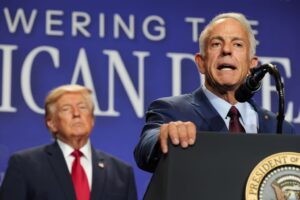
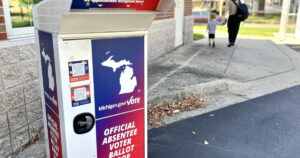
In the immediate future, the Supreme Court may also be drawn into election-related disputes. With the Trump administration’s efforts to influence elections and potential legal challenges arising, the court may find itself handling emergency cases related to voting issues. Democrats have assembled a legal team to address any election problems that may arise, underscoring the importance of the Supreme Court in shaping the electoral landscape.
Overall, the Supreme Court’s docket for the upcoming term is poised to address critical issues at the intersection of law, politics, and society, reflecting the court’s central role in shaping the nation’s legal landscape.