Understanding the Impact of Birthright Citizenship on Babies in America
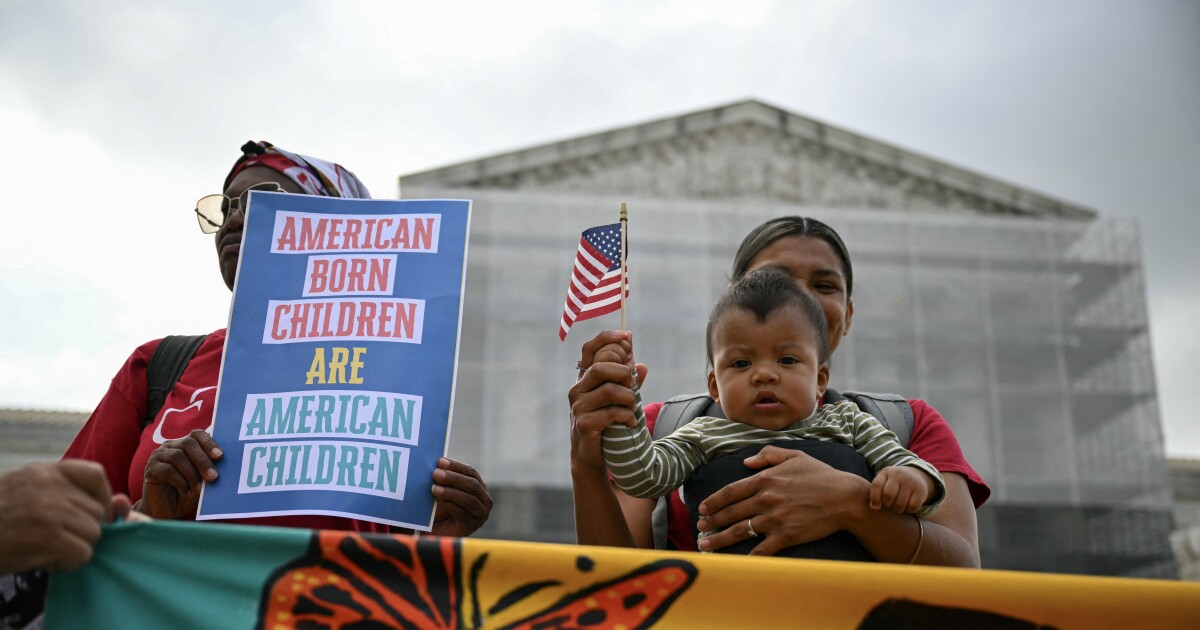
Amidst the ongoing debate surrounding birthright citizenship, Bruce Lesley, the president of First Focus on Children, highlights a critical aspect that often goes unnoticed – the significant impact on babies born in America. As the country awaits the Supreme Court’s decision in the case of Trump v. Barbara, the implications of potentially ending birthright citizenship on every newborn in the nation are brought to light.
Birthright Citizenship: A Lifeline for Babies
Currently, when a baby is born in the United States, they are automatically granted citizenship, entitling them to a myriad of essential services and support. Pregnant women, regardless of their immigration status, are eligible for Medicaid coverage in many states, ensuring access to crucial prenatal and postnatal care. Medicaid covers 40% of all births in the country and guarantees health coverage for the first year of the baby’s life.
An estimated 300,000 babies were born to parents without legal status in 2023, underscoring the broad impact any changes to birthright citizenship would have on all children. The potential requirement for parents to prove their citizenship status could introduce bureaucratic hurdles, affecting approximately 3.6 million babies born in the U.S. annually.
Challenges Without Birthright Citizenship
Without birthright citizenship, parents would need to establish their citizenship status to access vital support services for their newborns, disrupting the current seamless provision of care. The process of proving citizenship could be complex and costly, potentially leaving many families without essential assistance.
Hannah Steinberg, a staff attorney at the ACLU Immigrant Rights Project, raised concerns about situations where the father’s identity is unknown on birth certificates, jeopardizing the child’s entitlement to citizenship. Additionally, cases where babies are found in the U.S. with unidentified parents pose further challenges, potentially depriving them of their citizenship rights.
The looming uncertainty surrounding birthright citizenship underscores the critical role it plays in ensuring the well-being of newborns in America. Any alterations to this longstanding practice could have far-reaching consequences for the most vulnerable members of society.
In a recent development, the issue of birthright citizenship has taken center stage, with President Trump’s executive order aimed at limiting this longstanding guarantee facing legal challenges. The Supreme Court is set to hear the case on April 1, marking a pivotal moment in the ongoing debate.
The crux of the matter lies in the potential implications of restricting birthright citizenship, as highlighted by experts in the field. Lesley, a legal expert, raises concerns about the hurdles that could arise for various families, including same-sex couples, surrogates, and parents who have faced document-related challenges.
Moreover, Arturo Vargas Bustamante, the director of faculty research at the UCLA Latino Policy and Politics Institute, underscores the real-world impact of this debate on maternal and infant health. He emphasizes that fear stemming from immigration policies could deter individuals from seeking necessary medical care, leading to adverse outcomes such as low birth weight and long-term health consequences, especially affecting the Latino community.
Bustamante’s research indicates that a significant proportion of children with noncitizen parents are Latino, shedding light on the disproportionate effects that changes to birthright citizenship could have on this demographic. The potential repercussions are underscored in a recent policy brief authored by Bustamante, further emphasizing the far-reaching implications of altering this fundamental aspect of American law.
As the Supreme Court prepares to weigh in on this contentious issue, the outcome of the case could have lasting effects on families, healthcare access, and the broader social fabric of the nation. Stay tuned for further developments as the legal battle over birthright citizenship unfolds.