Treasury Secretary Reveals Potential Successors for Federal Reserve Chair
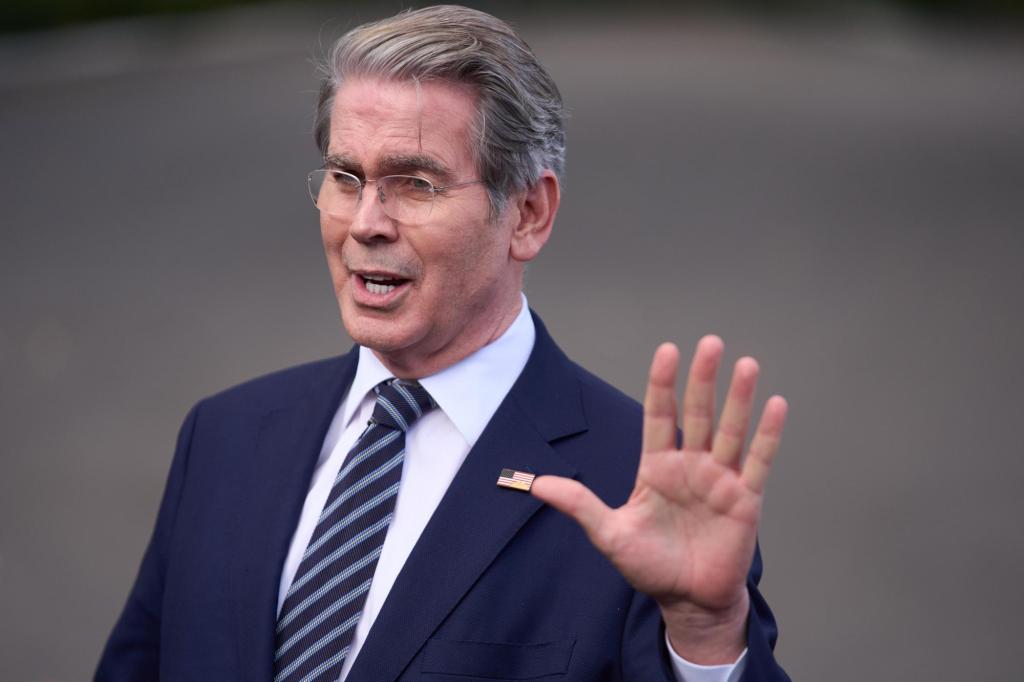
In a pivotal moment for U.S. monetary policy, Treasury Secretary Scott Bessent has unveiled a shortlist of candidates under consideration to succeed Jerome Powell as the Federal Reserve Chair. The announcement comes amidst ongoing critiques of the Fed’s current policies and leadership.
During an Air Force One journey to Asia with President Donald Trump, Bessent shared that a second round of interviews will take place soon. He plans to propose a comprehensive list of candidates to the president shortly after Thanksgiving, with Trump aiming to finalize his decision by the year’s end.
The individuals vying for the position include Federal Reserve governors Christopher Waller and Michelle Bowman, former Fed governor Kevin Warsh, White House economic adviser Kevin Hassett, and Rick Rieder, a senior managing director at BlackRock.
These nominations indicate potential significant shifts in the Federal Reserve’s leadership and policy direction. Bessent has been openly critical of the Fed’s actions, particularly its prolonged unconventional monetary policies since the 2008-2009 financial crisis.
President Trump reiterated his dissatisfaction with Powell, criticizing him for not reducing interest rates swiftly. “We have a person that’s not at all smart right now,” Trump remarked, highlighting his discontent with Powell’s pace of policy adjustments. The Fed is anticipated to cut its key rate again soon.
Powell’s term as chair concludes in May next year, but he could remain a governor on the board until January 2028, a scenario that could prevent Trump from nominating a new board member for several years. Currently, Stephen Miran serves as a governor following his appointment by Trump, with his term ending in January. Trump might nominate Powell’s successor for Miran’s seat, later elevating them to chair.
Kevin Hassett, presently chairing the National Economic Council, is known for his steadfast support of Trump’s policies, potentially giving him an advantage. Warsh, with experience as an economic advisor under George W. Bush, brings a historical perspective to the role, having served on the Fed board from 2006 to 2011.
Christopher Waller, a Trump appointee from 2020, has already demonstrated an independent stance within the Fed, advocating for rate cuts. Michelle Bowman, serving as the Fed’s vice chair of supervision, has a background in state banking regulation, aligning her with the administration’s regulatory outlook.
Rick Rieder brings extensive experience from the financial markets, managing vast assets at BlackRock, which may influence his approach to monetary policy.
Bessent’s critiques of the Fed emphasize the need for the institution to reduce its market influence. He argues that the Fed should undergo a comprehensive evaluation, stating, “It is essential the Fed commit to scaling back its distortionary impact on markets.”
Trump’s continued pressure for lower interest rates, paired with attempts to reshape the Fed board, including efforts to remove Biden appointee Lisa Cook, have sparked discussions about the Fed’s independence. The Supreme Court has temporarily allowed Cook to maintain her position while her case is reviewed.
Fed historian Peter Conti-Brown warns against appointing individuals primarily loyal to the president, emphasizing the need for independent central bankers. He cautions, “Those are the ones that we want as his advisers and spokespeople and his lawyers, not his central bankers.”