Michigan Coal Power Plant to Stay Open for 3 More Months
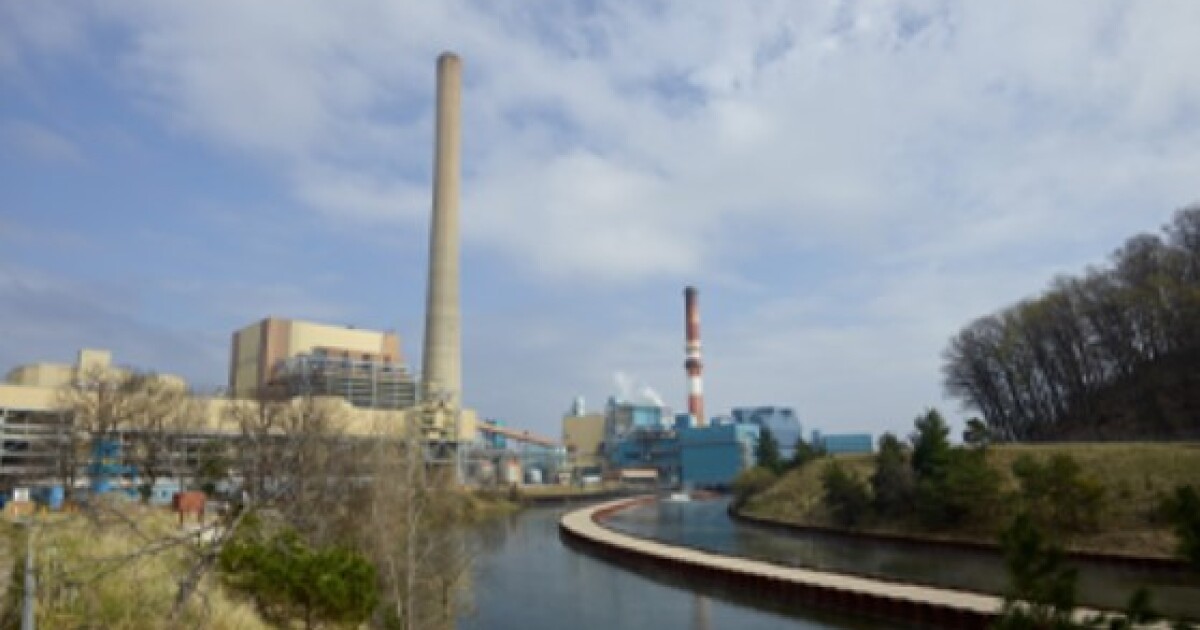
In a recent development, the J.H. Campbell coal power plant in west Michigan will continue its operations for another three months under a new order issued by the Trump administration. The decision comes amidst claims of an energy emergency in parts of the Midwest and the need to maintain affordable energy costs.
Initially, Consumers Energy, the operator of the plant, had planned to shut down the facility in May as part of efforts to reduce costs for consumers, decrease greenhouse gas emissions, and transition towards natural gas and renewable energy sources. However, the U.S. Department of Energy has intervened to extend the plant’s operation to address what it perceives as an energy shortage.
This latest order marks the third time that Energy Secretary Chris Wright has mandated the plant to remain operational due to alleged emergency conditions. Environmental groups and Michigan’s state utility regulator have challenged the administration’s justification, arguing that the plant’s closure would not pose a crisis and that sufficient renewable and natural gas capacity exists to meet energy demands.
Despite the opposition, Consumers Energy has affirmed its readiness to comply with the directive to keep the Campbell plant running, with the costs of operation to be shared across the Midwest electric grid region. The company’s plans to transition to a cleaner and more efficient energy model will be temporarily postponed as a result of this extension.
With Michigan being part of a larger power grid spanning multiple states and a Canadian province, the implications of the decision to prolong the plant’s operations extend beyond state borders, impacting energy distribution and costs across the region.
As stakeholders continue to debate the necessity and consequences of maintaining the coal power plant, the future of energy generation in Michigan remains a topic of ongoing discussion and contention.
The Midcontinent Independent System Operator Inc. (MISO) is collaborating with Consumers Energy to ensure compliance with regulations governing the regional system. Michigan’s energy policies mandate a shift to “clean energy” by 2040, underscoring the state’s commitment to environmental sustainability. Despite this, the future of the Campbell plant remains uncertain, with the Trump Administration potentially extending its operation past the current deadline of February 17. However, such a decision is likely to face opposition from environmental groups and the state attorney general’s office, which previously took legal action on the matter. This ongoing debate highlights the complex interplay between energy policies, environmental concerns, and regulatory decisions in Michigan.