
By MICHELLE L. PRICE
Trump Discusses Health Tests and Public Reactions
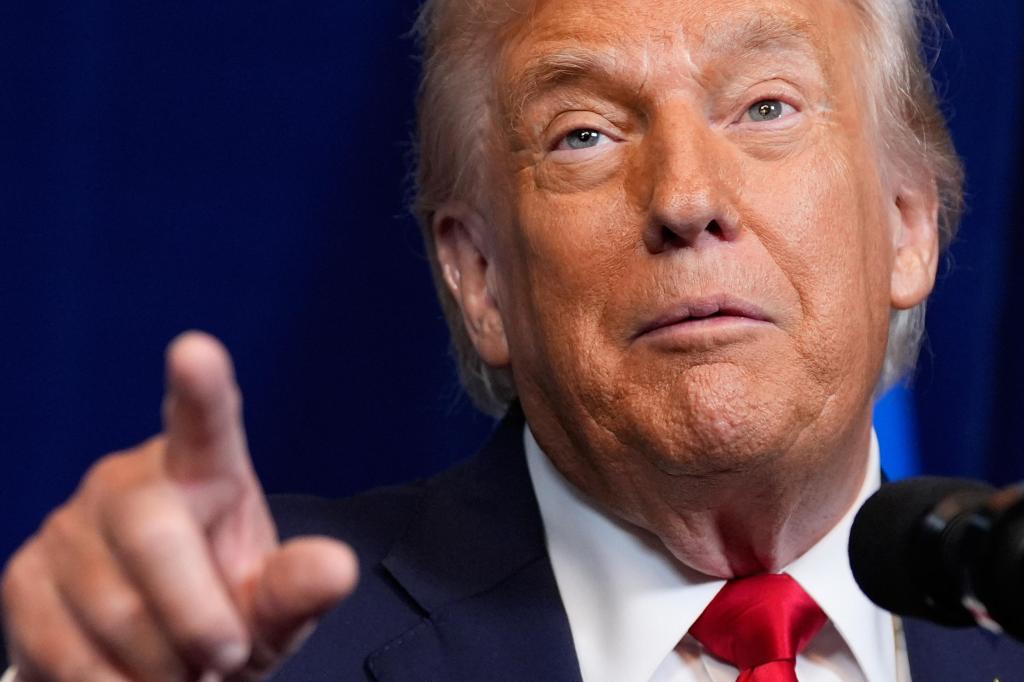
In a recent conversation with The Wall Street Journal, President Donald Trump addressed concerns regarding his health, revealing insights about an October examination at Walter Reed National Military Medical Center. The president clarified that he underwent a CT scan, not an MRI, during his visit, a detail that had been previously undisclosed.
During the interview, Trump expressed regret over the advanced imaging as it sparked public scrutiny. According to a memo from his physician, the imaging served as a preventative measure for men of his age. Despite initial descriptions of the scan as an MRI, Trump admitted uncertainty about the area scanned, highlighting a common misconception between the two imaging techniques.
Details from Trump’s Medical Team
Official statements from the White House, particularly from Navy Capt. Sean Barbabella, provided additional context. Barbabella confirmed that Trump’s visit to Walter Reed was initially planned to meet staff and soldiers, with the health check being a secondary purpose. Trump had already completed an annual physical in April.
Barbabella explained the choice between a CT scan or MRI was intended to rule out cardiovascular issues, with results indicating no abnormalities. The White House press secretary, Karoline Leavitt, emphasized transparency regarding Trump’s health, noting that “additional details on the imaging have been disclosed by the President himself” as there was “nothing to hide.”
“In retrospect, it’s too bad I took it because it gave them a little ammunition,” Trump mentioned in the interview, expressing that the examination led to unwarranted speculation about his health.
Health and Age in the Spotlight
As the oldest person to assume the presidency, Trump’s health has been a topic of interest, especially following his critiques of Joe Biden’s fitness for office. Questions regarding Trump’s own health have arisen, particularly noticing bruises on his hand and ankle swelling. The White House attributed these to chronic venous insufficiency, a prevalent condition in older adults, and frequent handshaking paired with aspirin use, respectively.
Trump acknowledged taking more aspirin than recommended, driven by long-standing habits and superstition, believing it beneficial for maintaining “thin blood.” He also addressed queries about alleged dozing during meetings, attributing closed eyes to moments of rest rather than sleep.
The president described his daily routine, which involves early mornings and long workdays, asserting that he has ample energy due to his “very good genetics.”