The Push to End the Filibuster and Reopen Government
Amidst the ongoing government shutdown, President Trump is advocating for the Senate to eliminate the filibuster. By doing so, the Republican majority could potentially bypass Democrats and resume normal government operations. The filibuster, a Senate tactic that prolongs or obstructs legislative voting by extending debates, currently requires 60 votes to overcome. This has empowered Democrats to challenge the Republican majority, culminating in the current shutdown that began on October 1.
Trump, who recently returned from a tour of Asia, expressed his deliberation on the filibuster while overseas. He underscored the need for change after discussions with foreign leaders highlighted queries about the government shutdown’s origin. His proposition to end the filibuster could revolutionize Senate dynamics and negotiation patterns.
Impacts of the Shutdown
The repercussions of the government shutdown are reverberating across the country. Citizens in Alaska are preemptively stocking up on essential supplies like moose, caribou, and fish, anticipating disruptions in food aid programs such as SNAP. Mainers are ensuring their home-heating oil tanks are full, as federal subsidies remain in limbo.
With holiday travels looming, flight delays are becoming more common, and employees are facing financial uncertainties without paychecks. The escalating costs of healthcare insurance, a pivotal issue in the Capitol Hill stalemate, are also surfacing, affecting numerous Americans.
Challenges and Negotiations
Senator Lisa Murkowski of Alaska emphasized the urgency to resolve the shutdown, stressing the diminishing food resources in her state. While bipartisan discussions are quietly progressing, a resolution is unlikely before the impending deadline. The Senate remains divided on Trump’s proposal to end the filibuster, questioning the efficacy of such a drastic measure.
Funding Priorities
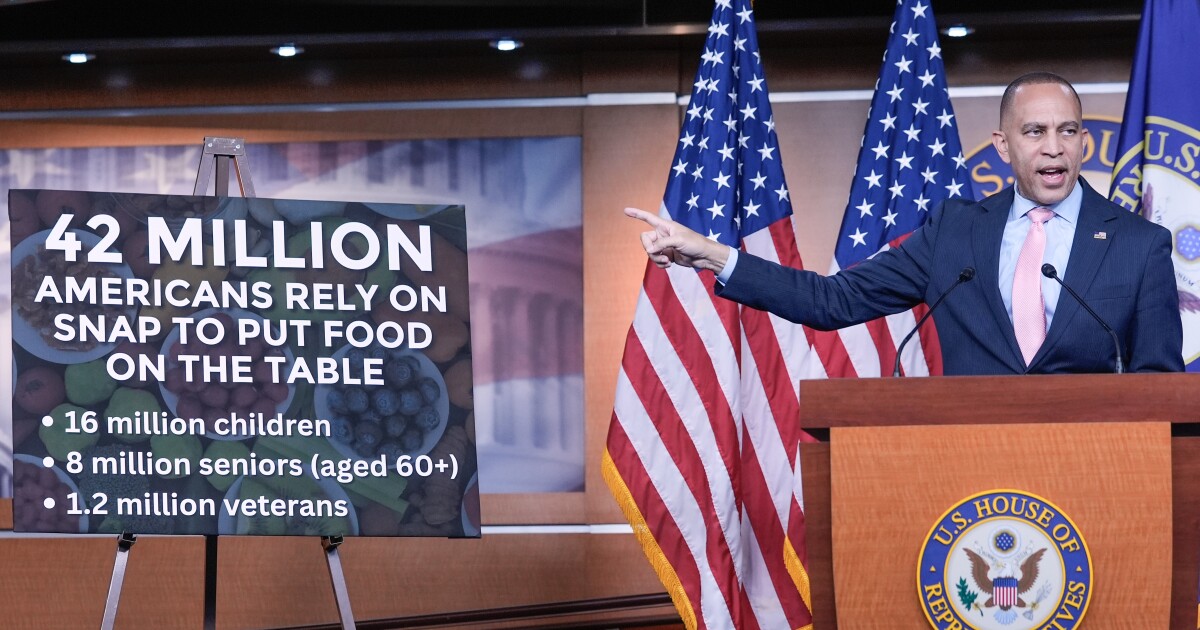
Notably, the White House has prioritized military funding over food assistance, redirecting resources to ensure military personnel receive their pay. However, critical food aid programs like SNAP have not been allocated additional funds. Trump’s recent legislation resulted in significant cuts to SNAP, jeopardizing the assistance for approximately 2.4 million individuals.
In a tumultuous political landscape, the U.S. government shutdown, now in its 30th day, shows no signs of abating as key deadlines shift into the next week. The deadlock between the House and Senate, compounded by President Johnson’s absence due to overseas engagements, has left federal workers furloughed and critical programs shuttered. Amidst this turmoil, Americans purchasing health insurance through federal and state marketplaces face soaring premium prices, exacerbating concerns about access to affordable healthcare.
The impasse over the budget is further complicated by the looming expiration of federal subsidies that help offset healthcare costs, adding pressure on both Democrats and Republicans to find a resolution. The current shutdown threatens to surpass the previous record of 35 days, set during President Trump’s first term over the U.S.-Mexico border wall funding dispute.
Meanwhile, the GOP, holding majority control in Congress, finds itself defending the very programs it sought to cut, including Medicaid and SNAP food aid. Recent cuts imposed on these essential services have sparked criticism from Democrats, who accuse Republicans of withholding vital assistance for political gain. The debate over welfare programs has intensified, with Republicans championing new work requirements to curb what they perceive as abuse of government benefits.
As the shutdown drags on, the focus shifts to the outcomes of Tuesday’s elections in New York City, Virginia, and New Jersey, where the political landscape might influence negotiations between the two parties. Senate Majority Leader John Thune expressed hope for a breakthrough post-election, emphasizing the urgency of reopening the government to alleviate the mounting challenges faced by federal workers and healthcare consumers.
Despite the contentious political climate, the fate of the shutdown and its impact on essential services remain uncertain. As lawmakers navigate the complexities of budget negotiations and policy disputes, the American public grapples with the repercussions of a prolonged government stalemate. The need for bipartisan cooperation and swift resolution grows more pressing as the shutdown’s repercussions reverberate across the nation.