Michigan’s Economic Landscape Amid Trump’s Second Term
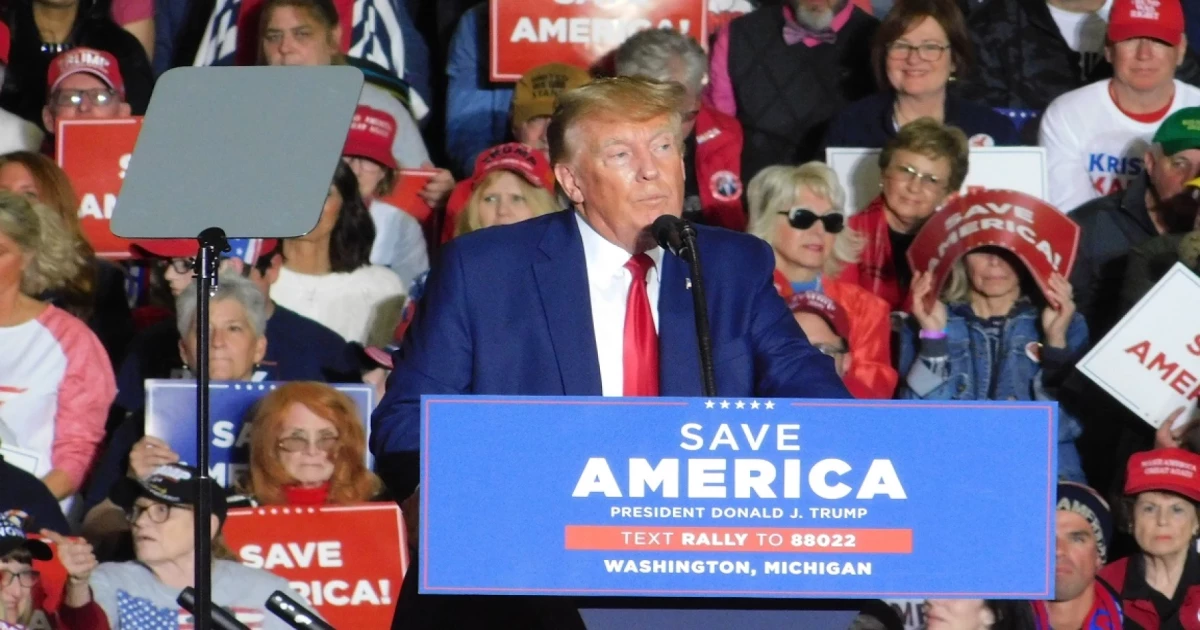
As President Donald Trump completes one year into his second term, Michigan finds itself at the center of economic debates and policy changes. Trump’s focus on reviving Michigan’s manufacturing sector through tariffs has sparked both optimism and concern among residents and policymakers.
Trump’s Impact on Michigan’s Manufacturing Sector
President Trump’s imposition of tariffs on various goods from multiple countries aimed to boost Michigan’s manufacturing prowess. Trump highlighted success stories like Ford’s $5 billion investment in Michigan and GM’s relocation of production from Mexico to the state in a recent speech in Detroit. However, critics argue that these policies have led to economic instability, impacting affordability and social safety nets.
Economic Analysis and Predictions
Research from institutions like The Budget Lab at Yale University suggests that lower-income households may face resource constraints due to tariffs and cuts in social safety net spending. Additionally, forecasts indicate that the expiration of Affordable Care Act tax credits could result in decreased health insurance coverage for around 300,000 Michiganders.
Contrasting Views and Complex Realities
The debate surrounding Trump’s economic policies is multifaceted. While supporters like Michigan Republican Party Chair Jim Runestad cite tax cuts and stabilized inflation as positive outcomes, critics point to job losses in manufacturing and challenges faced by auto parts suppliers due to policy changes.
Immigration Enforcement and Divisive Policies
Aside from economic matters, Trump’s administration has also faced scrutiny over immigration policies. Increased enforcement by Immigration and Customs Enforcement (ICE) in Michigan has drawn mixed reactions. While some defend these actions as necessary for law enforcement, critics denounce them as “lawless” and raise concerns about the impact on immigrant communities.
Implications for Michigan’s Future
As Michigan approaches the upcoming general elections, issues like jobs, the economy, taxes, and immigration enforcement are in the spotlight. The diverse perspectives and outcomes of Trump’s policies will likely shape voter sentiments and determine the state’s economic trajectory in the months to come.
Study Reveals Impact of Sleep Deprivation on Academic Performance
A recent study conducted by researchers at a leading university has shed light on the significant impact of sleep deprivation on academic performance among college students. The study, which analyzed data from over 1,000 students, found a clear correlation between lack of sleep and poor grades.
Key Findings
The study revealed that students who reported getting less than six hours of sleep per night were more likely to perform poorly in their classes compared to those who slept for at least seven hours. In fact, the researchers found that every additional hour of sleep was associated with a 0.2 increase in GPA.
Impact on Learning
The researchers also noted that sleep deprivation not only affected academic performance but also had a negative impact on students’ ability to concentrate, retain information, and participate in class discussions. This highlights the importance of prioritizing a good night’s sleep for overall academic success.
Recommendations
Based on these findings, the researchers recommended that educational institutions provide resources and support to help students improve their sleep habits. They also suggested implementing policies that promote healthy sleep practices and reduce the prevalence of all-night study sessions.
Conclusion
In conclusion, the study underscores the critical role that sleep plays in academic success. By prioritizing healthy sleep habits, students can not only improve their grades but also enhance their overall learning experience.