Two National Guard Members in Critical Condition After Shooting in Washington, D.C.
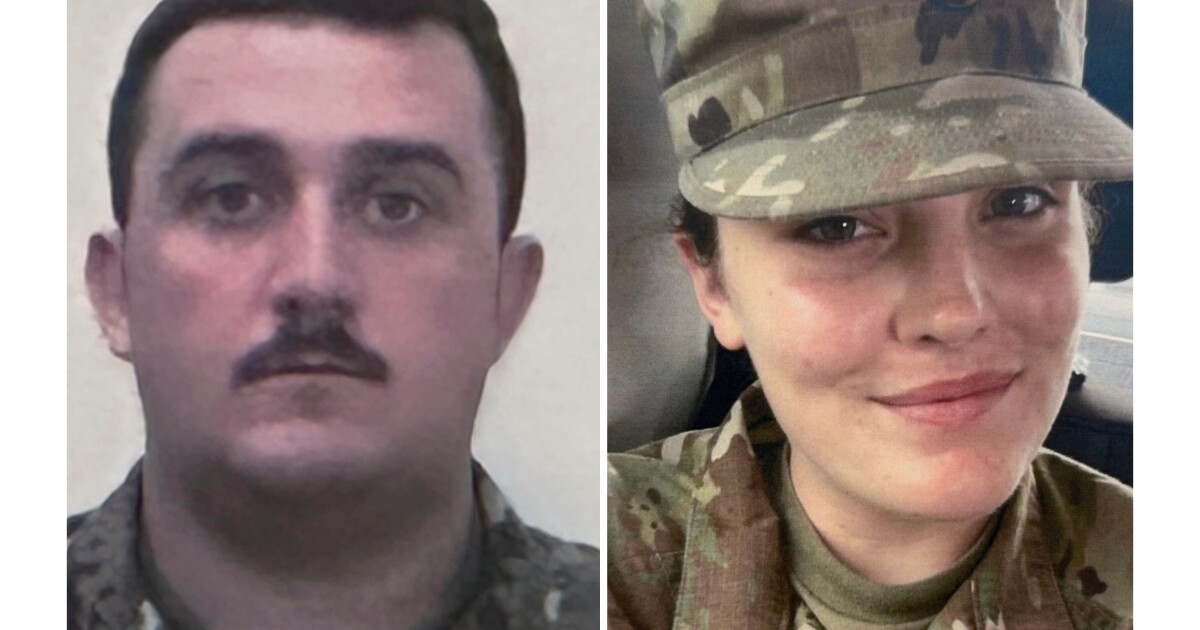
Two members of the West Virginia National Guard are currently in critical condition after being shot near the White House in Washington, D.C. The incident occurred on Wednesday afternoon, leaving the soldiers, Sarah Beckstrom, 20, and Andrew Wolfe, 24, hospitalized with severe injuries.
Details of the Victims
Sarah Beckstrom, an Army specialist from Summersville, W.Va., joined the service in 2023 and was assigned to the 863rd Military Police Company, 111th Engineer Brigade of the West Virginia Army National Guard. Andrew Wolfe, an Air Force staff sergeant from Martinsburg, W.Va., entered the service in 2019 and was assigned to Force Support Squadron, 167th Airlift Wing of the West Virginia Air National Guard.
Suspect and Investigation
The alleged gunman, identified as Afghan national Rahmanuallah Lakanwal, drove from Washington state to carry out what U.S. Attorney Jeanine Pirro described as a “targeted attack.” Both Beckstrom and Wolfe were the victims of the shooting, and Lakanwal will face terrorism charges, with the possibility of life in prison or the death penalty if either soldier succumbs to their injuries.
Ongoing Investigation
FBI Director Kash Patel stated that a comprehensive investigation is underway, spanning across the country with search warrants executed at the suspect’s residence in Bellingham, Wash., and San Diego. International inquiries are also being pursued. CIA Director John Ratcliffe noted that the shooter, who arrived in the U.S. from Afghanistan in 2021, had prior affiliations with the U.S.
In a shocking turn of events, a targeted attack on National Guard members occurred in Washington, D.C. The shooting, which took place on Wednesday afternoon, left two Guard members injured. According to reports, the gunman opened fire on the Guard members while they were on patrol, but nearby members were able to subdue him. D.C. Mayor Muriel Bowser described the incident as a “targeted” attack.
President Trump, who was in Florida at the time, addressed the incident on social media, stating, “The animal that shot the two National Guardsmen…will pay a very steep price.” The suspected shooter, identified as Lakanwal, came to the U.S. from Afghanistan in 2021 as part of a program called Operation Allies Welcome. Lakanwal, who had previously served in one of Afghanistan’s elite counterterrorism units, had ties to the CIA.
The Central Intelligence Agency (CIA) expressed concerns over the shooter’s background, stating that individuals like him should not have been allowed to enter the country. The CIA emphasized the need for better screening processes to prevent such incidents from occurring in the future. The shooter’s arrival in the U.S. was justified by the Biden administration due to his prior work with the U.S. government, including the CIA.
The shooting has reignited debates over immigration policies and the vetting of individuals entering the country. With roughly 200,000 Afghan immigrants and refugees arriving in the U.S. following the fall of Kabul to the Taliban, questions surrounding security measures and the screening of individuals are being raised. The incident serves as a reminder of the importance of thorough background checks and stringent immigration protocols to ensure the safety of citizens and servicemembers. Recent events in Washington, D.C., have sparked concern and raised questions about immigration policies and national security measures. Following a shooting incident that left two National Guard members injured, former President Donald Trump called for a reevaluation of Afghan nationals’ entry into the United States. Trump labeled the attack as an act of terror and emphasized the need to scrutinize immigrants arriving from Afghanistan under the Biden administration.
In response to the shooting, U.S. Citizenship and Immigration Services made a significant decision to halt the processing of immigration applications from Afghan nationals to review security and vetting protocols. This decision is likely to impact individuals who collaborated with the U.S. government or NATO forces during the lengthy conflict in Afghanistan and have been awaiting clarity on their immigration status.
Former Florida Attorney General Pam Bondi stated that potential charges against the shooter may include terrorism-related offenses, and the investigation remains active. Additionally, Trump announced the deployment of an extra 500 National Guard troops to Washington, D.C., continuing a trend of increasing troop presence in the city since August. This move has been met with controversy, as Trump has previously deployed Guard troops to various Democratic-led cities despite opposition from local officials.
The use of National Guard troops in D.C. and other cities has faced legal challenges, with federal judges intervening to block deployments in some instances. The deployment of troops in Washington, D.C., has been subjected to legal scrutiny, highlighting the complexities surrounding the role of the military in civilian matters. The incident underscores the ongoing debate over immigration policies, national security measures, and the appropriate use of military forces in domestic situations.