
The recent U.S. airstrikes in northwestern Nigeria have intensified efforts against Islamic State group militants in the region. This move marks a significant step in addressing a crisis that Nigeria’s military has found challenging to handle over the years.
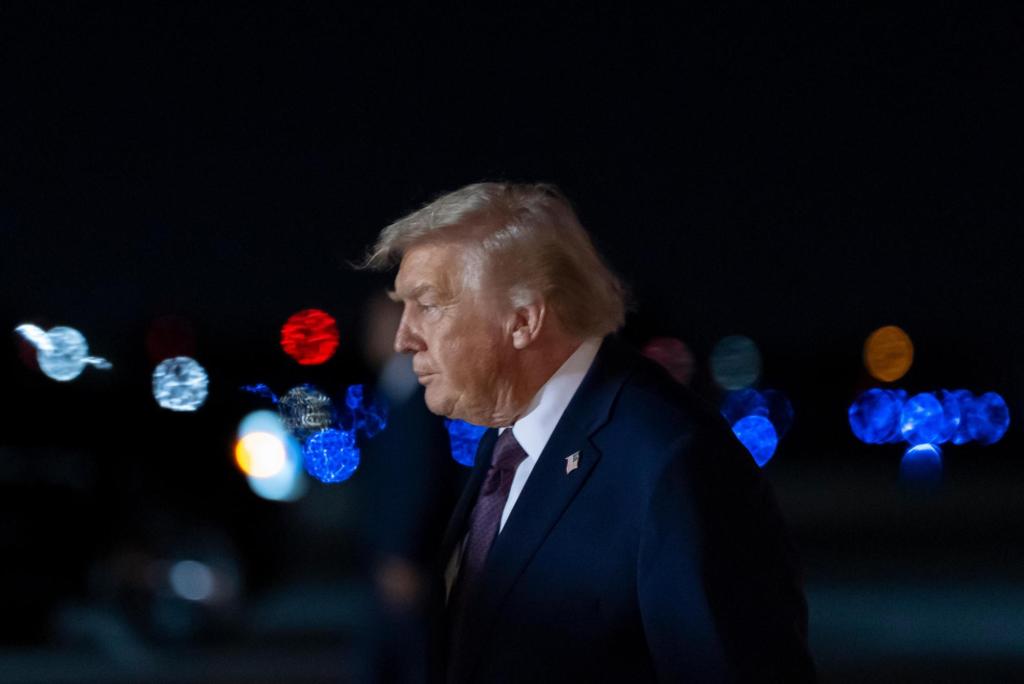
U.S. President Donald Trump announced via social media that the “powerful and deadly” airstrikes in Sokoto state were directed at IS gunmen who primarily targeted Christians. However, the ongoing security issues in Nigeria affect both Christians and Muslims, as reported by residents and analysts.
The Nigerian government, dealing with various armed groups, acknowledged that the U.S. strikes were part of a mutual effort in intelligence sharing and strategic collaboration. The exact impact of these strikes remains unclear, though U.S. Defense Secretary Pete Hegseth hinted at further developments, stating: “More to come…”
The Targeted Militants
Among the armed factions in Nigeria, two are linked to IS: the Islamic State West Africa Province in the northeast and the Islamic State Sahel Province (ISSP), also known locally as Lakurawa, which is active in the northwest. Analysts suggest that the U.S. targeted Lakurawa, a group that has become increasingly dangerous in Sokoto and Kebbi, often attacking remote villages and security forces.
Following a 2023 military coup in Niger, Lakurawa strengthened its presence in Nigeria’s border areas, worsening relations and affecting joint military operations between Nigeria and Niger.
The Impact on Local Communities
Initially brought in to protect communities from bandits, Lakurawa has since become a major threat. “Communities now openly say that Lakurawa are more oppressive and dangerous than the bandits they claim to protect them from,” said Malik Samuel, a Nigerian security researcher.
The group has been responsible for various atrocities, including killings, kidnappings, and robberies. Some incidents attributed to Lakurawa are believed to be the work of the ISSP, which has expanded its reach along the Niger-Nigeria border.
Underlying Causes of Insecurity
Nigeria’s security challenges are deeply rooted in governance issues rather than military ones. The absence of state presence in conflict areas, coupled with high poverty and unemployment levels, has facilitated the recruitment of militants. Nigerian Minister of Defense Christopher Musa stated that addressing the security crisis requires more than military intervention, emphasizing the need for good governance.
Samuel further explained, “The absence of the state in remote communities is making it easy for non-state actors to come in and present themselves to the people as the best alternative government.”
Significance of U.S. Involvement
The recent U.S. airstrikes are seen as pivotal support for Nigeria’s military, which has been overwhelmed by multiple security crises. While Nigeria has taken steps to strengthen its security forces, experts argue that military efforts alone are insufficient, as militants often relocate easily due to the region’s vast and interconnected forests.
Furthermore, militants frequently use hostages, including schoolchildren, as shields, complicating airstrike operations.