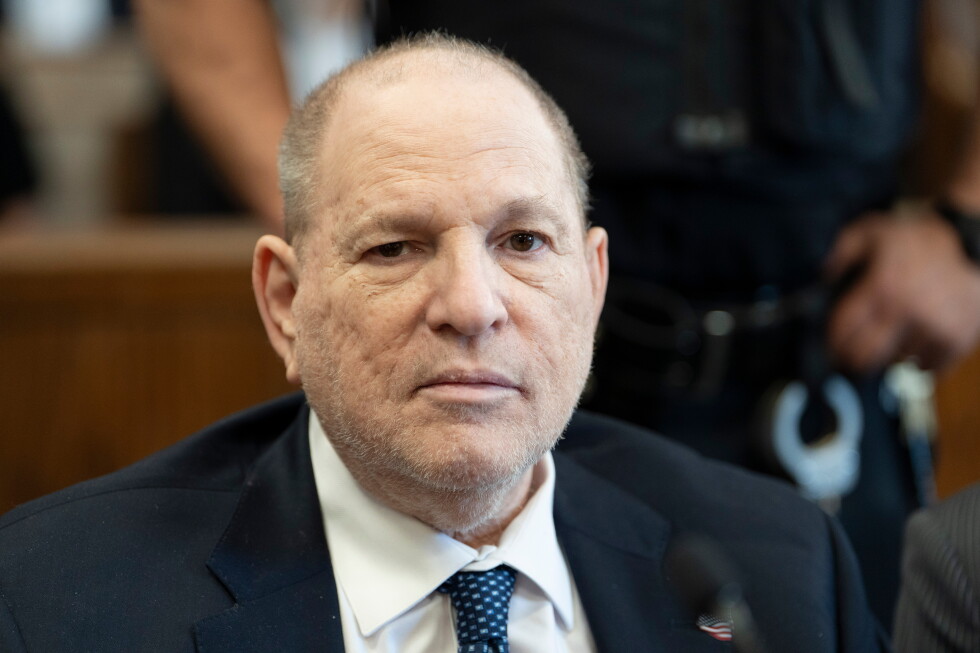
In a significant development, an appeals court in California has upheld Harvey Weinstein’s conviction for rape and sexual assault while simultaneously mandating a resentencing. This decision comes amidst ongoing legal battles for the former film producer, who faces multiple charges across different states.
The decision by a three-judge panel of the 2nd District Court of Appeal confirmed that Weinstein’s constitutional rights were not breached during his trial. The judges stated, “We reject his attempts to disturb the jury’s guilty verdicts.” However, the trial judge’s consideration of now-overturned New York convictions as a factor in sentencing led to the requirement for resentencing. Weinstein had previously received a 16-year prison sentence in California.
Weinstein’s spokesperson, Juda Engelmayer, expressed disappointment with the decision, stating, “We are disappointed by today’s decision and respectfully disagree with the Court of Appeal’s conclusions regarding the fairness of Mr. Weinstein’s trial. At the same time, the court correctly recognized that his sentence cannot stand.”
This ruling follows a recent decision by New York prosecutors to drop a fourth trial against Weinstein, citing the accuser’s reluctance to testify again. The California panel’s call for resentencing agrees with the state attorney general’s position that the previous judge’s consideration of invalidated New York convictions was inappropriate.
Currently, Weinstein, age 74, remains incarcerated and awaits sentencing in New York, where he also stands convicted of another sexual felony. Prosecutors there are pursuing a 20-year sentence.
In December 2022, Weinstein was convicted in California for raping and sexually assaulting an Italian model and actor, identified during the trial as Jane Doe 1, later revealed as Evgeniya Chernyshova. She has since filed a civil suit against Weinstein, publicly disclosing her identity with her attorney’s consent.
Chernyshova testified that Weinstein assaulted her in her hotel room during the 2013 LA Italia Film Festival. Weinstein’s defense argued that his trial was compromised as Judge Lisa B. Lench prevented questioning about Facebook messages between Chernyshova and festival head Pascal Vicedomini, which they claimed would show a sexual relationship and contradict her testimony.
Attorney Jennifer Bonjean, representing Weinstein, argued that the lower court’s decision substantially undermined his defense. However, the appeals court ruled that Weinstein had the opportunity to present his defense with other evidence, including another set of Facebook messages allowed by the judge, thus not violating his constitutional rights.
The court also noted that Weinstein’s legal team failed to comply with California’s rape shield law, which restricts the introduction of an accuser’s sexual history as evidence, when attempting to use these messages.
Weinstein denied the allegations, calling them a “made-up story” from someone he had never met. The Los Angeles jury acquitted him of other charges, including the sexual battery of a massage therapist, and was unable to reach verdicts on additional counts involving two other women.
Engelmayer indicated that the legal battle would continue, stating, “This is not the end of the appellate process. We intend to seek review in the California Supreme Court because we continue to believe significant legal errors affected the proceedings and warrant further review.”
The Los Angeles County District Attorney’s Office has yet to comment on the decision, and requests for comment from Chernyshova’s attorney remain unanswered.