Missouri Faces Federal Lawsuit Over Alleged Funding Disparities at Lincoln University

Historic funding inequalities between Missouri’s universities have led to a significant legal challenge. Students and alumni of Lincoln University have initiated a federal lawsuit, asserting that the state has persistently underfunded their institution compared to the University of Missouri. This lawsuit may set a precedent for Historically Black Colleges and Universities (HBCUs) across the nation.
The lawsuit was lodged in the U.S. District Court for the Western District of Missouri and is the inaugural case by the 1890 Project. This organization ensures compliance with the Second Morrill Act of 1890, which promises funding to land-grant universities for Black students.
Statistics reveal a stark funding gap, with federal reports indicating that between 1987 and 2020, Lincoln University received $361.6 million less per student in state appropriations than the University of Missouri. This discrepancy is part of a broader issue, as the Biden administration pointed out that 16 states owe over $12 billion to HBCUs. Notably, only Delaware and Ohio are fulfilling their financial responsibilities.
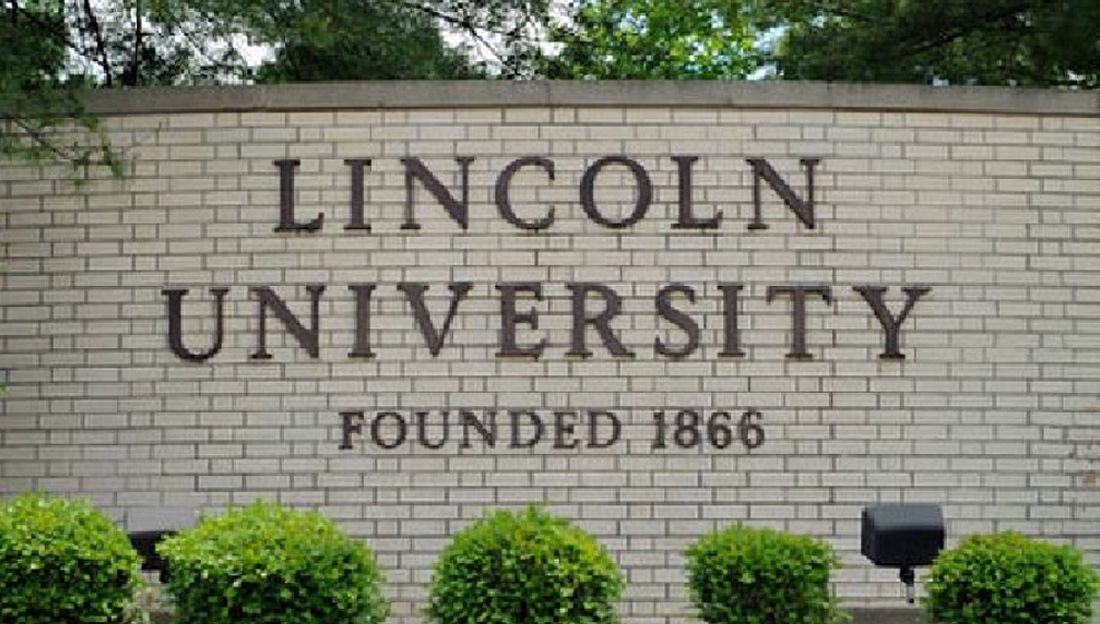
Lincoln University was designated as a land-grant institution in 1890, specifically for Black students, contrasting with the University of Missouri, established in 1839 for white students. “The ramifications of the underfunding are very present today,” remarked Don Calloway, a former Missouri legislator representing the plaintiffs, emphasizing the state’s failure to meet its statutory obligations.
The plaintiffs, comprised of current and former Lincoln students and an alumnus, seek a court mandate compelling Missouri to align its funding with federal requirements. This lawsuit echoes similar disparities highlighted by the 1890 Project across multiple states.
Despite its significance, Missouri officials, including the governor and attorney general, have refrained from commenting on the lawsuit. Lincoln University, not implicated in the legal proceedings, has also opted for silence on the matter.
The unfolding legal battle raises critical questions about the state’s commitment to equitable education funding, urging a reevaluation of what “equal” truly means in the context of public university support.
SEE ALSO:
Imagine If The ‘Cornell 7’ Case Occurred At An HBCU [Op-Ed]
Everything We Know About The New York Measles Outbreak