Penny Shortage Sparks Legislative Action in Arizona
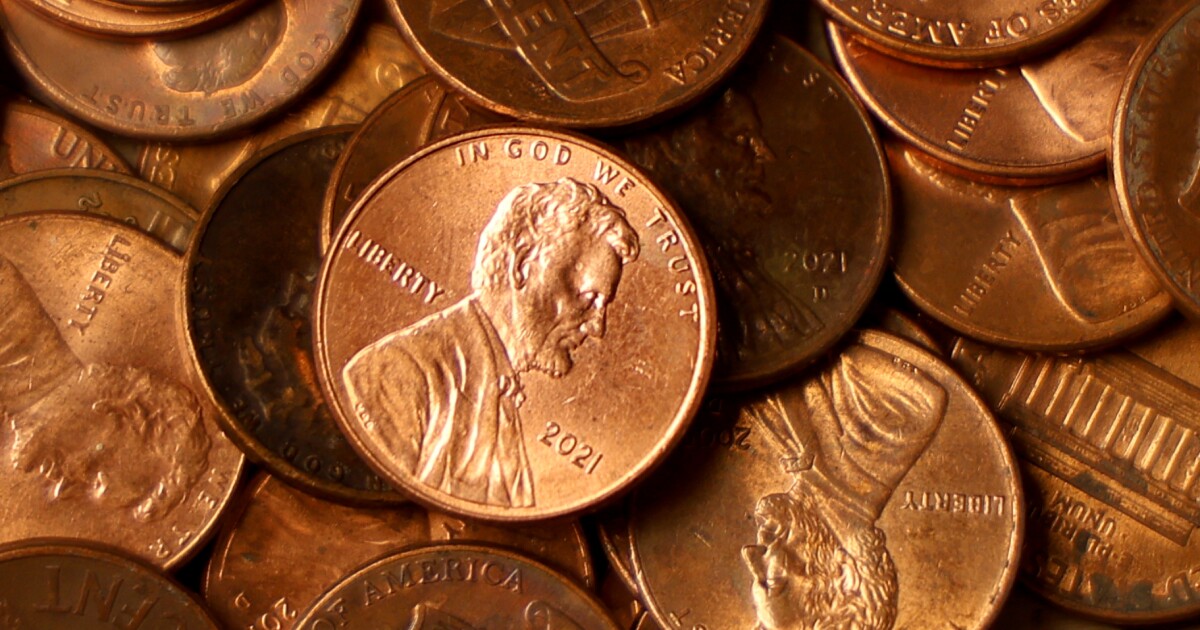
As the penny fades from circulation, Arizona lawmakers are stepping in to address the impact on daily transactions. The cessation of penny production by the U.S. Mint last November, due to the expense of minting each coin at 3.7 cents, has left retailers scrambling for solutions when transactions don’t end neatly in five or ten cent increments.
A bill known as SB 1108, proposed by Senator John Kavanagh, aims to implement “Swedish rounding” to tackle this issue. This system would see transaction totals rounded to the nearest nickel, thus simplifying cash payments. Specifically, totals ending in 1, 2, 6, or 7 would round down, while those ending in 3, 4, 8, or 9 would round up. Kavanagh emphasizes the need for uniformity to prevent potential abuses by merchants rounding consistently in their favor.
“The problem is that some merchants can consistently round up more than they should,” Kavanagh stated. He also noted that while the impact of rounding might seem trivial on small purchases, it could lead to significant gains for businesses handling large volumes of transactions daily.
This legislative approach isn’t unique to Arizona. Kavanagh describes the bill as “model legislation” crafted by the National Conference of State Legislatures, aimed at harmonizing consumer protection and operational simplicity. Support for the bill also comes from the Arizona Food Marketing Alliance, whose president, Lisa Bednar, advocates for the clarity it will bring to retailers. “SB 1108 is a simple, common-sense update that gives retailers clear, consistent rules for handling small-coin shortage at the register,” Bednar explained.
Under SB 1108, rounding is confined to the final bill, not individual items, ensuring that the maximum additional cost to a cash-paying customer is two cents. Non-cash transactions, such as those made with credit cards or electronic payments, remain unaffected by the rounding rule.
To ensure transparency, the legislation would require retailers to display a notice at the point of sale, informing customers that “Cash transactions are rounded to the nearest five-cent increment pursuant to state law.” This measure does not outlaw the use of pennies, nor does it mandate retailers to accept them, aligning with federal guidelines that do not compel businesses to accept any specific form of money.
In parallel, an ongoing legislative effort, HB 2555, seeks to mandate that merchants accept cash for purchases under $100, while prohibiting additional charges for cash payments. This proposal is currently pending further debate in the House.