A Federal Court Upholds Waiver for Environmental Laws in Border Wall Construction
An Arizona federal court has given the green light to bypass several environmental protection laws for the expedited construction of a border wall in southern Arizona, a decision that marks the end of a legal battle initiated last year.
The Trump administration had revealed plans to erect a 30-foot steel bollard wall across approximately 27 miles of the San Rafael Valley, a recognized biodiversity hotspot south of Tucson. This area is crucial for wildlife conservation, with endangered species such as ocelots and jaguars frequently moving between habitats in the U.S. and Mexico.
Under a 1990s statute, the Department of Homeland Security can waive the Endangered Species Act, the Clean Water Act, and other environmental and cultural protection laws required for federal land development. This authority was challenged by two environmental groups, who claimed it was unconstitutional.
Russ McSpadden, the southwest conservation advocate for the Center for Biological Diversity, was one of the plaintiffs challenging the project. He expressed concerns over the decision: “This decision leaves the unelected secretary of Homeland Security with sweeping and essentially unchecked power to waive dozens of bedrock laws in the name of border wall construction,” McSpadden said.
On Friday, U.S. District Judge Angela Martinez sided with the government, confirming the legality of the waiver authority and bringing the case to a close.
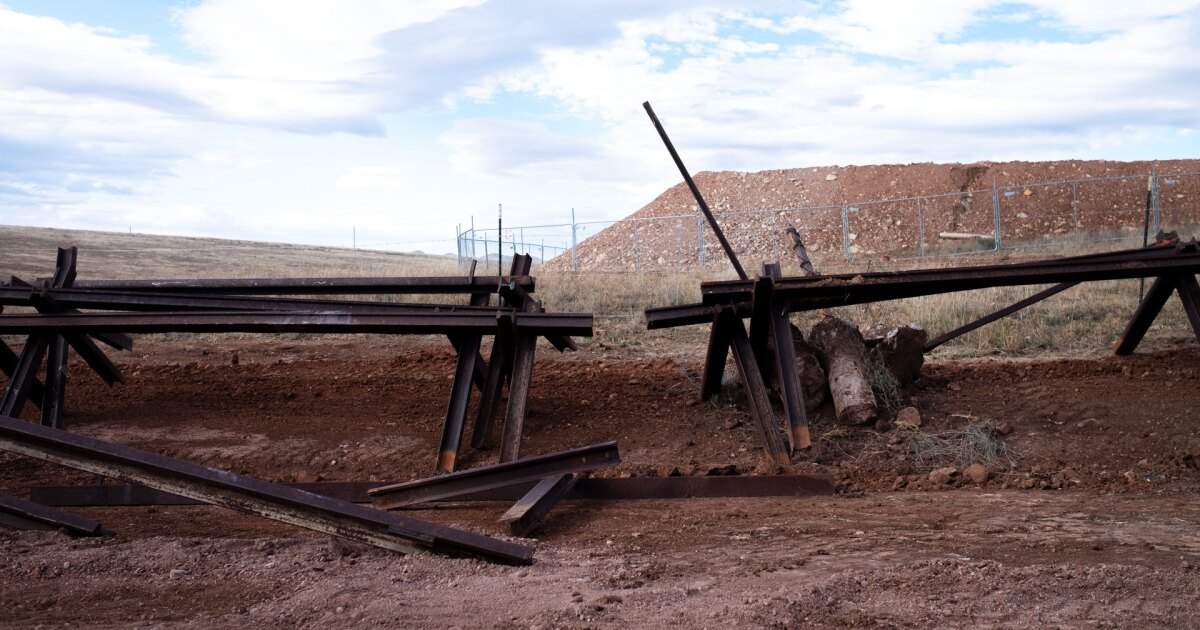
Despite the ongoing legal proceedings, construction of the border wall has progressed, with over five miles already completed in the San Rafael Valley. Dynamite is being used to clear the rugged terrain around the valley to facilitate the construction. According to McSpadden, the ruling comes amid broader plans by the Trump administration to extend the wall along the entire U.S.-Mexico border, including the potential construction of double walls in some areas.
“Again and again I think we’re seeing, you know, dangerous authority concentrated in this agency,” he said. “Across the landscapes of Arizona, and all the way to Minneapolis, these consequences are incredible.”
The Department of Justice did not provide comments on the ruling when requested.