USDA Invests $25 Million in New Arizona Facility to Combat Livestock Pest
In a significant move to protect the U.S. livestock industry, the U.S. Department of Agriculture (USDA) has announced a $25 million investment for a new sterile fly dispersal facility in Douglas, Arizona. This initiative aims to tackle the threat posed by the New World screwworm, a flesh-eating parasite that poses serious risks to livestock.
The USDA considers the release of sterile New World screwworm flies as the most effective strategy to eliminate the parasite. The process involves sterile flies mating with wild screwworm flies, thereby reducing the population. Currently, the U.S. has only one such facility, located in southern Texas.
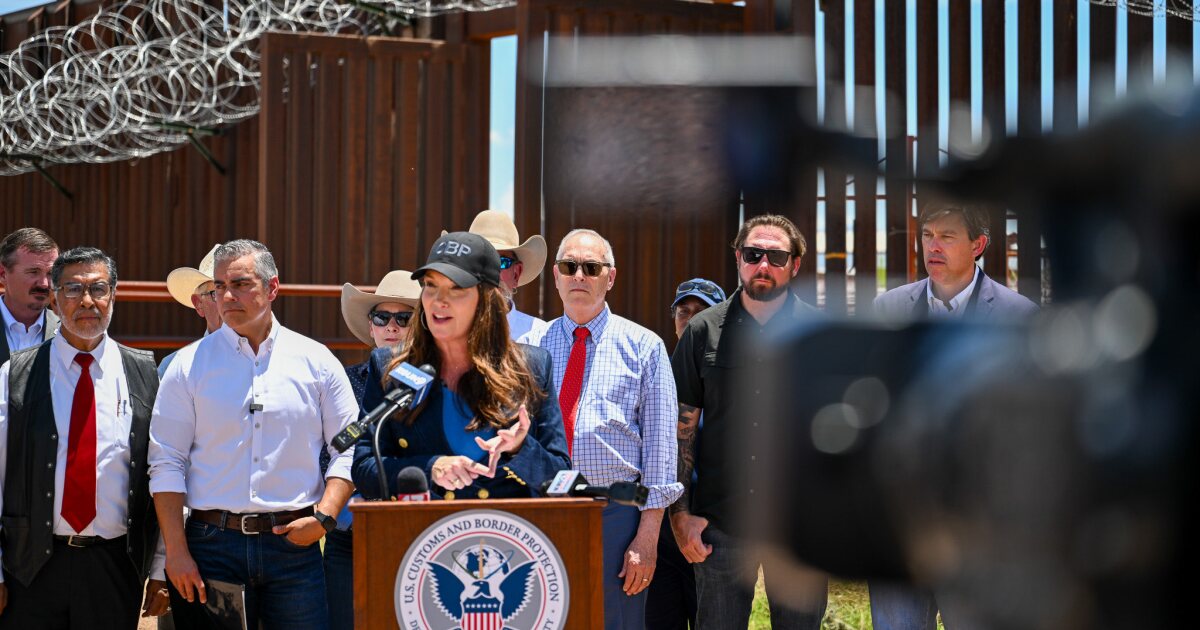
U.S. Secretary of Agriculture Brooke Rollins made the funding announcement during her visit to Douglas. @USDA tweeted about the commitment, highlighting the reopening of the Douglas Port of Entry to livestock trade on August 24.
LIVE from the southern border in Douglas, Arizona:
@SecRollins
just announced:🇺🇸 The Douglas Port of Entry will reopen to livestock trade on August 24.
🪰 @USDA is committing $25 MILLION toward a new sterile fly dispersal facility in Arizona.
Douglas is the… pic.twitter.com/OfCIrT2qu3
— New World Screwworm Rapid Response (@Screwworm_RR) July 29, 2026
Rollins emphasized the importance of this method in a social media post, stating, “The sterile insect technique is the only proven method to eradicate New World screwworm, and we will continue expanding this critical tool to protect America’s livestock and food supply.”
The border had been closed to livestock imports from Mexico for over a year to prevent the spread of the parasite but will reopen next month in Douglas. Although Arizona and Sonora, Mexico, have not confirmed any cases, both countries are actively addressing their respective outbreaks.
Arizona Governor Katie Hobbs also expressed her support for the new facility. In a post on X, she stated, “Arizona is already working with local leaders and livestock industry partners to protect our cattle from New World Screwworm. We hope the federal government will work with us to keep our cattle safe, lower the price of beef and ensure we block this pest from coming into our state with a new sterile fly dispersal facility.”