Colorado River Water Dispute: A Tense Tug-of-War Among Western States
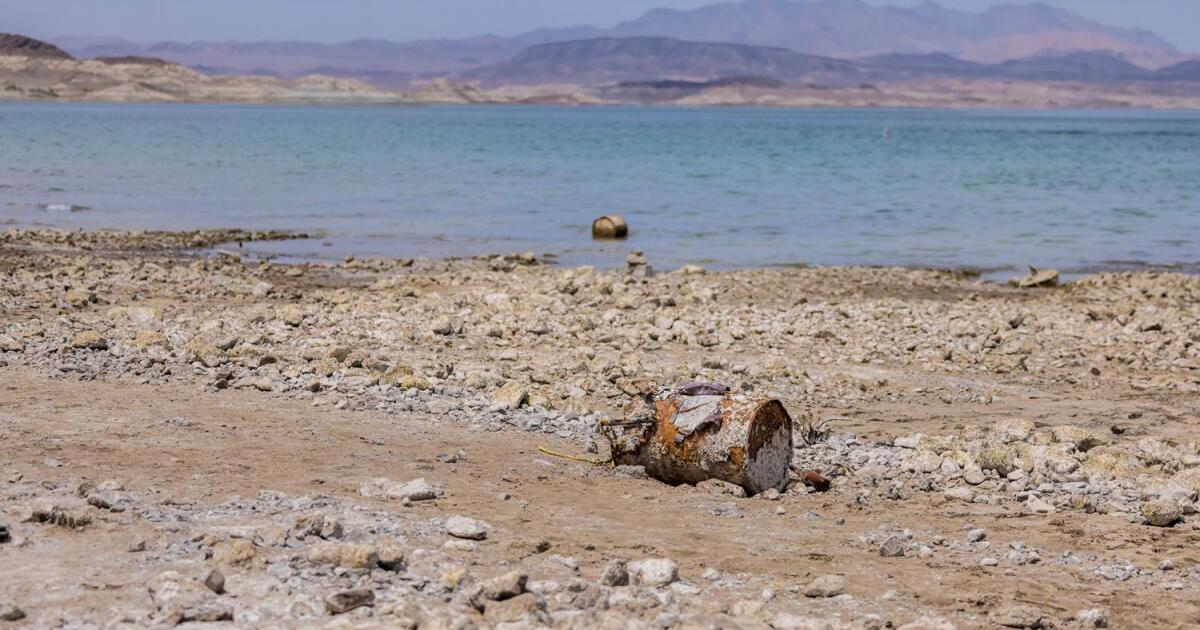
The Colorado River, a critical water source spanning 1,450 miles from the Rocky Mountains to the Gulf of California, is at the heart of an intense debate over water allocation. With water levels dwindling due to prolonged drought, the Bureau of Reclamation has received over 18,000 comments on its proposed water distribution plan, highlighting widespread dissatisfaction among stakeholders including states, cities, tribal nations, and industry groups.
The federal government’s Draft Environmental Impact Statement outlines drastic cuts for water users if a consensus is not reached by October. Among the proposed solutions, Arizona faces the most significant reductions, potentially as high as 58%, with Nevada following at 46%. In contrast, Upper Basin states like Colorado, New Mexico, Utah, and Wyoming remain largely unaffected by mandatory cuts, stirring discontent among Lower Basin states.
Arizona officials argue that the plan disregards prior voluntary reductions made by Lower Basin states. Thomas Buschatzke from the Arizona Department of Water Resources criticized the draft for assuming an increase in Upper Basin water usage, thus imposing an uneven burden on the Lower Basin.
Upper Basin states, however, contest that their water challenges, aggravated by diminishing snowpack and existing scarcity, have not been adequately considered. Jeffrey Woodruff from the Pitkin County Board of Commissioners emphasized the need for adjustments that account for the supply-demand disparities and protect critical reservoirs like Lake Powell.
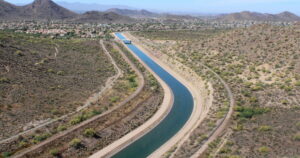
The controversy extends beyond state lines, impacting industries and communities reliant on the river. The Central Arizona Project (CAP), which supplies water to 80% of Arizonans, warns that the proposed federal cuts could cripple its operations, reducing its water allocation by up to 77%.
Arizona’s semiconductor industry, a priority for the federal government, depends heavily on this water supply, as pointed out by Governor Katie Hobbs. The CAP highlighted the economic significance of the Colorado River’s water, supporting millions of residents and key industries.
Despite differing perspectives, the draft plan has united Arizona’s political factions in opposition. Both Republican and Democratic congressional members have expressed concerns over the plan’s disproportionate impacts on the Lower Basin, which hosts the majority of the population and economic activity in the Colorado River Basin.
Historically, water rights were established by the Colorado River Compact of 1922, allocating 7.5 million acre-feet to both the Upper and Lower Basins. However, reduced river flows have strained this allocation, with the 2025 flow forecasted at approximately 8.5 million acre-feet, necessitating further mandatory reductions.
The agricultural sector, particularly in Yuma County, also faces significant challenges. Yuma’s farms, crucial to the nation’s winter vegetable supply, rely heavily on river water, yet the federal proposal threatens to disrupt this vital industry. Similarly, Arizona’s mining sector has voiced concerns, emphasizing the need for stable water supplies vital for copper production, a key component in numerous technologies.
As the Bureau of Reclamation reviews the comments and prepares to issue a final plan, the stakes remain high for all parties involved. The outcome will shape the future of water distribution in the region, influencing economic and environmental landscapes for years to come.