You’re reading The Briefing, Michael Waldman’s weekly newsletter. Click here to receive it in your inbox.
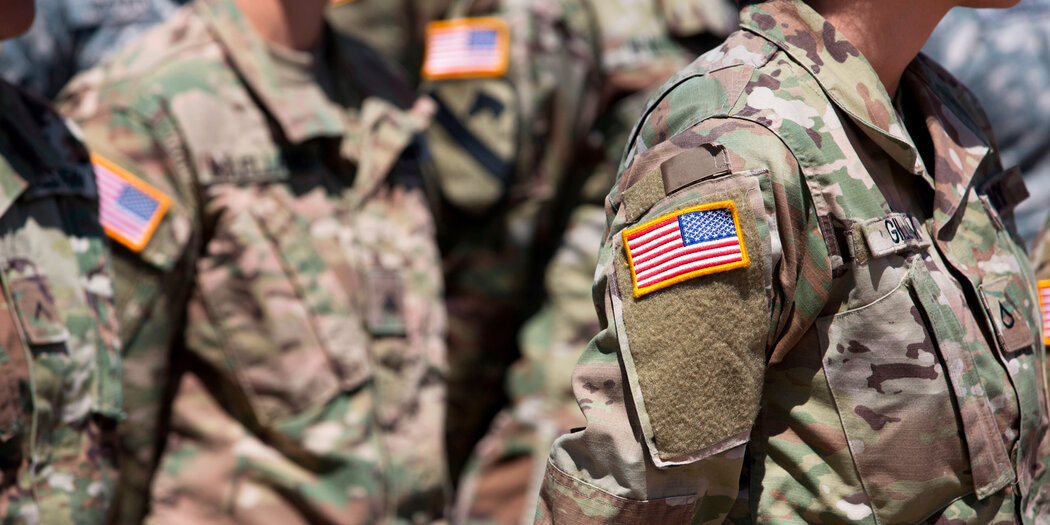
As debates intensify over the appropriate use of military power within the U.S., historical concerns about presidential overreach come to the forefront. The current discourse, fueled by President Trump’s recent threats, echoes the foundational fears about military control under presidential command.
The Insurrection Act Under Scrutiny
President Trump has recently turned his attention to cities such as Los Angeles, Portland, and Chicago, using the term “insurrection” to describe the situation in Portland. He claimed, “Portland is burning to the ground. It’s insurrectionists all over the place.” This statement, however, starkly contrasts his previous actions related to the January 6 insurrection.
Judge Karin Immergut, appointed by Trump, has taken a significant step by blocking the deployment of the National Guard to Portland. She underscored the importance of constitutional law over martial law, prompting White House aide Stephen Miller to accuse her of a “legal insurrection.”
The term “insurrection” seems to signal a nod to the Insurrection Act, a law offering presidents the power to deploy the military during extreme emergencies. Although Trump mulled invoking this act in 2020, he refrained after Defense Secretary Mark Esper’s objection. The Insurrection Act, a notable exception to the Posse Comitatus Act, has been cited only 30 times over 230 years.
Constitutional Concerns and Political Reactions
Trump has not minced words, stating, “We have an Insurrection Act for a reason.” This raises questions about the actual motivations behind domestic military deployment, be it to protect federal law enforcement or to counter non-existent threats.
Historical apprehensions resurface as the republic once again faces the possibility of military abuse. James Madison in Federalist No. 46 attempted to allay fears by emphasizing the power balance between federal and state governments. The Second Amendment emerged partly from states’ insistence on safeguarding their militias against federal disarmament.
Trump’s recent declarations, advocating for domestic cities as “training grounds” and referring to Democrats as a “gnat,” have prompted backlash. Governors from California, Illinois, and Oregon have expressed strong opposition.
Calls for Reform and Legislative Action
The judiciary and Congress are urged to act decisively. The Supreme Court’s hesitance to curb presidential power could jeopardize its credibility and democracy itself. Bipartisan efforts are underway to reform the Insurrection Act. Sen. Richard Blumenthal has proposed legislation to redefine deployment criteria and reinforce checks and balances, aligning with Brennan Center recommendations. Sen. Rand Paul criticizes military roles typically reserved for civilian law enforcement.
Liza Goitein from the Brennan Center emphasizes the Insurrection Act’s inherent dangers, insisting on its reform irrespective of the presidential occupant. As America approaches its 250th independence anniversary, the principle that “the law is king,” as Thomas Paine once stated, faces a crucial test.