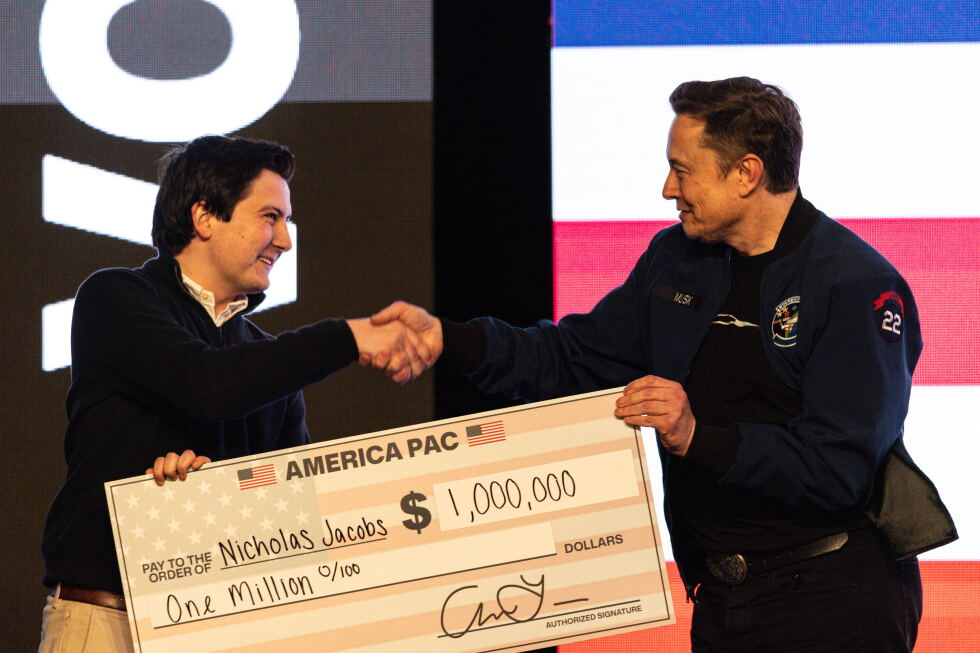
Elon Musk’s involvement in the 2025 Wisconsin Supreme Court election stirred controversy, but a state prosecutor has determined he will not face charges for alleged election bribery. Despite Musk’s promise to distribute $1 million to voters, the evidence did not support criminal prosecution, according to officials.
Musk’s Election Involvement
Elon Musk, known for his leadership at SpaceX and Tesla, played a significant role in the Wisconsin Supreme Court election by supporting Republican candidate Brad Schimel. However, Schimel was defeated by Democrat-backed Susan Crawford, maintaining the liberal majority in the court.
Controversial Social Media Post
Days before the election, Musk announced on social media that he would host an event in Green Bay exclusively for voters, promising to hand out two checks worth $1 million each. This post was quickly replaced, clarifying that the event was for petition signers opposing activist judges, and the money was for petition advocates.
Legal Proceedings and Prosecutor’s Decision
The Wisconsin Elections Commission had referred complaints to the Brown County district attorney, citing potential legal violations. However, due to a conflict of interest, La Crosse County District Attorney Tim Gruenke was appointed as a special prosecutor. Gruenke concluded that the circumstances did not constitute bribery, stating, “Either way the first post is perceived, in the end nobody was paid anything of value for voting or promising to vote.”
Gruenke also emphasized that, without tangible payments, and given the corrective nature of Musk’s second post, a conviction was unlikely. He remarked that, aside from Musk’s prominence and the large sum mentioned, it was essentially a miscommunication later rectified.
Spending and Legal Challenges
The Wisconsin Supreme Court election became the most expensive judicial race in U.S. history, with expenditures surpassing $100 million. Musk and his affiliates contributed over $20 million to support Schimel. Despite the financial backing, Schimel lost by a 10-point margin to Crawford.
Wisconsin’s Democratic attorney general attempted to block Musk from distributing the checks, but state courts dismissed the case. Musk’s legal team defended his actions as protected speech under constitutional rights, disputing any infringement on his freedom to offer financial incentives.
Musk’s representatives have yet to comment on the decision, while the legal and electoral implications of his involvement continue to be a topic of discussion.