Federal Reserve Chair Kevin Warsh Signals Independence Amid Inflation Concerns
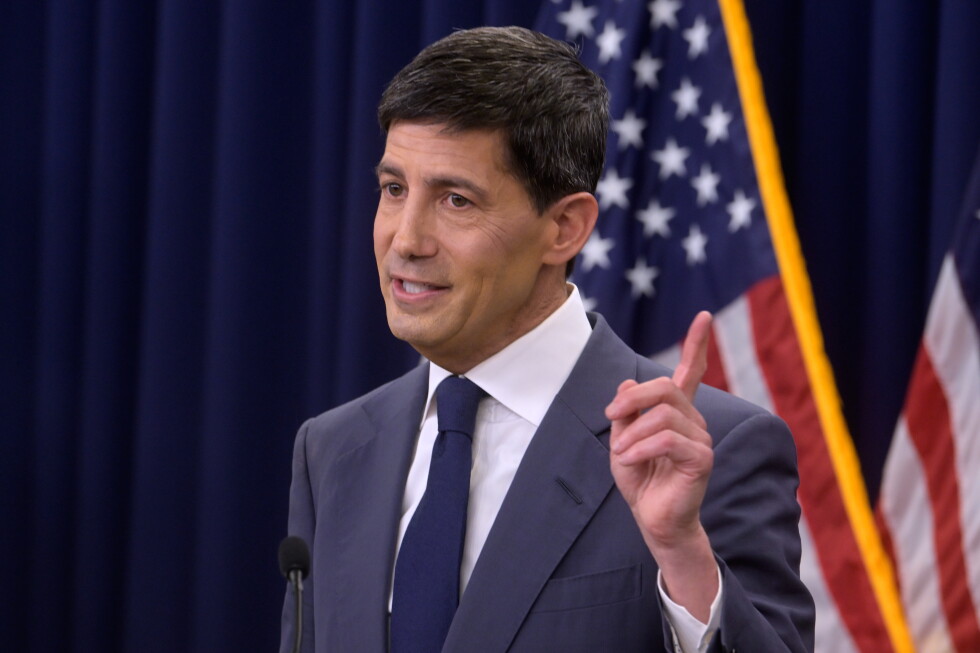
In a decisive move, newly appointed Federal Reserve Chair Kevin Warsh has emphasized the central bank’s independence while focusing on reducing inflation. This stance appears to counter President Donald Trump’s inclination for lower interest rates.
During a central bank conference in Sintra, Portugal, Warsh made it clear that the Federal Reserve is committed to maintaining price stability. Addressing the expectations of businesses and households, he stated, “I guess they’d be disappointed. We’re going to deliver price stability.”
Warsh’s comments highlight a shift since he assumed the position on May 22, replacing Jerome Powell. Although he previously advocated for lower rates, Warsh now prioritizes tackling inflation.
Despite being pressed for details on how the Fed plans to manage inflation, Warsh refrained from providing specifics, consistent with his opposition to forward guidance. “I’m not going to make a judgment now,” he commented during a panel discussion.
Wall Street investors anticipate that the Fed might increase interest rates, possibly in September, from the current 3.6% to around 3.9%. This speculation follows Warsh’s first news conference, where he reiterated the goal of bringing inflation down.
Recent shifts in the economy have seen inflation rise to a three-year high of 4.2%, driven by elevated gas prices due to the Iran conflict. However, a peace agreement has led to falling gas prices, suggesting a potential peak in inflation. The Fed might wait for these prices to stabilize before making further decisions.
Warsh also noted a decline in inflation expectations, both from public sentiment and financial market indicators, over the past month. A critical question remains whether Warsh will need to raise rates to reinforce his anti-inflation stance. Falling gas prices could influence this decision.
With hiring on the rise, economists predict a strong jobs report that could sustain the low 4.3% unemployment rate, reducing the need for rate cuts. Warsh also discussed the long-term potential of artificial intelligence in expanding economic productivity and easing inflation, though he acknowledged that these effects may take time to manifest.
Despite the short-term inflationary pressures from AI investment, Warsh has tasked five groups within the Fed to study AI and its economic impact. Reflecting on the current economic landscape, he remarked, “This is as exciting a time and also as consequential a time to be a central banker that I can think of at any point, maybe outside of a crisis, in my adult lifetime.”