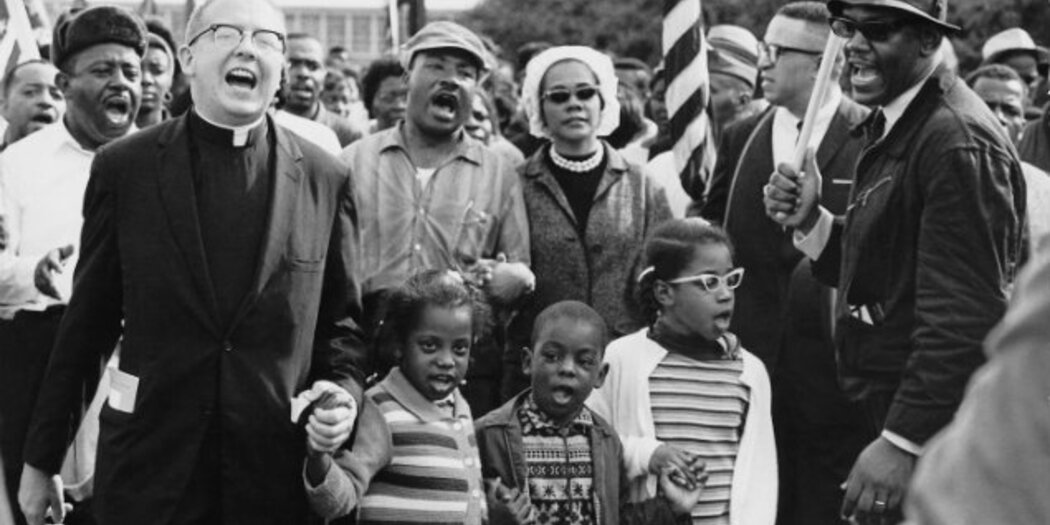
The Selma-to-Montgomery March: A Turning Point in Civil Rights History
As civil rights activists in Selma sought to renew their march to Montgomery in March 1965, a crucial intervention by the judiciary played a pivotal role. This march, deeply rooted in the struggle for voting rights, faced significant obstacles but ultimately became a landmark event in American history.
On March 9, 1965, just two days following the infamous “Bloody Sunday,” Martin Luther King Jr. learned that U.S. District Judge Frank Johnson had temporarily halted the march. The suspension was to consider the request by King and the organizers to prevent state and local authorities from obstructing their plans. In a moment of reflection and solidarity, King led around 2,000 supporters to the Edmund Pettus Bridge for a prayer session.
After a tense eight-day wait, Judge Johnson issued a decision that allowed the march to proceed according to the detailed plan submitted by the civil rights leaders.
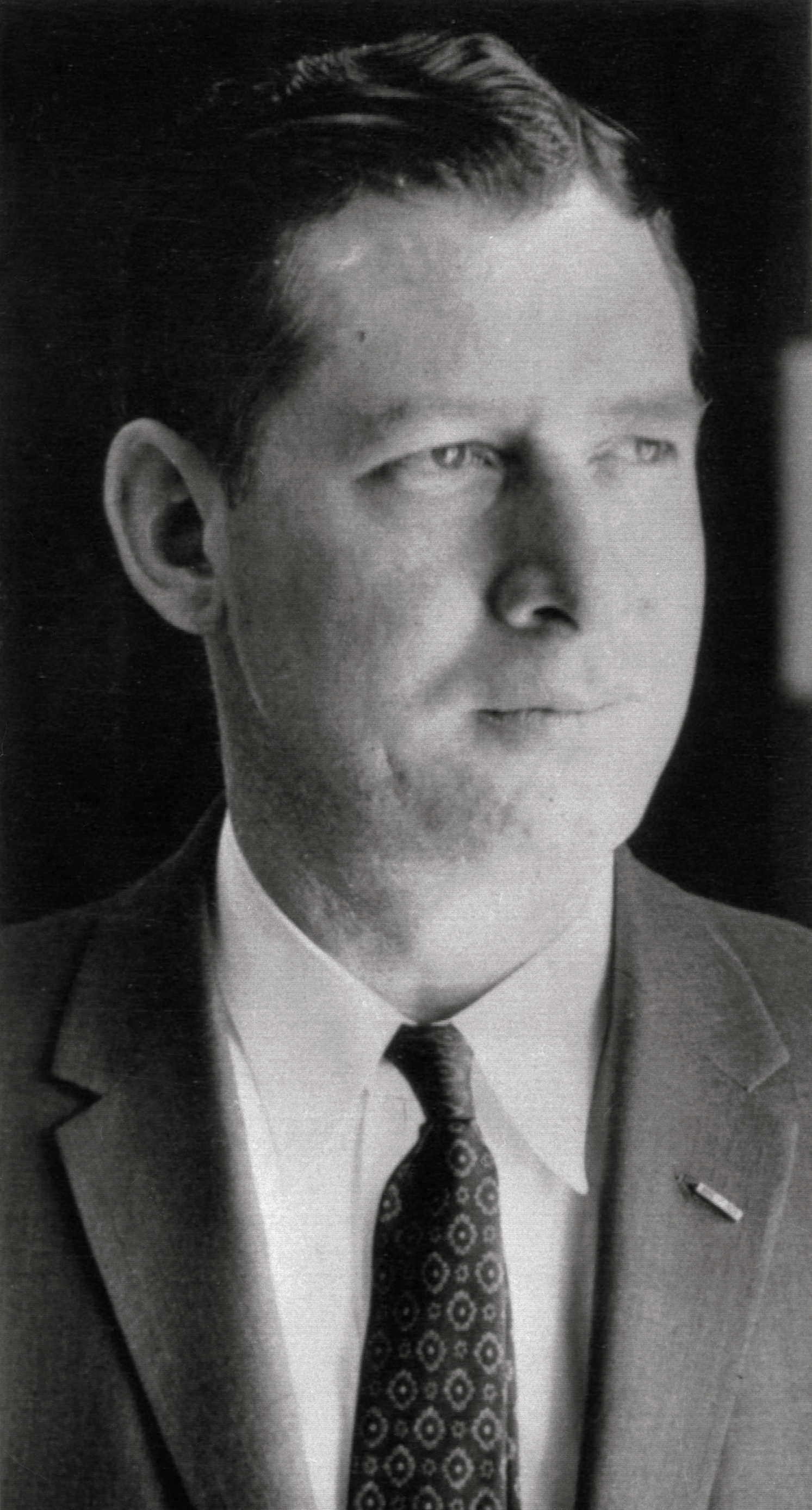
The judge’s ruling began with an account of the harsh treatment faced by would-be voters from state and local authorities. Judge Johnson stated that these actions were not aimed at enforcing any legitimate Alabama law but rather at preventing African American citizens from exercising their voting rights.
Judge Johnson articulated that while a march from Selma to Montgomery was a dramatic act, it was appropriate and constitutional: “The law is clear that the right to petition one’s government for the redress of grievances may be exercised in large groups. Indeed, where, as here, minorities have been harassed, coerced and intimidated, group association may be the only way of exercising such rights.” To protect the marchers’ constitutional rights, he not only prohibited interference from officials but also mandated police protection for the march.
Following a series of appeals by Alabama officials, the march began on March 21 under the protection of the Alabama National Guard, although under federal command since Governor George Wallace claimed insufficient state funds for protection. Four days later, the marchers reached Montgomery triumphantly.
However, the march was marred by violence on both ends. Before the march could start, Rev. James Reeb, a white Unitarian minister from Boston, was fatally attacked in Selma. After the march, Viola Liuzzo, a white woman from Detroit, was killed by Ku Klux Klan members while driving marchers between Selma and Montgomery.