Judge Halts Pentagon’s Media Escort Requirement Amid Legal Dispute
In a significant blow to the Trump administration’s efforts to restrict media access, a federal judge has issued an order to suspend the Pentagon’s requirement that journalists be accompanied by an official escort. This judicial decision follows a lawsuit by The New York Times, challenging the restrictions imposed by the Department of Defense.
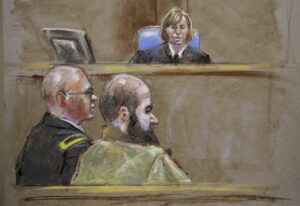
U.S. District Judge Paul L. Friedman, based in Washington, found the policy to be in violation of the First Amendment. On Tuesday, he issued a preliminary ruling halting the escort requirement while the Times continues its legal battle. Although the order’s language seemed specific to The New York Times, the escort policy affects all journalists.
The legal confrontation began when the Times filed its second lawsuit against the Defense Department in May, amidst growing tensions between the U.S. media and the Republican administration. The Times celebrated Judge Friedman’s decision, emphasizing the reaffirmation of press freedom.
“Today’s well-reasoned decision reaffirms the First Amendment rights of the press to cover the Pentagon without restrictions designed to prevent the public from knowing what the military is doing,” stated Charlie Stadtlander, a spokesperson for the Times. “The court recognized that the Pentagon’s hastily implemented new policy was a clear violation of the Constitution.”
However, Pentagon spokesperson Sean Parnell expressed strong disagreement with the ruling on X, arguing that it undermines essential security measures. “This ruling strips away reasonable security measures and will make it easier for sensitive and classified information to reach our adversaries,” Parnell posted.
He further contended that allowing journalists unescorted access could lead to unauthorized disclosures of military operations and intelligence, emphasizing the critical need for safeguarding military secrets.
The initial lawsuit by the Times was filed in December, following Defense Secretary Pete Hegseth’s imposition of rules aimed at limiting media access. The escort policy, introduced in March, followed a previous ruling by Friedman against restrictions that he deemed violated the rights of Times reporter Julian E. Barnes. Despite a subsequent ruling in April declaring the interim policy as a violation, an appeals court stayed part of Friedman’s decision, allowing the escort requirement to remain while the appeal is pending.
In protest against Hegseth’s restrictions, the Times and other media outlets walked out of the Pentagon in October. They have continued to report on military affairs from outside the building, while a newly approved press corps operates within the Pentagon.