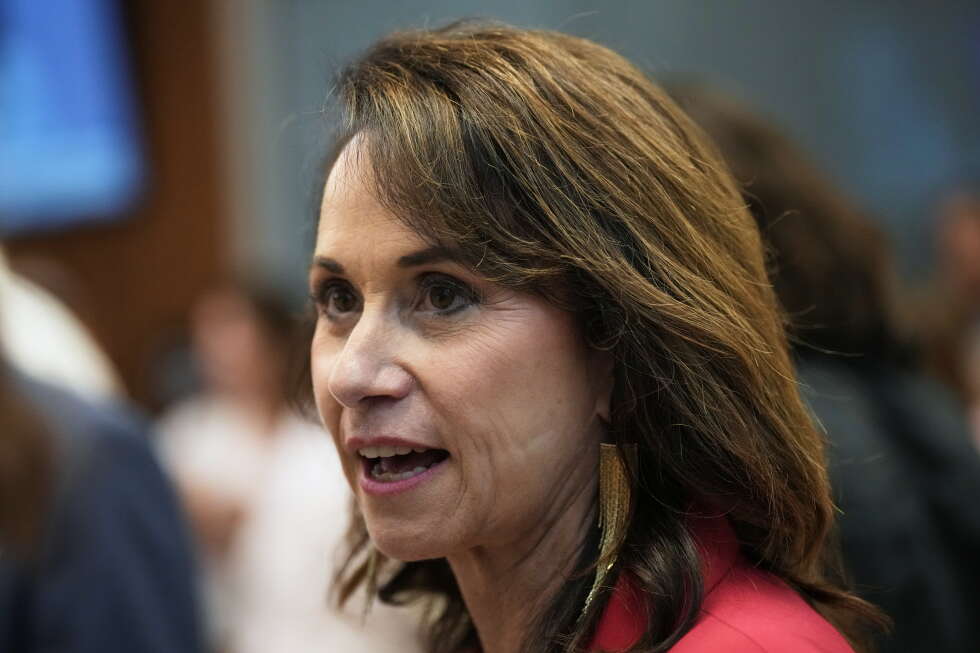
In a surprising turn of events, the Louisiana Supreme Court has paused the legal proceedings against the state’s Attorney General, Liz Murrill. This decision comes just a day after she faced indictment charges, which included allegations of threatening officials in New Orleans. The case has become a focal point of political tension between the state’s Republican leadership and the Democratic governance of New Orleans.
The Supreme Court’s intervention highlights procedural lapses in the indictment process, with reports indicating that media access was improperly restricted during the grand jury proceedings. This stay effectively suspends the case for the time being. Murrill, a member of the Republican Party, has expressed her intention to seek a full dismissal of the charges, citing them as politically motivated.
The Supreme Court Questions Indictment Validity
The indictment, consisting of 16 counts, accused Murrill of intimidation and malfeasance. However, the state’s highest court identified significant issues with the charges. Justice Jay McCallum, representing the court, noted, “This indictment appears to turn the law on its head and flows from what appear to be extraordinary procedural defects and improprieties.”
The court identified potential conflicts of interest involving Laurie White, the special prosecutor behind the charges, who is concurrently being defended by the Attorney General’s office in an unrelated sexual harassment case. Additionally, the legal basis for the intimidation charge was scrutinized, as the alleged threats do not meet the statutory requirement of being “unlawful or include a threat of bodily harm or death.”
The court’s order was supported by four Republican justices and one Democrat, while one Democrat and an independent dissented. Justice John Guidry, who dissented, criticized the court’s swift action, arguing that “Due process and equal protection under the law does not allow anyone to cut the line and have their matters considered more preferentially than others.”
Political Ramifications and Controversies
The legal case is steeped in political controversy, originating from significant changes in the New Orleans court system. Earlier this year, the state decided to merge the criminal court clerk position with another office, effectively eliminating the role. This decision followed the election of Calvin Duncan, whose murder conviction had been vacated, to the criminal clerk position. Despite his listing on the National Registry of Exonerations, Murrill and other GOP officials have not acknowledged his exoneration.
Murrill’s correspondence with New Orleans officials, warning them against supporting Duncan for the merged clerk role, forms part of the case against her. She maintains that her actions were in line with her official duties. In response to the indictment, Louisiana Governor Jeff Landry, a fellow Republican, expressed his intent to pardon Murrill and urged a state police investigation into the grand jury’s conduct.
Governor Landry, in expressing gratitude to the Supreme Court, labeled the indictment as “a political witch hunt” targeting Murrill.