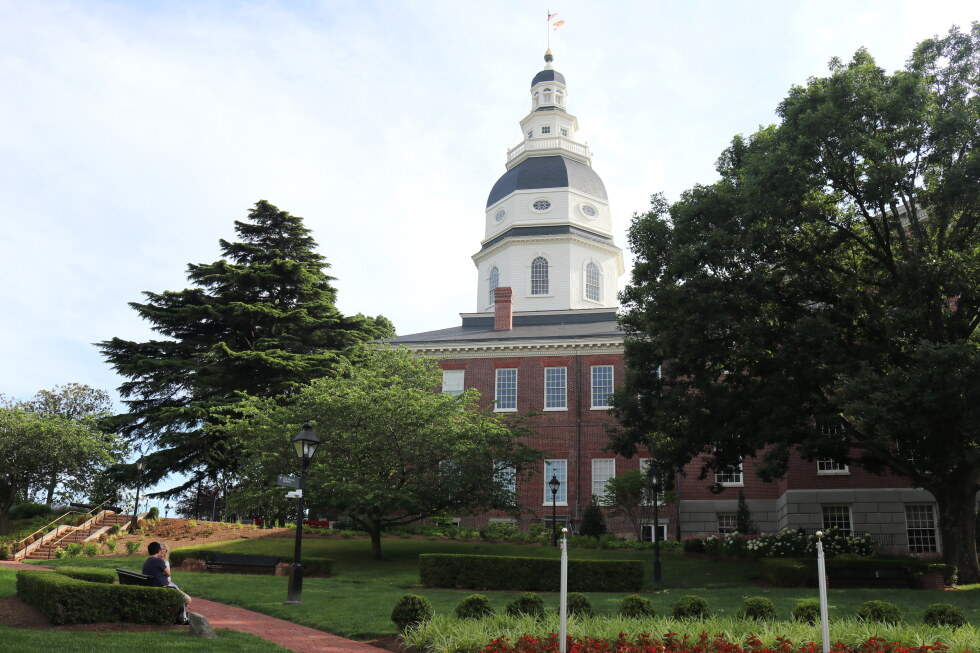
In a significant move that could reshape Maryland’s political landscape, state lawmakers will convene next month for a special session to deliberate on a constitutional amendment regarding congressional redistricting. This decision comes after an earlier effort to redraw the state’s political boundaries failed, leaving Democrats seeking new strategies to solidify their hold.
This initiative is part of a broader national contest over partisan redistricting, which has played a pivotal role in modifying the U.S. House map ahead of the upcoming midterm elections. With potential implications extending to the 2028 election cycle, Maryland’s actions are drawing considerable attention.
The Democratic-majority Maryland General Assembly is set to gather on August 3. Their aim is to propose a constitutional amendment to voters that could eventually pave the way for an 8-0 Democratic congressional map. Currently, Democrats hold a 7-1 advantage, with Rep. Andy Harris as the sole Republican representative.
While the exact wording of the amendment remains undisclosed, legislative leaders emphasize that it will address a 2022 court decision that previously invalidated a proposed map. This map had been designed to make Harris’s district more competitive for Democrats.
For the amendment to proceed, it requires a three-fifths majority approval from both legislative chambers. If successful, it will be presented to voters in the November 3 general election. A favorable outcome could lead lawmakers to reconsider and potentially alter the congressional maps for upcoming election cycles.
“Maryland needs a durable, transparent constitutional framework for congressional redistricting that reflects the evolving legal landscape,” House Speaker Joseline Peña-Melnyk remarked. “This special session gives the General Assembly the opportunity to respond thoughtfully to recent court decisions while ensuring that Maryland voters have the final say on any proposed constitutional changes.”
Maryland Republicans, however, view this move with skepticism, labeling it a power grab. Senate Minority Whip Justin Ready criticized the session, stating, “One Republican Congressman represents hundreds of thousands of Marylanders who deserve a voice in Washington. This special session is designed to erase that voice and hand national Democrats another seat in the U.S. House.”
Redistricting typically follows the decadal census to align with population changes. However, recent years have seen calls for mid-decade adjustments, with influences from former President Trump urging Republicans to redraw districts to mitigate midterm losses. Democrats have responded with their own redistricting strategies.
The U.S. Supreme Court’s decision in April weakened the Voting Rights Act, providing new opportunities for Republicans to redraw districts in Southern states with significant minority populations typically voting Democrat. Republicans anticipate gaining up to 10 additional House seats under these new configurations.
Earlier this year, Maryland’s House approved a map that would have favored Democrats in all eight congressional seats, but it stalled in the Senate. Senate President Bill Ferguson expressed concerns that such a move might face challenges under judicial scrutiny. Governor Wes Moore has been a vocal advocate for renewed redistricting efforts, acknowledging the need to revisit and complete the task.