The provisional implementation of a significant trade agreement between the South American Mercosur bloc and the European Union has commenced, marking a pivotal moment in transatlantic economic relations. This agreement, which has been in the works for over two decades, establishes a market valued at approximately $22 trillion, potentially impacting 720 million consumers by increasing exports by more than 10% by 2038.
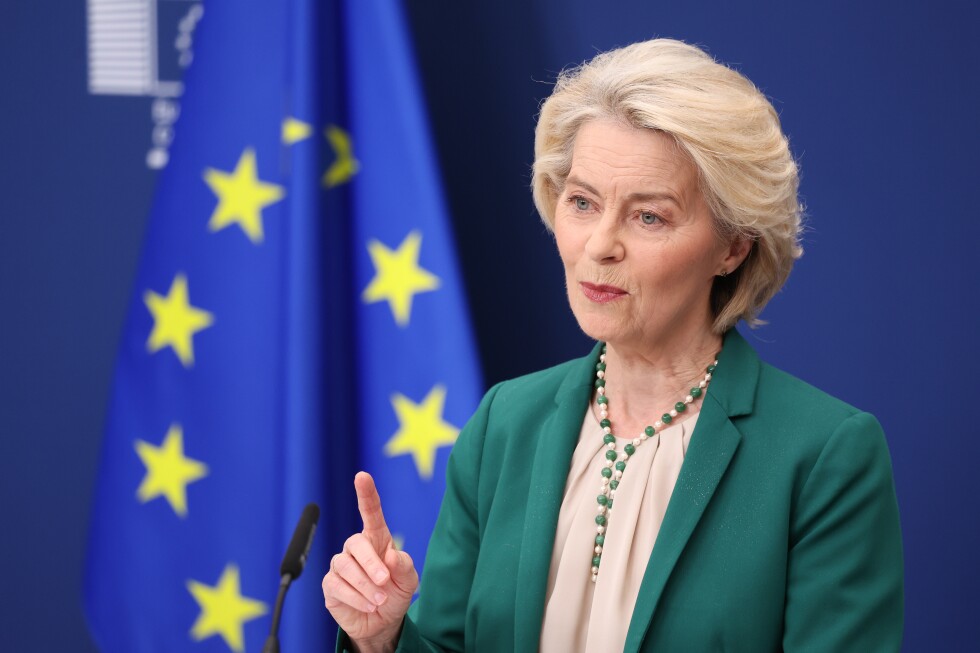
The deal was initially signed on January 17 at a South American group meeting. European Commission President Ursula von der Leyen recently took steps to provisionally enact the agreement, bypassing the European Parliament, a move currently being contested at the EU’s judiciary. Should the judiciary rule against it, the agreement may be paused.
Von der Leyen expressed optimism about the agreement, stating, “This is good news for EU businesses of all sizes, good news for our consumers and good news for our farmers, who will gain valuable new export opportunities, with full protection for sensitive sectors.” A videoconference is planned with Mercosur leaders from Brazil, Argentina, Uruguay, and Paraguay to commemorate the deal.
Brazil’s President Luiz Inácio Lula da Silva has been a strong advocate for the agreement. He recently signed a decree to validate the deal in Brazil, framing it as a response to protectionist measures by the U.S. and as a reinforcement of multilateral cooperation. Lula commented, “Nothing better than believing in the exercise of democracy, in multilateralism, and in cordial relations between nations.”
Brazil, representing the largest economy in Mercosur, with a projected GDP exceeding $2.3 trillion by 2025, sees the deal as essential to keeping pace with global competitors. Brazil’s vice president, Geraldo Alckmin, emphasized the importance of the agreement, noting that without it, Mercosur would risk falling behind other nations forming similar partnerships.
Despite its passage, the agreement has faced criticism, particularly from European farmers and environmentalists, resulting in delays and legal challenges. South American sectors such as beef, fruit, and minerals are anticipated to gain export opportunities in Europe, while European industries, including automotive, pharmaceuticals, and technology, aim to deepen their presence in Mercosur markets.
Challenges remain, with concerns from Mercosur businesses about competition from European companies in technology sectors and European farmers worried about price pressures and differing environmental standards. French President Emmanuel Macron has called for safeguards to mitigate economic disruption, including regulations on pesticide use and increased import inspections.
The trade agreement aims to gradually eliminate tariffs and trade barriers while incorporating protective measures for European industries vulnerable to competition, such as poultry, beef, sugar, and fruit sectors.