A pivotal chapter in the unresolved case of missing Navajo elder Ella Mae Begay has closed with the sentencing of Preston Henry Tolth, the sole individual charged in connection to her 2021 disappearance. This case has cast a spotlight on the disproportionately high rates of violence against Native Americans.
In a Phoenix courtroom, U.S. District Judge Douglas Rayes endorsed an agreement where Tolth, who pleaded guilty to robbing Begay, was sentenced to five years in federal prison. With the plea deal, Tolth received credit for three years already served. Prosecutors dismissed an assault charge and agreed not to pursue further charges should new developments arise in Begay’s case.
The resolution of this protracted case, hindered by scant physical evidence, was marked by the exclusion of a confession from Tolth, also a Navajo, due to legal technicalities. Family members, including Begay’s niece, voiced their opposition to the agreement, urging Judge Rayes to dismiss it unless Tolth aided in locating Begay.
“A 62-year-woman is still nowhere to be found. No amount of time is enough if he won’t tell us where she is,” said Seraphine Warren, who left the courtroom after realizing the plea agreement would proceed.
Begay, a cherished grandmother and skilled weaver, disappeared from her Sweetwater, Arizona, home on the Navajo Nation in June 2021. Her case has become a poignant example during a week dedicated to raising awareness for the Missing and Murdered Indigenous Peoples movement.
Over the past years, Begay’s family has actively sought answers, organizing searches and advocating for more law enforcement action. Activists have likened Begay’s case to that of Gabby Petito, whose disappearance received widespread media attention in the same summer.
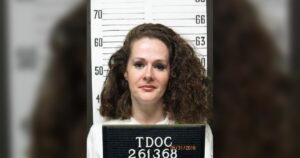
Authorities pinpointed Tolth as a suspect shortly after Begay’s disappearance. Although he initially denied involvement, Tolth later confessed to stealing her truck and assaulting her after being misled by an FBI agent about evidence—a tactic ruled impermissible by the court.
With the confession invalidated, U.S. Attorney Tracy Van Buskirk stated the plea agreement was the best possible resolution, noting Tolth’s lack of familiarity with the Sweetwater area and his intoxication on the night of the crime.
In court, Gerald Begay, Ella’s son, condemned the agreement as a “failure,” expressing his discontent with the case’s resolution.
Defense attorney Jane McClellan noted Tolth’s admission of guilt and his cooperation in attempting to locate Begay, adding, “He is remorseful for his actions. He has taken responsibility for his actions.”
Judge Rayes had previously rejected a plea deal that allowed for Tolth’s release after three years, deeming it too lenient. Begay’s family had expressed a preference for a trial.
Michael Henderson, director of public safety for the Navajo Nation, emphasized the ongoing importance of finding Begay. “One of the hindrances is that the federal investigation is still pending,” he said. Once federal authorities conclude their investigation, the Navajo Nation police may gain access to new information to aid their search.