In a landscape where collegiate sports are grappling with fiscal challenges, some programs are finding innovative ways to stay afloat, while others are not as fortunate. The NCAA’s decision to expand March Madness to 76 teams has created a temporary financial boon through new sponsorships from the alcohol industry, but many sports remain under threat.
The expansion of March Madness will generate an additional $300 million over the next six years, with approximately $131 million earmarked for conferences participating in the tournaments. This move is seen as a critical effort to navigate the complex financial landscape of college sports, according to Dan Gavitt, who heads Division I basketball for the NCAA. “The NCAA and conferences and schools generating revenue in responsible ways is important in the current environment with revenue sharing,” he noted.
Program Cuts and Financial Strain
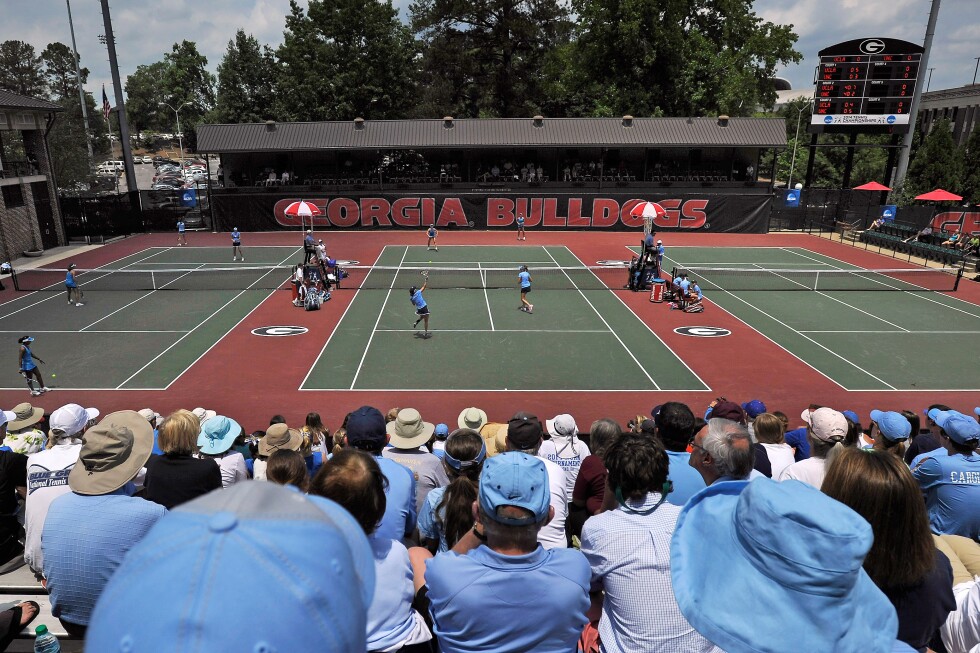
Despite these efforts, some programs face cuts. The tennis team at Arkansas and golf at Wichita State are among the sports programs being axed as schools across the nation reassess their budgets. These cuts highlight the ongoing financial pressure in college sports, even within affluent conferences like the SEC.
Sports attorney Gabe Feldman posed a poignant question regarding the sustainability of these programs on a podcast with North Carolina’s athletic director, Bubba Cunningham. Cunningham suggested a future where athletes might have to pay to play. “One is you will be paid to play your game and other is you’ll have to pay if you’re going to play your game,” he said. This model might become more prevalent, especially in sports such as tennis and golf.
The elimination of these programs not only impacts the schools but also the U.S. Olympic pipeline. “You want to see Olympic sports survive and thrive,” said Paia LaPalombara, a legal expert in college sports. “But those are going to be the ones generally on the chopping block.”
Innovative Revenue Streams
Some schools are turning to creative means to boost their finances. Duke recently secured a deal to stream basketball games on Amazon, a move that could be lucrative and indicative of a new trend in sports broadcasting. Similarly, Georgia and Florida State have explored rescheduling games potentially in collaboration with streaming services, highlighting a divide between well-funded programs and smaller schools.
The Big 12 has also explored private equity to secure loans, providing up to $30 million for each of its member schools. However, not all institutions are on board with such financial strategies. Cody Campbell, a regent chair at Texas Tech, likened these equity deals to “payday loans,” expressing skepticism about their long-term viability.
Challenges for NIL Regulation
Amidst these financial maneuvers, the College Sports Commission (CSC) faces scrutiny as the governing body for Name, Image, and Likeness (NIL) compensation. Formed from a House settlement, the CSC’s authority is being tested, particularly in arbitration cases concerning NIL deals at Nebraska. The reluctance of schools to sign participation agreements further complicates its role.
LaPalombara commented on the CSC’s struggles: “That’s the true test of the efficacy of the CSC as an actual governing body.” The outcome of any ensuing litigation will be crucial in determining its future role.
For more on March Madness, visit AP March Madness.