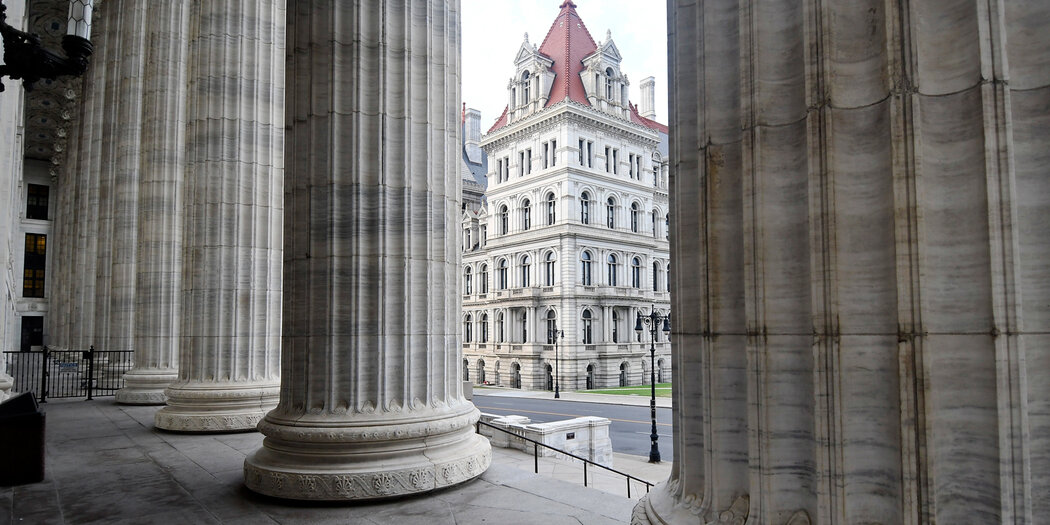
New York’s innovative approach to campaign financing is making waves across the state. As the state gears up for the 2026 election cycle, its public campaign financing program, which debuted last year, is drawing significant attention for its potential to shift the political fundraising landscape away from the influence of wealthy donors.
Last year’s introduction of New York’s small donor public financing program marked a pivotal moment in campaign finance reform. This initiative was crafted to empower everyday citizens by encouraging legislative candidates to seek financial support from their communities instead of wealthy donors and special interest groups. Seen as a robust response to the Supreme Court’s 2010 Citizens United decision, the program has been hailed as a significant step towards reducing the sway of big money in politics. For more information about the Citizens United decision, click here.
Recent polling conducted by Data for Progress and Citizen Action of New York reveals strong voter support for the program. The numbers indicate that New York voters support the initiative by nearly a 41-point margin. This represents an increase from last year’s 34-point margin, demonstrating growing public favor.
The survey highlighted that 89 percent of New Yorkers believe wealthy donors exert too much influence over politicians. Additionally, two-thirds of the electorate expressed a desire for their representatives to address this imbalance. After learning about the public financing program, over 60 percent of voters showed their support, with majorities from various state regions like Long Island, the Capital Region, Mid-Hudson, and Western New York backing the initiative. This support spans across different demographic groups, encompassing race, age, and political affiliations.
When voters were informed about the program’s estimated costs, nearly two-thirds voiced their desire for continued funding to maintain its efficacy. This sentiment was echoed across party lines, further underscoring the program’s widespread appeal.
The program’s inaugural run had a tangible effect on political fundraising. Public matching funds resulted in a shift toward small donations, which rose from less than 5 percent in prior cycles to 45 percent in 2024. Concurrently, the portion of funding from affluent individuals and corporations fell from over 70 percent in past elections to 38 percent in the last legislative cycle. This change was evident across New York, with candidates from diverse districts participating and receiving more donations from local small donors than in previous years. To learn more about the program’s impact, click here.
Looking ahead to the 2026 elections, ninety candidates, spanning various parties and regions, have already committed to the program. These include both returning participants and new candidates competing in New York’s first statewide elections under the system. To ensure the program’s continued success, state officials must allocate adequate resources, sending a clear message that they heed the majority of voters—67 percent of Democrats, 67 percent of independents, and 64 percent of Republicans—who prioritize reducing the influence of money in politics.
Beyond financial support, the New York State Public Campaign Finance Board and lawmakers must bolster the program through other means to maximize its benefits and sustain public confidence. The board has already enhanced its oversight measures before last year’s general election and should persist in these efforts to protect public funds. For more on the board’s actions, click here.
As New York prepares for the 2026 elections, the state’s public campaign financing program enjoys robust support from voters, signaling a strong mandate for its continuation. With the right support and resources, the program promises to foster a more responsive and representative government for all New Yorkers. To view the latest polling data, click here.