Pennsylvania’s Supreme Court Opens Access to Ballot Data
In a landmark decision on Tuesday, the Pennsylvania Supreme Court declared that spreadsheets containing raw data from each ballot, referred to as “cast vote records,” are public documents. This ruling comes after an election researcher, previously engaged by the Trump Administration, sought access to this data last year.
The decision, reached unanimously by the court’s Democratic majority, aims to reassure the public about the security and accuracy of elections, while also upholding the constitutional mandate to keep individual votes confidential.
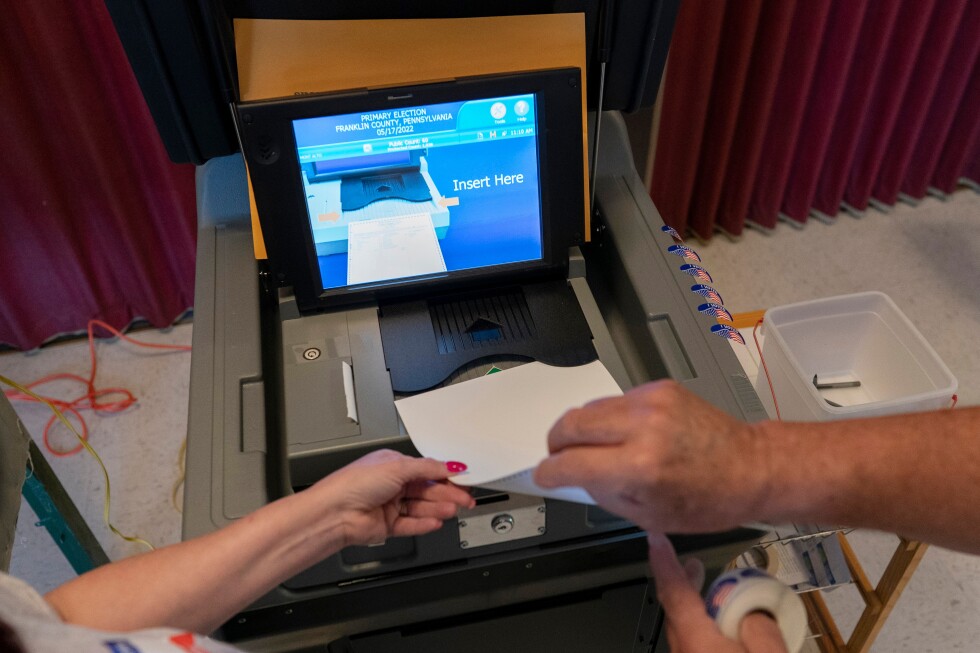
The request for this data originated from Heather Honey, who sought digital copies from the 2020 presidential election in Lycoming County. The county’s elections director had initially denied this request, arguing that it would be akin to examining the contents of a ballot box, vote by vote. Cast vote records are generated when votes are cast electronically or through scanned ballots.
Under Pennsylvania election law, there is broad public access to election records at the county level. However, the contents of ballot boxes, voting machines, and records of assisted voters are exempt. Lycoming Voter Services had contended that their scanners and tabulators should be classified as voting machines, and thus the cast vote records should be considered as contents of ballot boxes.
After Honey’s involvement, three Williamsport area residents, including a local businessman, a retired state trooper, and Republican state Rep. Joe Hamm, continued the legal battle. Their attorney, Thomas Breth, emphasized the significance of accessing this data for both reviewing the contentious 2020 election and enhancing future election integrity in Pennsylvania.
Lycoming elections chief Forrest Lehman expressed confidence that the randomized data in these records would not compromise voter privacy, affirming his readiness to provide the data upon request. “The court made its decision, and anybody who wants it can have at it,” Lehman stated.
The justices clarified that cast vote records are essentially spreadsheets derived from the cast ballots and do not represent the physical ballots themselves. As such, they ruled these records to be public, stating, “This interpretation does not destroy the secrecy of the vote any more than a tally of all votes from a specific election.”
While the court’s decision specifically addressed the situation in Lycoming County, Justice Daniel McCaffery noted that data randomization practices might vary in other counties. He acknowledged that the court had not addressed whether the Election Code mandates disclosure of cast vote records that could potentially link ballots with personal identifiers. However, Breth dismissed concerns about voter identity exposure, citing existing state election equipment standards that include protective measures.
For more detailed information, visit the AP News article and explore further insights on the 2020 presidential election and the Lycoming County case.