The recent Supreme Court decision carries significant implications for thousands of immigrants, potentially altering the lives of many who have called the United States home for decades. As the Trump administration’s stance on Temporary Protected Status (TPS) takes center stage, immigrants from multiple countries face uncertain futures.
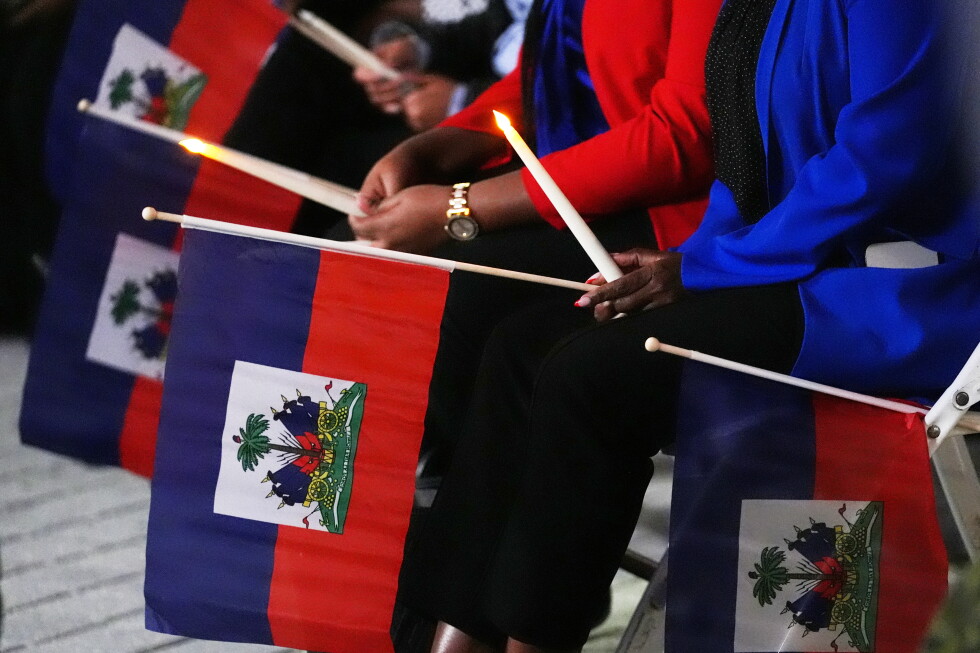
The ruling permits the Trump administration to terminate temporary legal protections for immigrants from Haiti and Syria, directly affecting around 350,000 Haitians and 6,000 Syrians. This development could serve as a harbinger for approximately 1.3 million individuals from 17 other countries reliant on TPS. Many of these immigrants have established roots in the U.S., building families and careers.
The Role of Venezuelans in TPS
Established in 1990, TPS was designed to prevent deportations to nations experiencing significant turmoil, such as natural disasters or conflicts. During Trump’s presidency, Venezuelans became the largest group of TPS beneficiaries, followed by Haitians and Salvadorans. TPS eligibility requires continuous U.S. presence since the designation date, with possible extensions by the Department of Homeland Security (DHS) for up to 18 months at a time.
The Trump administration contends that past TPS designations resulted in inadequate vetting and claims that certain countries are now safe for return. The administration has already rescinded TPS for about 1 million individuals from 13 countries, including 650,000 Venezuelans and 50,000 Hondurans. Upcoming decisions will impact 200,000 Salvadorans and 100,000 Ukrainians as their protections near expiration. Additional countries with smaller TPS numbers include Afghanistan, Myanmar, Cameroon, Ethiopia, Lebanon, Nicaragua, Somalia, South Sudan, and Yemen.
Consequences Beyond Haiti and Syria
Many affected by the termination of TPS under the Trump administration have filed lawsuits, with numerous cases still active. The Supreme Court’s 6-3 conservative majority upheld the administration’s stance that DHS holds exclusive authority to end TPS, potentially influencing similar cases. Ahilan Arulanantham, an attorney for Syrians, remarked, “The implication of this is that at least most of the claims that have been litigated to challenge this administration’s sort of illegal war on TPS are now foreclosed.”
Despite claims by immigration lawyers that Haiti and Syria remain unsafe, the administration allegedly failed to assess conditions or consult required government agencies. This oversight is argued to be contrary to legal requirements.
Implementation Timeline and Legal Advice
Supreme Court decisions generally come into effect 32 days post-announcement, according to Emi MacLean from the American Civil Liberties Union of Northern California. The ruling will return to lower courts for implementation, likely not before July 27. In this interim, TPS holders from Haiti and Syria can continue working. Arulanantham noted, “In 32 days, everyone from Haiti and from Syria who held their employment authorization through TPS will most likely lose that authorization.”
Legal experts encourage TPS holders to explore alternative legal pathways, such as asylum or employment-based visas, although these options may face governmental hurdles. Those affected may confront a choice between voluntarily returning home or undergoing deportation processes, jeopardizing jobs and family unity.
Advocates urge Congress to provide permanent solutions for TPS beneficiaries. Melissa Keenan, representing Syrian TPS holders, stated, “We also call on Congress to immediately restore these vital humanitarian protections that the TPS program represents for the sake of our clients and TPS holders, their families, and all of our communities.”
Current Conditions in Affected Countries
Representatives for TPS recipients from Haiti and Syria argue that ongoing crises justify continued protections. DHS’s legal duty involves consulting unspecified government agencies like the Department of State, National Security Council, and Department of Justice before TPS designation.
Haitians received TPS following the devastating 2010 earthquake, with extensions granted due to escalating gang violence. Syrians were designated TPS in 2012 amid a prolonged civil war that concluded in late 2024.