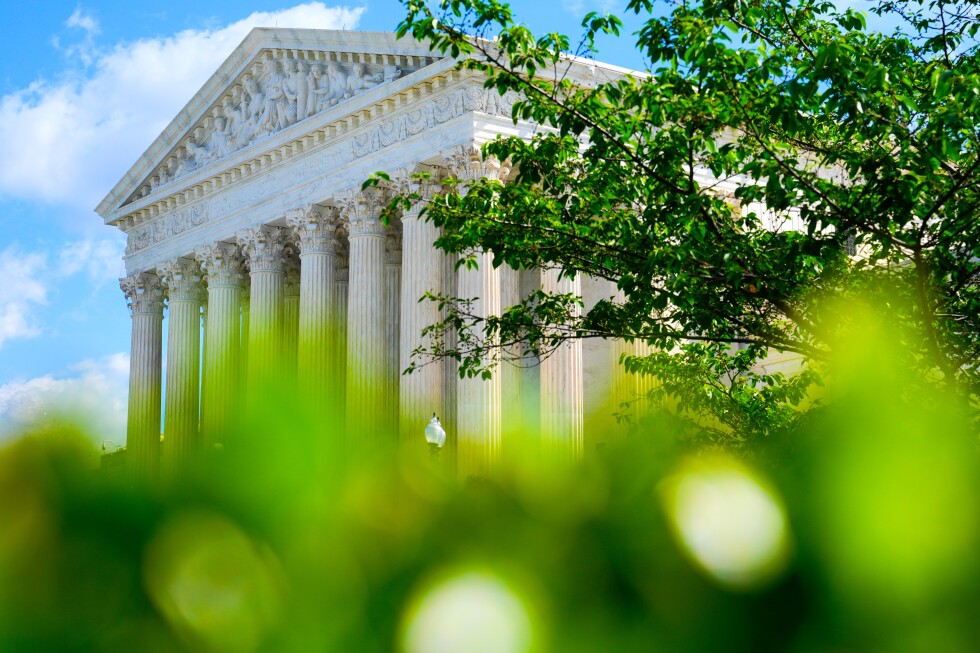
The U.S. Supreme Court has delivered a procedural win to a faith-based pregnancy center, First Choice Women’s Resource Centers, amid concerns over its alleged misleading practices to dissuade abortions. This unanimous decision allows the center to pursue legal action in federal court against New Jersey’s investigation, which the center claims infringes on its First Amendment rights.
Recent years have seen significant victories for abortion opponents from the conservative-majority court, most notably the landmark ruling that overturned the national right to abortion in 2022. Interestingly, First Choice found an ally in the American Civil Liberties Union, which, despite supporting abortion rights, backed the center’s First Amendment concerns.
While the Supreme Court’s decision permits First Choice to challenge a state-issued subpoena in federal court, it does not settle the core dispute. Erin Hawley, a lawyer with the Alliance Defending Freedom, stated that the group is keen to continue the case in federal court if New Jersey’s attorney general chooses to pursue it further.
The rise of “crisis pregnancy centers” across the United States coincides with Republican-led states imposing stricter abortion restrictions and channeling funds to these centers, which focus on prenatal care and encourage women to carry pregnancies to term.
In contrast, several Democratic-leaning states have launched investigations to determine if these centers mislead women, particularly by suggesting they provide abortion services. In New Jersey, former Democratic Attorney General Matthew Platkin issued a subpoena seeking donor lists and other data from First Choice.
First Choice contended that the investigation lacked merit and that disclosing donor lists threatened their rights to free speech and association. An initial attempt to contest the subpoena in federal court was dismissed as premature, a decision upheld by an appeals court.
Undeterred, First Choice appealed to the Supreme Court, arguing that access to federal court is crucial when state power is allegedly abused. The ACLU echoed concerns that subpoenas demanding donor information could deter potential supporters.
The state of New Jersey defended its actions by stating the information would solely help determine if donors were misled about the center’s services. Additionally, since First Choice had not been compelled to provide any information, the state argued that the subpoena did not infringe on First Amendment rights. Negotiations between both parties have been ordered by the overseeing judge, as a court order is necessary to enforce the subpoena.
New Jersey also cautioned that allowing First Choice to sue might result in numerous lawsuits from businesses facing similar subpoenas. The Trump administration, however, supported First Choice, with the Justice Department suggesting that the ruling’s impact would be minimal, affecting only cases involving similar First Amendment claims.