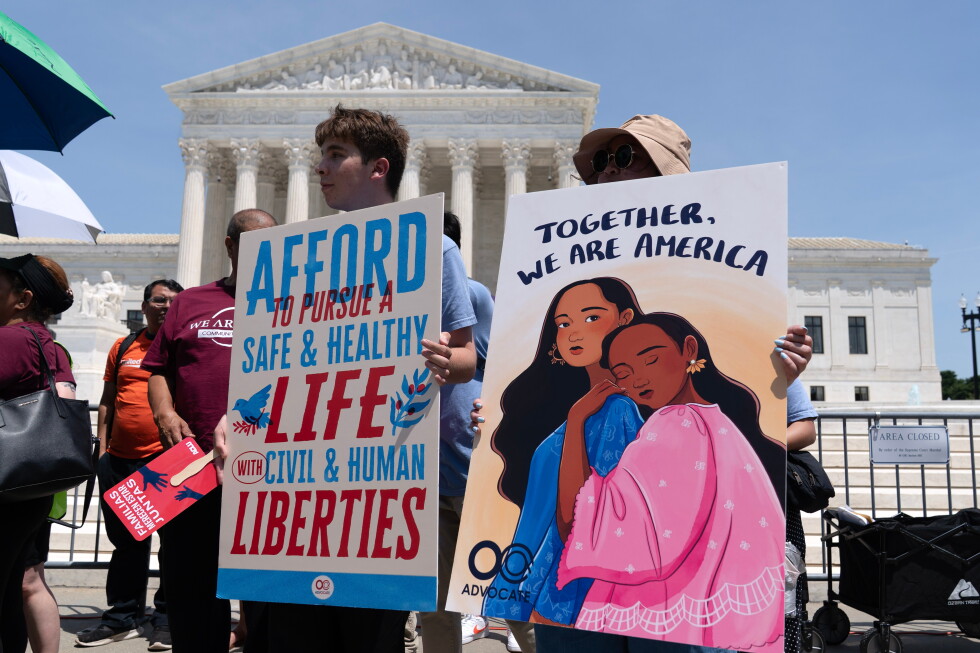
In a year marked by significant Supreme Court decisions, President Donald Trump faced both setbacks and triumphs. His attempts to influence major issues like tariffs, birthright citizenship, and the potential dismissal of Federal Reserve governor Lisa Cook did not yield the results he sought. However, the term also saw a consolidation of presidential power in other areas.
Expanded Presidential Authority Over Regulatory Agencies
The Supreme Court’s recent decision has granted the president greater control over independent regulatory agencies, allowing the firing of agency leaders without cause, a shift from previous norms requiring negligence as a reason for dismissal. This ruling raises questions about the future independence of agencies originally designed to operate separately from executive influence.
Despite this empowerment, the Federal Reserve remains outside of this expanded reach. Cook continues to hold her position while contesting efforts to remove her, underscoring the unique status of the Fed’s leadership in comparison to other agencies.
Significant Changes to the Voting Rights Act
The Supreme Court has continued to limit the scope of the 1965 Voting Rights Act, a landmark law that facilitated minority voter participation and representation. Recent decisions have made it increasingly difficult for minority groups to contest electoral district changes unless intentional racial discrimination is proven.
This aligns with Trump’s agenda to redraw districts to maintain Republican dominance, with states like Alabama, Louisiana, and Tennessee reducing Black-majority districts following the court’s guidance.
Immigration Policies Gain Traction
The Trump administration secured key victories in immigration policy, with the Supreme Court upholding the end of deportation protections for certain groups and endorsing stricter asylum-seeking measures at the southern border. However, the push to limit birthright citizenship through executive order was curtailed by a majority of justices.
While the administration’s interpretation of the 14th Amendment found some support, it ultimately did not prevail in court.
Controversial Racial and Religious Statements
The court’s conservative majority has often sidestepped President Trump’s inflammatory remarks, a practice critics label as “sanewashing.” In cases involving racial and religious implications, justices have sometimes offered neutral interpretations of Trump’s statements, sparking debate over the impact of such rhetoric on legal proceedings.
Notably, in decisions affecting Haitian migrants, justices diverged sharply on the influence of racial elements in Trump’s policies.
Trade Tariffs and Judicial Pushback
Trump faced a legal roadblock when the Supreme Court ruled against his attempt to impose global tariffs without congressional approval. Despite this, he has continued to explore other avenues to implement tariffs, with some still in effect despite ongoing challenges.
Incremental Advances in Gun Rights
The Supreme Court has reinforced Second Amendment rights through recent decisions, including rejecting restrictions on firearm ownership for cannabis users and invalidating a Hawaii law on carrying guns in public spaces. These rulings continue the court’s trend of expanding gun rights, as seen in a pivotal 2022 decision.
The court is also set to address the legality of state and local bans on semiautomatic rifles, a case that could further define the scope of gun rights in the United States.