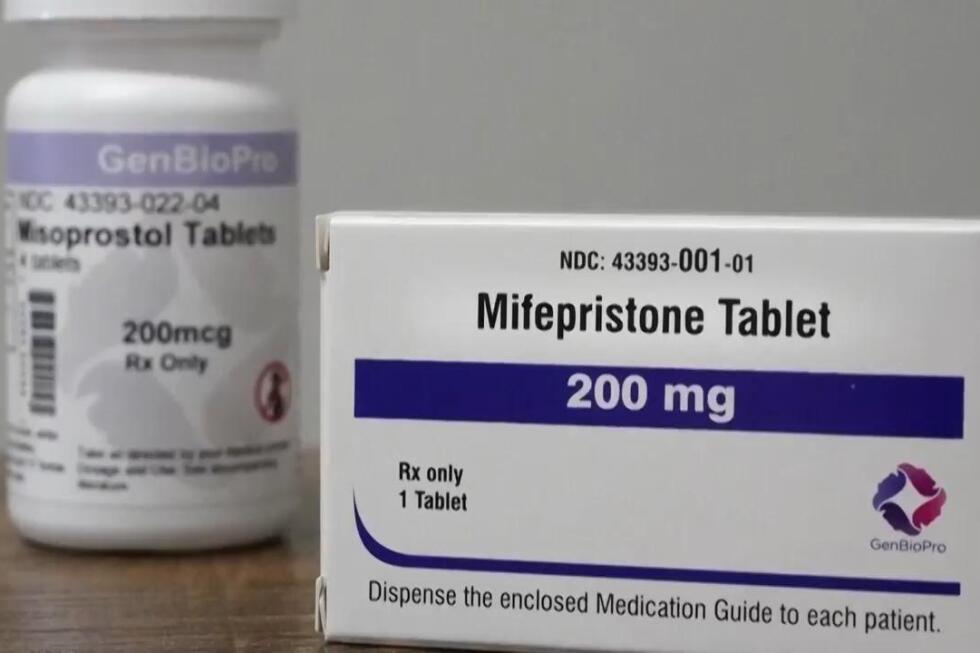
The Battle Over Mifepristone: Supreme Court Intervention Sought
In a significant legal development, the manufacturer of the popular abortion pill mifepristone has approached the Supreme Court for an injunction against a recent appellate court decision. This ruling has sparked concerns as it potentially removes the option for mail-order distribution of the medication, a method that has seen widespread use and has been critical during the COVID-19 pandemic.
The appellate court’s decision, if left unchallenged, could lead to substantial changes in how mifepristone is accessed by patients across the country. The company behind the pill argues that the restriction could significantly limit access to reproductive healthcare, disproportionately affecting those in remote or underserved areas who rely on mail-order services.
Currently, mifepristone is part of a two-drug regimen used for medication abortions, approved by the Food and Drug Administration (FDA) over two decades ago. The ability to receive this medication via mail order has been an essential component of expanding access to abortion services, especially in areas where clinics are sparse.
The request to the Supreme Court highlights the ongoing legal battles over reproductive rights and the regulatory frameworks governing medication access. As the case progresses, it could set important precedents for how pharmaceutical distribution is regulated, particularly concerning reproductive health drugs.
The outcome of this case is being closely watched by both proponents and opponents of abortion rights, as it could have far-reaching implications beyond the immediate issue of mail-order restrictions. The legal, social, and political ramifications underscore the contentious nature of reproductive healthcare in the United States today.