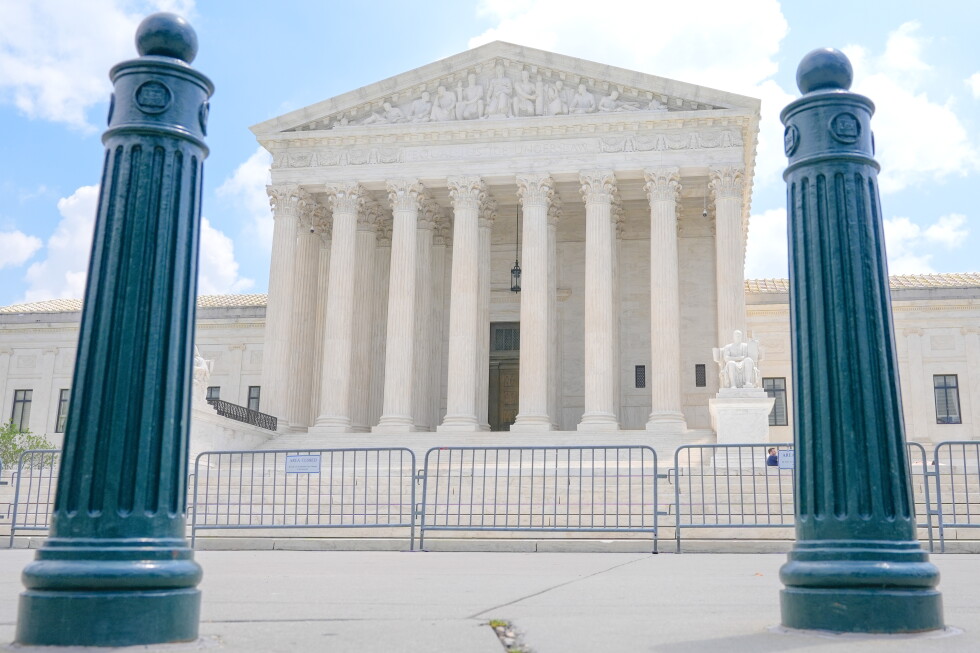
The recent Supreme Court decision has sparked significant discussion as it upholds state laws that prevent transgender girls and women from participating in school sports teams that match their gender identity. This ruling marks another pivotal moment for transgender rights in the United States.
The court’s conservative majority, comprised of six justices, supported the legislation from Idaho and West Virginia, determining that these laws do not breach the U.S. Constitution. Furthermore, the decision asserts that these bans do not infringe upon Title IX, the federal statute that prohibits sex-based discrimination in education. Justice Brett Kavanaugh articulated, “states may maintain women’s and girls’ sports for biological females” citing concerns over fairness and safety.
The ruling is likely to influence over two dozen other states with Republican leadership that have enacted similar bans on transgender female athletes. However, legal challenges remain in states like Connecticut and California, where regulations allow transgender athletes to compete in alignment with their gender identity.
Justice Sonia Sotomayor expressed her disagreement with the ruling, emphasizing the unsettled nature of scientific evidence on whether transgender athletes pose any competitive threats. She noted, “We just simply do not know scientifically that transgender students pose dangers,” as part of her dissent, which was supported by the court’s liberal justices.
Becky Pepper-Jackson, a 16-year-old from West Virginia, stands at the center of this controversy. Identified as a girl since age 8 and recognized as such on her birth certificate, Pepper-Jackson has shown athletic prowess, progressing from a novice to a state champion in shot put. Her case highlights the personal impact of such laws.
Idaho’s legislation, challenged by Lindsay Hecox who sought to join Boise State University’s track team, has been defended on grounds of ensuring fair competition. Idaho’s Solicitor General, Alan Hurst, argued the necessity of distinguishing between male and female athletes for the sake of equity.
The decision has elicited varied responses from prominent athletes. Supporters of the bans include tennis legend Martina Navratilova and Olympic medalists Summer Sanders and Donna de Varona. Conversely, athletes like Megan Rapinoe and Sue Bird have voiced their support for transgender inclusion in sports.
While this ruling reflects the ongoing complexities surrounding transgender rights, it follows a 2020 Supreme Court decision that recognized the protection of LGBTQ individuals under federal civil rights laws against workplace discrimination. Despite this, the same logic was not applied to challenges against bans on gender-affirming care for minors in subsequent cases.
Public sentiment, as captured by a recent poll, shows a general favorability toward sports participation restrictions based on birth-assigned sex, with 60% of Americans supporting such measures.
For further details on the Supreme Court’s activities, visit the Supreme Court coverage.