The Complexity of Pride: Navigating Identity Within the LGBTQ and Black Communities
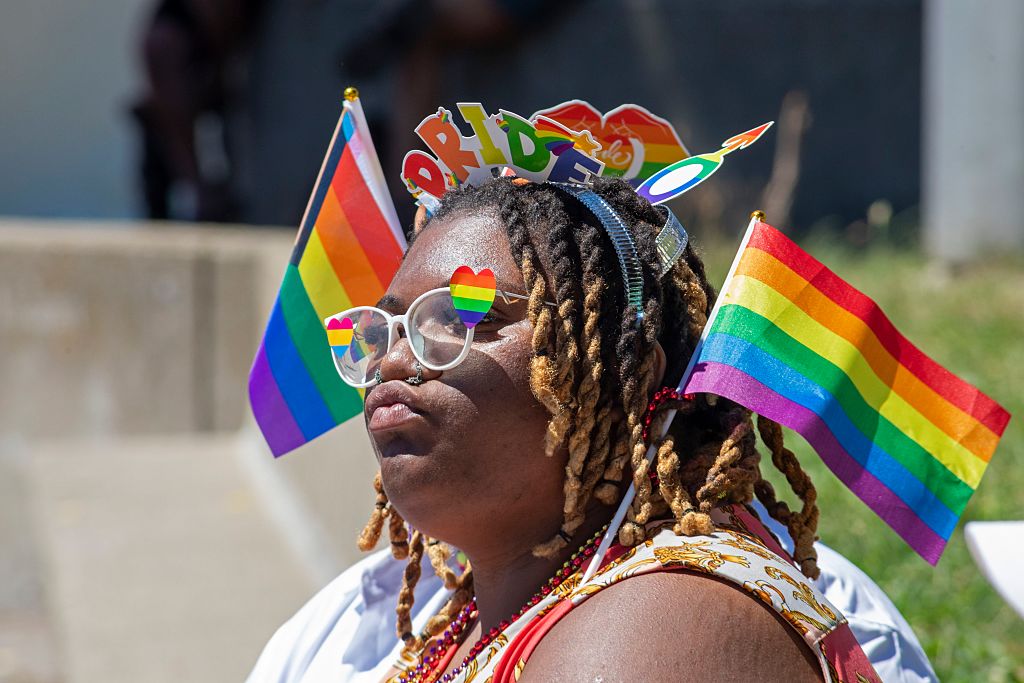
As June heralds the arrival of Pride Month, the vibrant celebrations that paint cities with rainbows are often marked by a deeper struggle for many within the LGBTQ community. For Black LGBTQ individuals, Pride Month represents a complex intersection of identity where their experiences are often overshadowed by dominant narratives.
Black LGBTQ participants frequently find themselves sidelined in the broader narratives of both the LGBTQ and Black communities. Despite contributing significantly to both movements, their intersectional identities are often marginalized, leaving them “last in line” for recognition and rights.
The Overlooked Contributions of Black LGBTQ Leaders
Bayard Rustin, a pivotal figure in the 1963 March on Washington, exemplifies the erasure faced by Black LGBTQ individuals. His instrumental role in orchestrating one of the largest demonstrations in U.S. history was overshadowed by his identity as a gay man. Segregationist Strom Thurmond’s attacks on Rustin’s sexuality before the march highlight the societal challenges faced by Black LGBTQ leaders (source).
Similarly, Pauli Murray’s foundational legal work in Brown v. Board of Education was pivotal, yet her struggles with gender identity relegated her to the fringes of the civil rights movement (source).
The Role of the Black Church and Community Attitudes
The Black church, a cornerstone in the fight against systemic racism, has historically been resistant to LGBTQ acceptance. According to the Pew Research Center, a significant portion of Black Americans view homosexuality as sinful, further complicating the acceptance of LGBTQ identities within the community (source).
Within their own communities, Black LGBTQ individuals often face the expectation to prioritize racial struggles over LGBTQ issues, leading to a dual experience of discrimination. A 2024 HRC study revealed that a majority have experienced both homophobia within the Black community and racism within the LGBTQ community (source).
Economic and Social Disparities
Economic justice remains a critical issue for Black LGBTQ individuals. While gay men, particularly white, often enjoy economic advantages, Black Trans Americans face dire economic challenges, with a significant portion living in poverty and experiencing unemployment at rates higher than the general Black population (source).
The AIDS crisis further exemplifies the disparities, as Black gay men in the South continue to battle high mortality rates, exacerbated by limited access to healthcare (source).
Moving Beyond Single-Issue Advocacy
Legal scholar Kimberlé Crenshaw’s concept of intersectionality underscores the need to consider overlapping identities in advocacy efforts. Focusing on singular aspects of identity fails to address the multifaceted discrimination faced by individuals like Black LGBTQ people (source).
Audre Lorde’s assertion that “there can be no hierarchies of oppression” calls for a unified approach to liberation, one that does not require individuals to choose between their identities (source).
As Pride Month unfolds, the need to embrace and address the unique challenges faced by Black LGBTQ individuals remains urgent. The call for inclusive advocacy that recognizes and supports the entirety of their identities is a step toward achieving true equality and justice.
SEE ALSO:
Pride Is Still Protest: World Pride in the Era of Trump 2.0
Corporate Sponsors Have Us Asking: Where’s The Pride?