Supported by Catena Foundation
Trump’s Directive on Nuclear Testing Sparks Concerns
The recent directive from former President Donald Trump has sent ripples through the Western regions, as he instructed the Defense Department to “immediately begin” nuclear weapons testing. This announcement, made via his Truth Social platform while abroad, has left many seeking further details, yet the Pentagon remains reticent, pointing only to the original post.
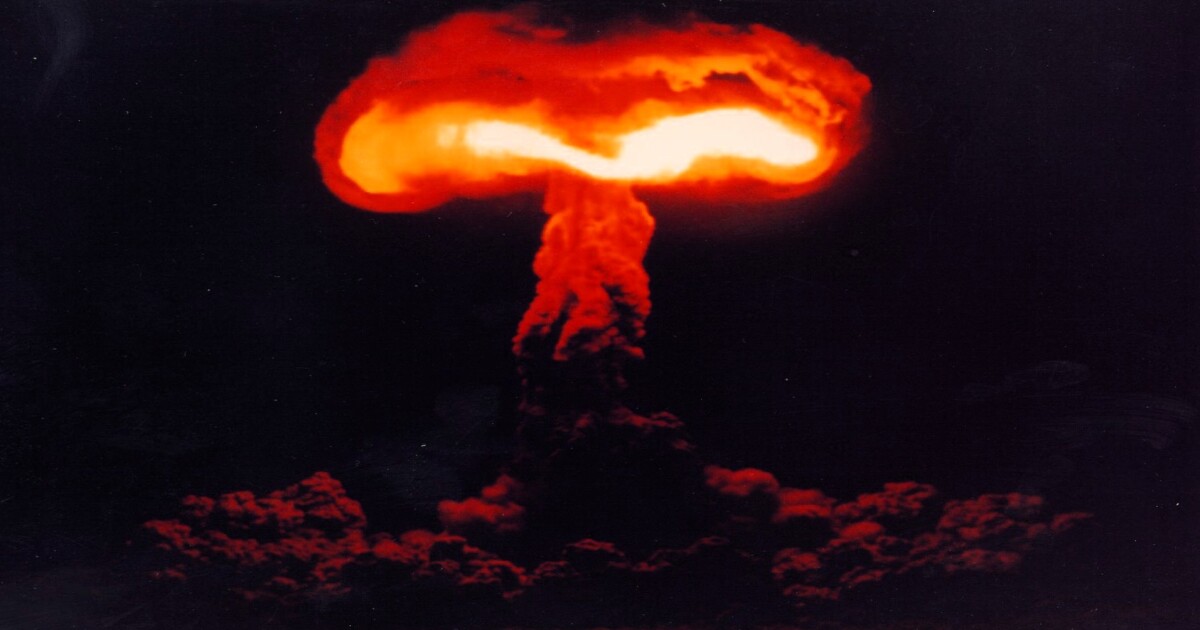
Historically, the United States has conducted over 1,000 nuclear tests, primarily at the Nevada Test Site, with numerous tests conducted above ground before a congressional moratorium in 1992. The potential resumption of these tests has raised alarms among experts and advocacy groups.
Daryl Kimball, executive director of the Arms Control Association, commented, “We can’t fully rule it out, that would be extremely provocative.” He emphasized that, aside from North Korea, no other nation has conducted nuclear test explosions in the 21st century.
The U.S. had earlier agreed to the Test Ban Treaty of 1963 with the Soviet Union and Great Britain, which banned nuclear tests in the atmosphere, outer space, and underwater, though underground tests were not included.
Kimball argued against the need for renewed testing, stating, “Believing there’s no technical or military need to resume testing,” and warned that such actions could ignite a new arms race with nations like Russia and China. He expressed concerns over the potential resumption’s implications, especially for those affected by past testing, labeling it a “disrespectful slap in the face.”
Former Navajo uranium miner and Vietnam veteran Leslie Begay echoed these sentiments. A cancer survivor who underwent a double lung transplant, Begay described his experiences, saying, “That was the hardest thing I ever encountered.” He warned of the health challenges future generations might face due to radiation exposure.
In response to these concerns, Congress revived financial compensation for victims of radiation exposure, including uranium miners and downwinders, as part of what Trump termed “One Big Beautiful Bill.”
For further information, visit KJZZ.