Controversial Troop Deployments and the Legal Quagmire
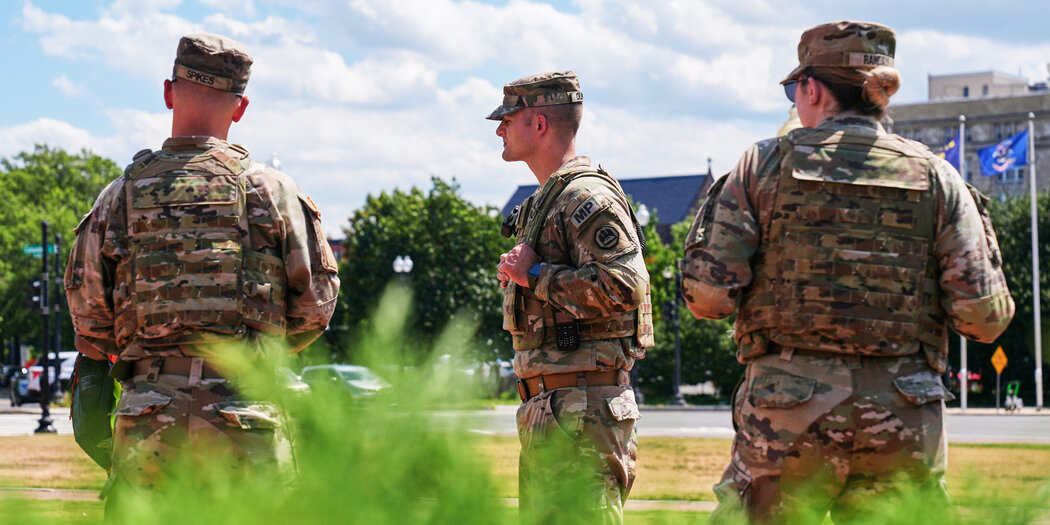
In a move that has sparked significant debate, President Trump has threatened to send military troops to Chicago, with New York City potentially in line as well. This follows the deployment of armed National Guard regiments in Washington, DC, and Los Angeles earlier this summer.
The decision to use out-of-state troops to address urban issues raises legal and constitutional questions, particularly concerning state sovereignty. Such actions are reminiscent of historical instances of federal overreach, but are largely unprecedented in modern times. Public safety remains a priority, yet the approach has been criticized as a misuse of power.
Legal expert Liza Goitein explains the complexities: “Trump is on even thinner legal ice with this plan than he is in Los Angeles and DC. Unlike in the capital, the president doesn’t command the Illinois National Guard unless he calls them into federal service (i.e., ‘federalizes’ them).” The legal basis for federalizing the Guard in this manner is unclear, especially in response to violent street crime, which falls under state jurisdiction.
In contrast to federal law, which includes immigration enforcement, the crimes cited in Chicago are largely local matters. The Insurrection Act allows troop deployment in specific federal or civil rights contexts, but it does not appear applicable here.
Furthermore, the president cannot compel governors to deploy their National Guard forces into other states without consent. Such deployments would require federalization, for which there is no statutory authority in these circumstances.
The Pentagon views the Chicago plan as a potential model for other Democratic-led cities, including Baltimore, New York, and Oakland. Critics argue this approach undermines state rights and civil liberties, with Bill Kristol noting a “march toward despotism” in response to the actions.
Illinois Governor JB Pritzker has firmly opposed the deployment, stating, “Do not come to Chicago. You are neither wanted here nor needed here.” Meanwhile, President Trump has denied any dictatorial intentions, despite public concerns.
Governors like Pritzker and New York’s Kathy Hochul may play crucial roles in challenging these actions through legal avenues and public advocacy. The coming months may see significant legal battles and public mobilization in defense of constitutional principles.
As the situation develops, the focus remains on ensuring that state autonomy and public safety are maintained without overstepping federal boundaries.