WNBA Players Confront Social Media Vitriol Amidst Growing Popularity
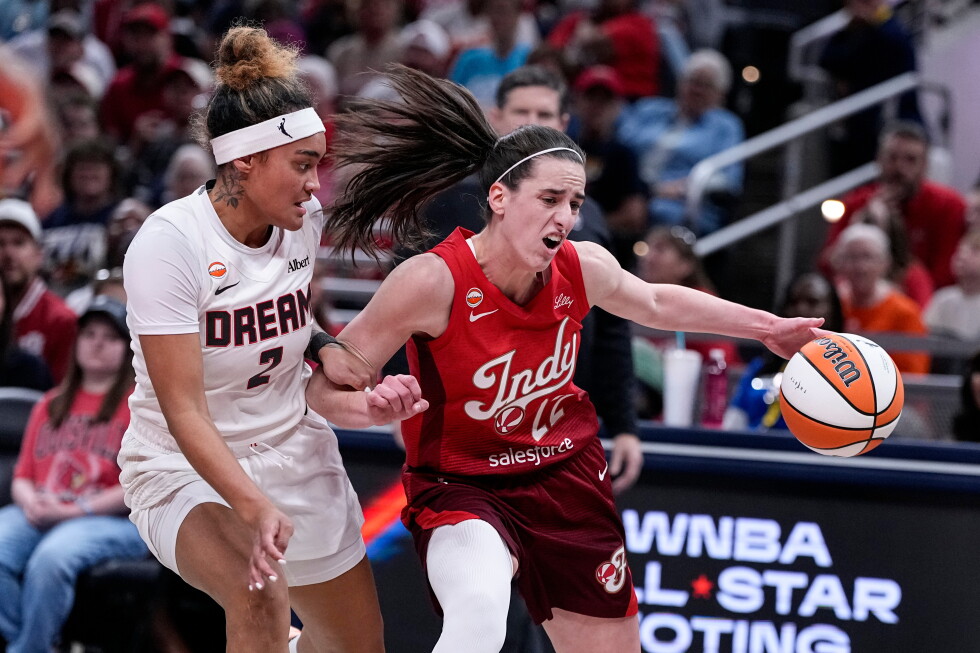
As the Women’s National Basketball Association (WNBA) gains momentum with the addition of star players and lucrative media deals, the league faces an increasing challenge: social media hatred. Caitlin Clark, a prominent player, recently spoke out against the negativity directed at her and fellow league members, emphasizing the need for respect and integrity.
Clark addressed the issue during a practice session, stating, “I’ve said up here and said before, the harassment, the hate, none of that is OK.” She further insisted that such behavior should not be tolerated against any team, player, or coach. The league’s recent rise in popularity, fueled by significant media rights deals and increased attendance, has unfortunately been accompanied by a surge in online hostility.
The phenomenon of social media vitriol is not new to the WNBA, but the intensity has escalated. Players and coaches now frequently face threats related to their on-court activities. Phoenix Mercury forward Alyssa Thomas recently shared her experience of receiving death threats and racial slurs following a controversial game incident with Clark.
In response to these issues, WNBA Commissioner Cathy Engelbert strongly condemned all forms of hate in a statement issued earlier this week.
The league has initiated several strategies to enhance player safety and address online threats. These measures include increased security during travel and at events, as well as the use of artificial intelligence to quickly identify and counteract harmful online interactions.
Despite these efforts, completely eliminating anonymous online attacks remains challenging. Fever coach Stephanie White expressed her concerns during a practice session, highlighting the presence of toxicity and hateful rhetoric online. She stated, “Most of it is coming from the online community… it is absolutely unacceptable.” White, who previously coached Thomas, noted that such negativity is not representative of true WNBA fans.
Addressing the personal impact of these issues, Clark shared her feelings about the online narratives that affect her and her teammates. “It can be really frustrating to me at times and it’s difficult… I have emotions, I have feelings,” she revealed, describing the emotional toll of the constant scrutiny.
To support players in coping with these challenges, the WNBA has expanded access to mental health resources and confidential support. A recent letter from the players’ union emphasized the league’s commitment to player safety and condemned any form of threatening communication.
The letter stated, “Threats, harassment, and especially death threats directed at any player or members of her family are not. It is completely unacceptable and must be unequivocally, publicly and immediately condemned.” Players are encouraged to utilize the security resources available through the league and the WNBPA.
For more coverage on the WNBA, visit AP WNBA.