The Minneapolis Roots of Musical Genius Prince Explored in New Book
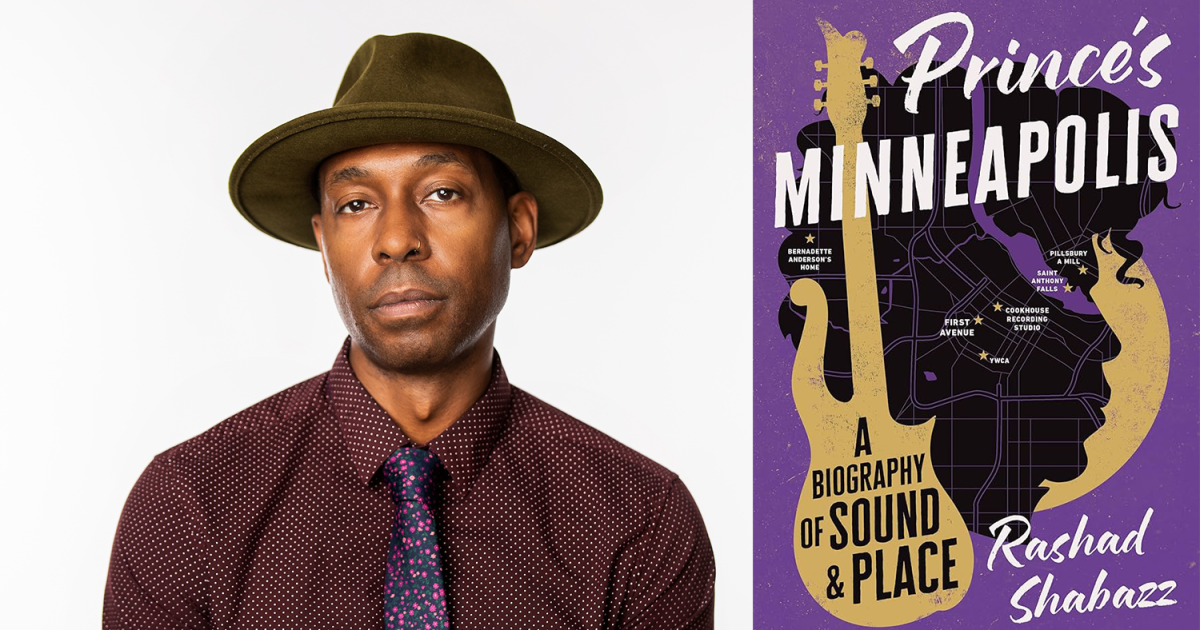
The intricate relationship between iconic musician Prince and his hometown of Minneapolis is brought to light in a new book by Rashad Shabazz, an associate professor at Arizona State University. The book delves into how the city’s unique cultural and demographic changes between 1950 and 1970 laid the groundwork for Prince’s innovative sound.
During this period, Minneapolis witnessed a 436% rise in its Black population, significantly impacting its music scene. While the Black community infused the city with blues and R&B, many white residents were drawn to emerging genres like prog rock and punk. Prince, whose parents were both musicians, stood out for his ability to blend these diverse influences into his renowned genre-defying sound.
The Sound of Minneapolis
Shabazz explains, “He was living in this fractured musical world in Minneapolis, and he was able to synthesize the various sounds that existed in different geographies around the city, all of which were organized around race lines, and to use that to create an innovative, genre-bending sound that continues to have resonance to this day.”
The book also shines a spotlight on crucial figures and venues that shaped the R&B scene of the 50s and 60s. One such venue was King Solomon’s Mines, a nightclub in downtown Minneapolis that broke racial barriers by bringing Black music and audiences to a predominantly white area. Despite its success, the club faced significant pressure due to racial tensions and eventually closed.
“It was a nightclub and music venue in downtown Minneapolis, which for decades had a kind of musical apartheid system where white musicians were the only ones who were able to play down there,” Shabazz recounts. King Solomon’s Mines was among the places that Prince had access to, contributing to the musical landscape from which he drew inspiration.
Family Ties and Musical Evolution
Prince’s father, John Nelson, was a jazz musician who faced challenges as new musical styles emerged. His son’s rise to fame coincided with the decline of traditional jazz, symbolizing a generational shift in the music scene. In Shabazz’s book, John Nelson is quoted saying, “I named him Prince because I wanted him to do everything that I really intended to do,” reflecting both his aspirations and the end of his own musical career.
Shabazz emphasizes the impact of place on Prince’s music, stating that humans are “spatial creatures” influenced by their surroundings. Prince’s ability to draw from the diverse sonic geographies of Minneapolis contributed to his enduring appeal and creativity.
As Shabazz concludes, Prince’s genius is rooted in the diversity of his sound, which seamlessly blends elements of funk, blues, rock, and more. This fusion not only defined his career but also continues to inspire new generations of musicians.
For more insights into the making of this musical icon, listen to the full conversation on KJZZ’s The Show.